Fiber Optic News
Daily fiber optic news, engineering analysis, deployment trends, and practical insights covering broadband, optical networks, components, and emerging applications.

Fiber Optic News Page 2
Daily fiber optic news, engineering analysis, deployment trends, and practical insights covering broadband, optical networks, components, and emerging applications.
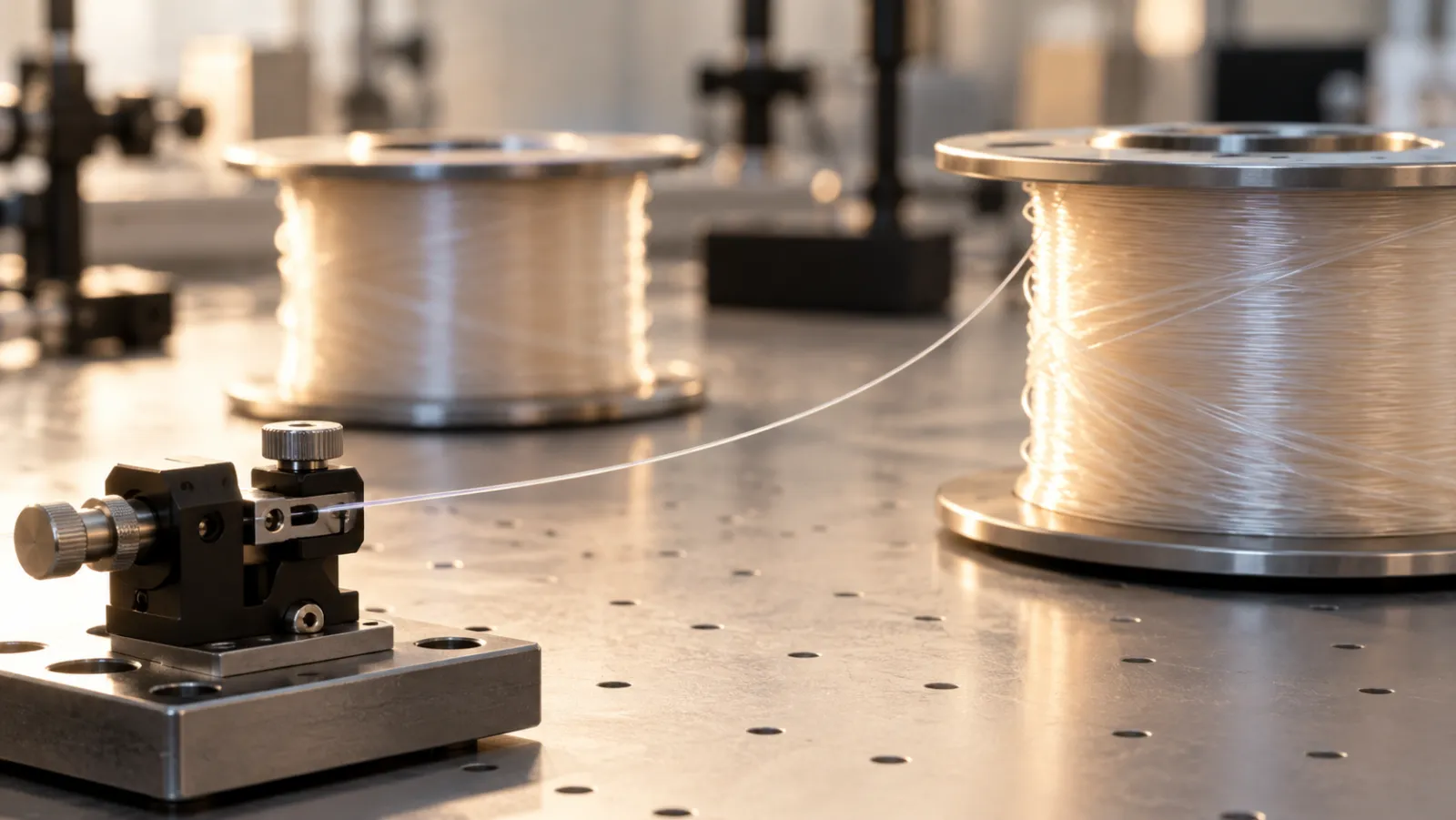
Fiber vs Cable Cutoff Wavelength: A Specification Guide
Distinguish fiber and cable cutoff wavelength, interpret a 1260 nm limit, and check short-link assumptions before approving a fiber specification.

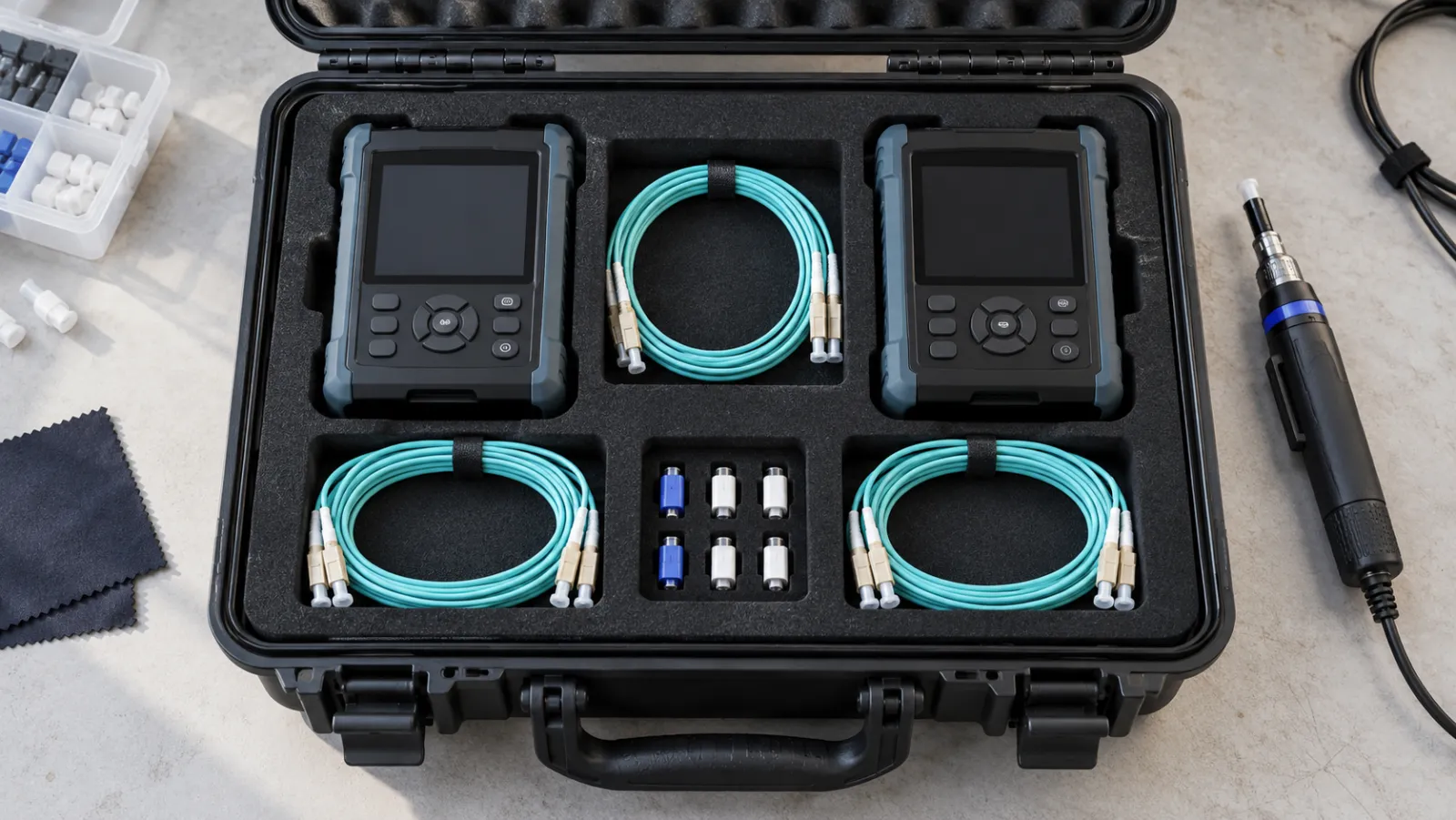
One-, Two- and Three-Cord Fiber Reference Methods Guide
Compare one-, two- and three-cord fiber reference methods, define the measurement boundary, and match loss results to the correct acceptance limit.
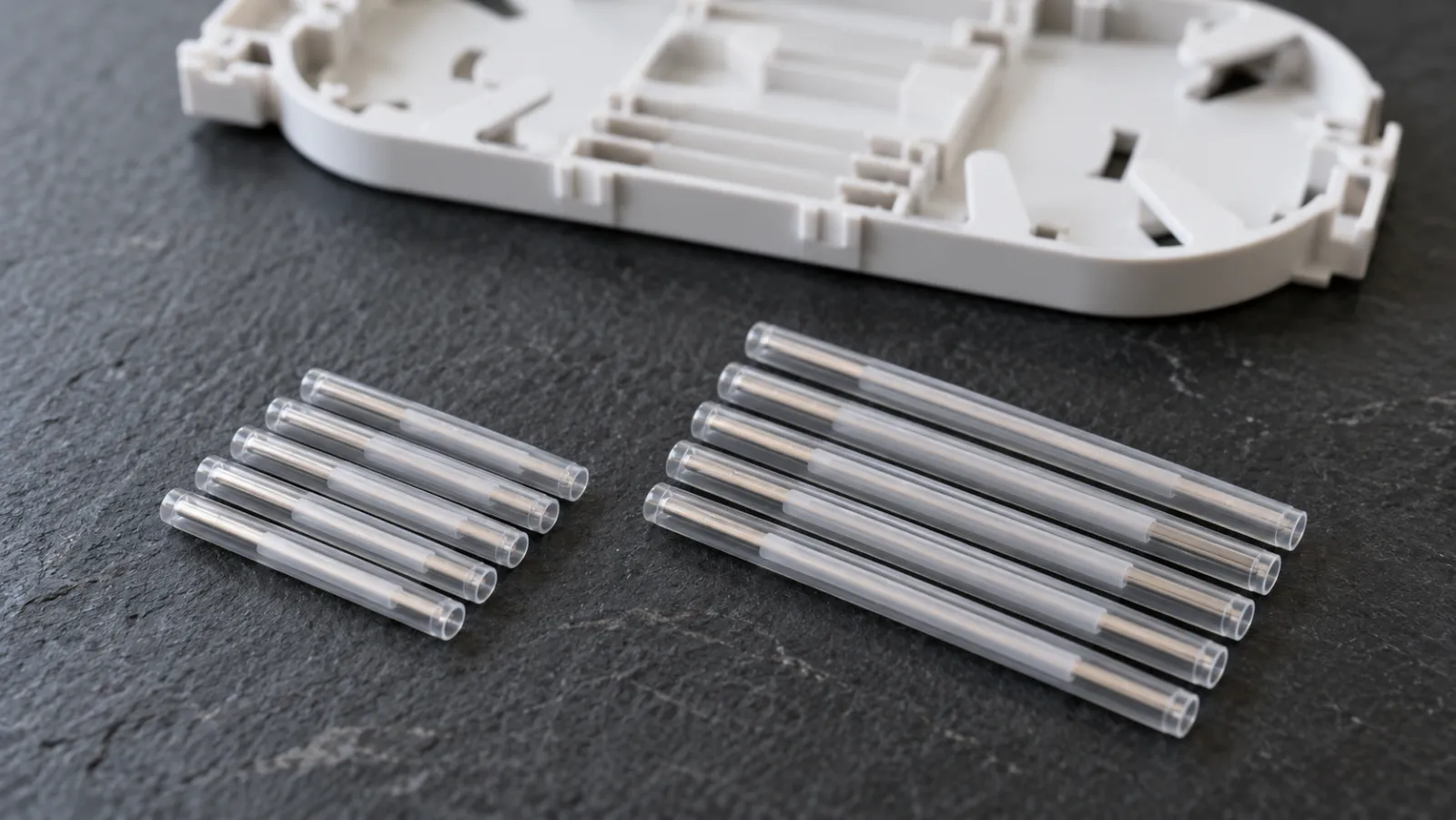
40 mm vs 60 mm Fiber Splice Sleeves: Selection Guide
Select 40 mm or 60 mm fiber splice protection sleeves by checking post-shrink diameter, tray retention, fiber preparation and heater compatibility.
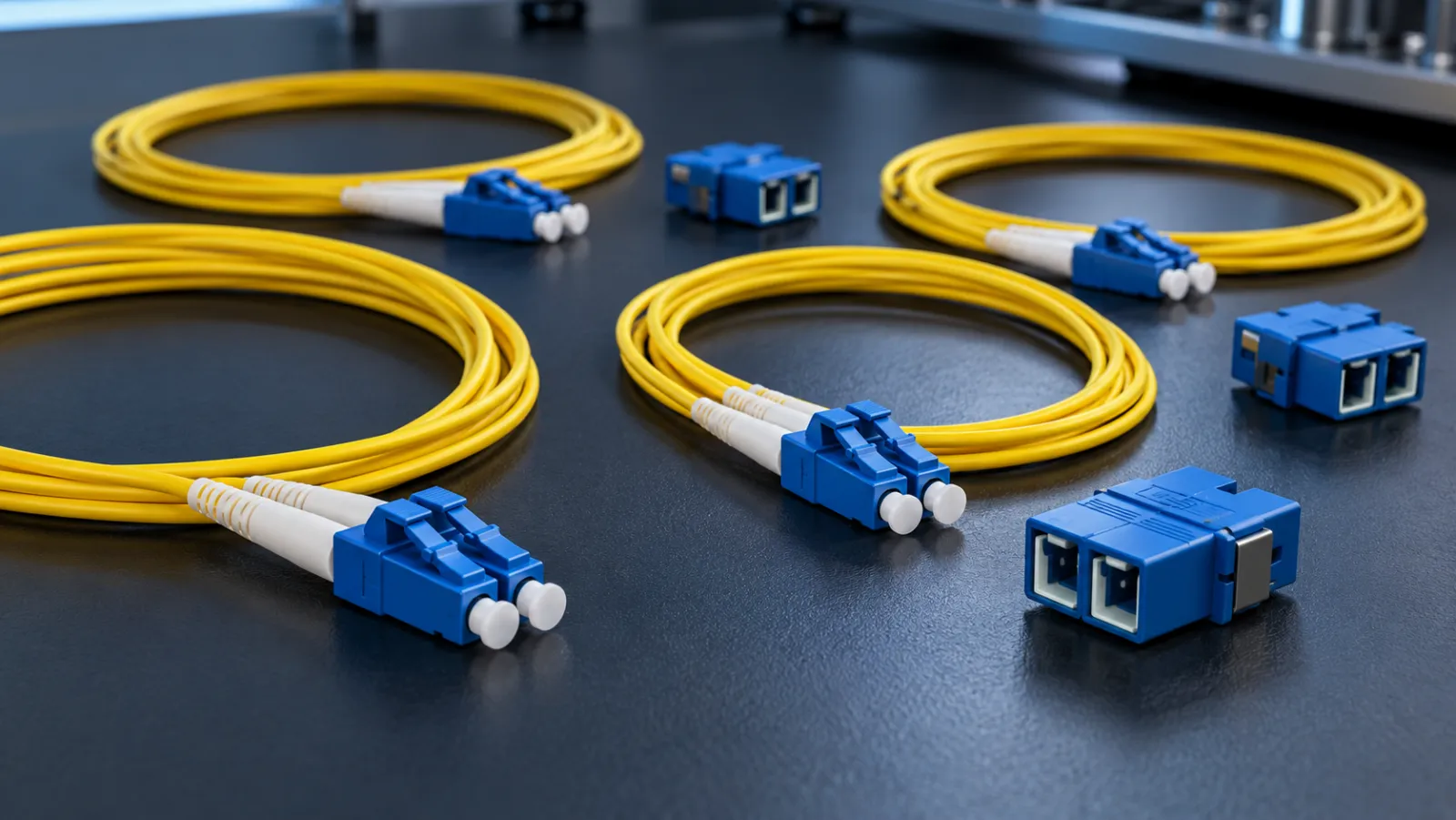
Random Mating vs Master Jumper Loss: Patch Cord Guide
Compare random mating and master jumper insertion loss, read sample distributions, and specify patch cord evidence without confusing test methods.
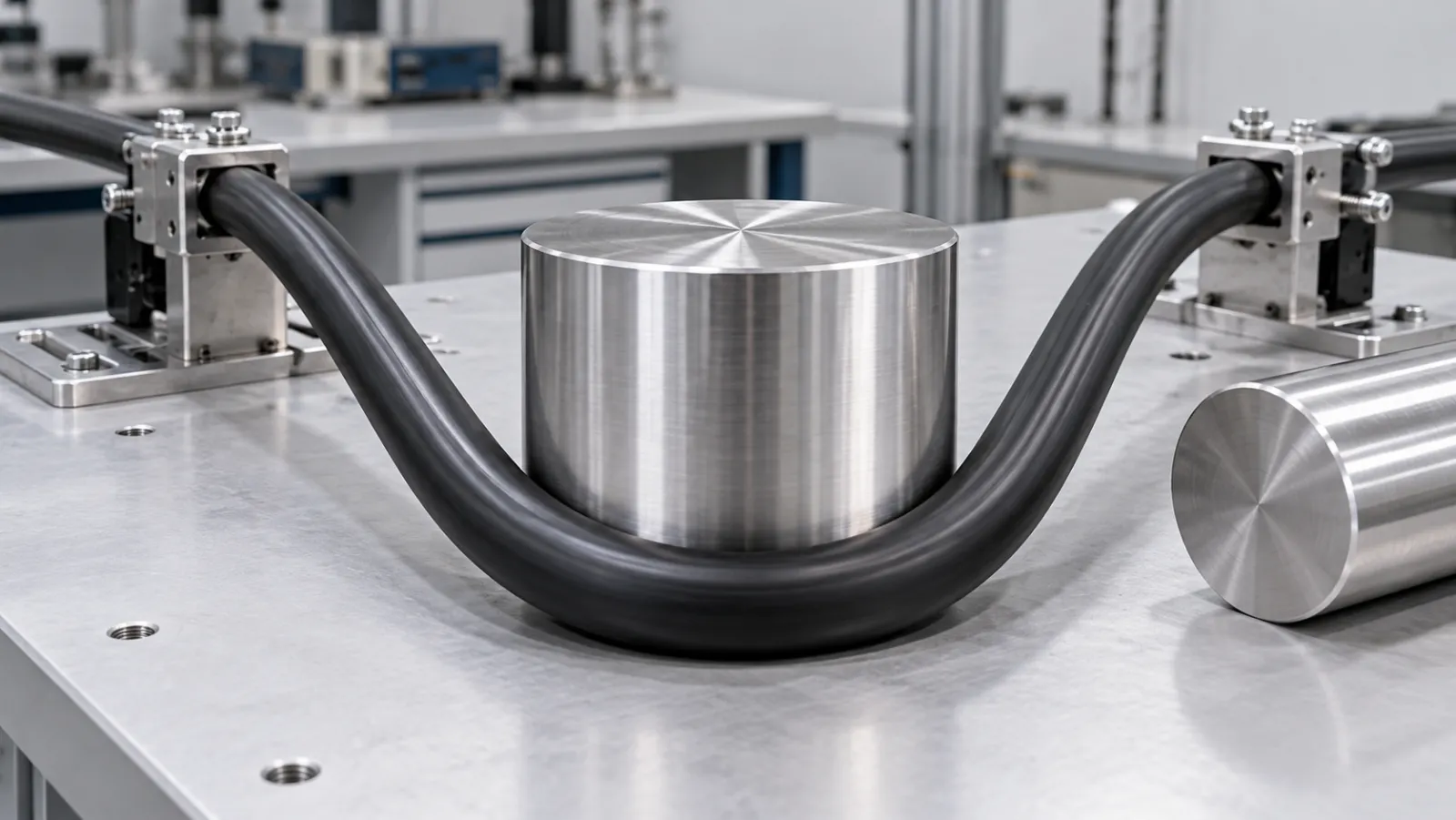
Fiber Cable Repeated Bending Test: An E6 Review Guide
Review a fiber cable repeated bending test by checking the E6 method, radius, cycles, loading and optical acceptance evidence before purchase.
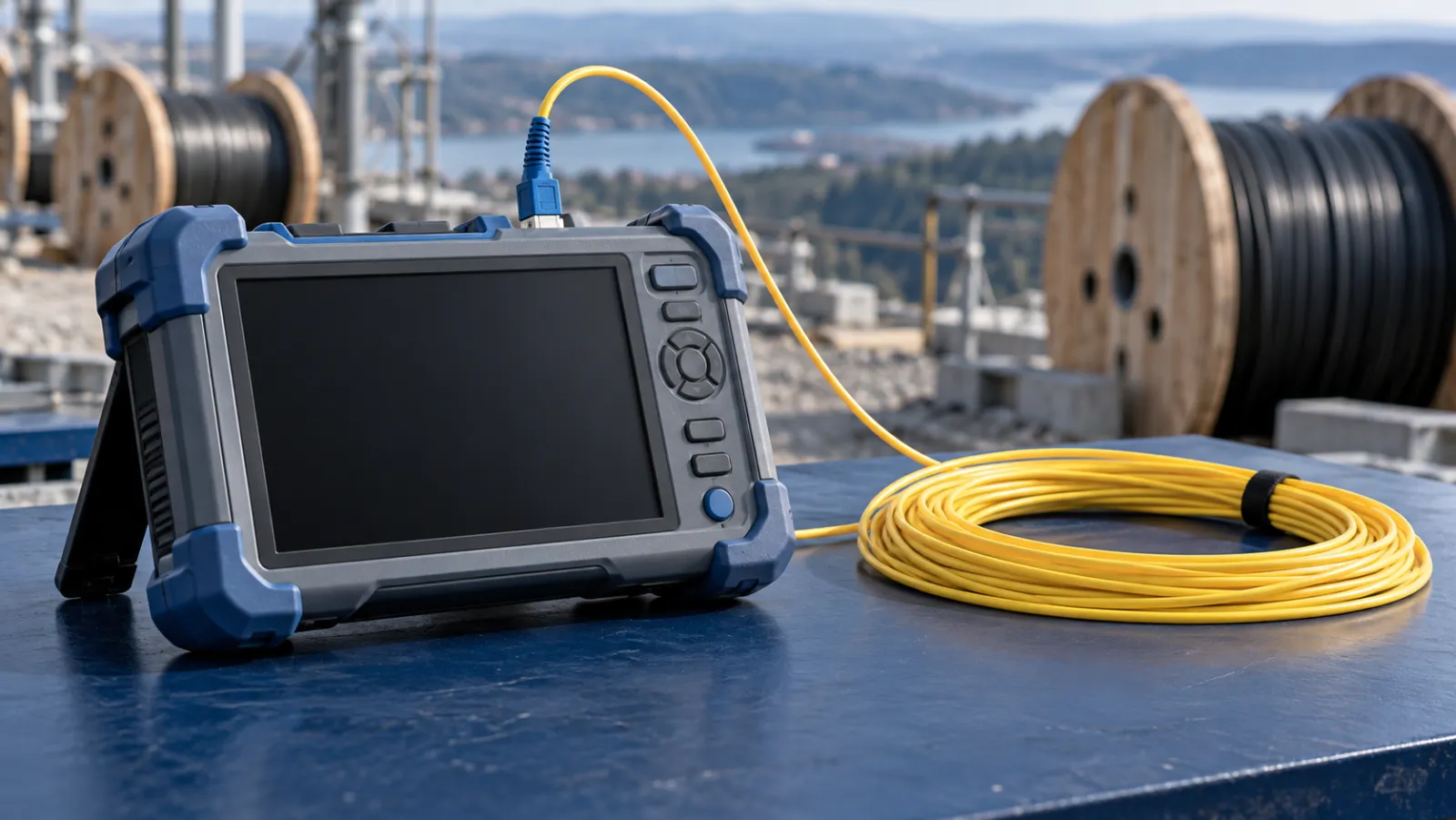
OTDR Dynamic Range vs Distance Range: A Buyer Guide
Compare OTDR dynamic range and distance range using a stated loss-budget example, specification checks and practical demonstration criteria.
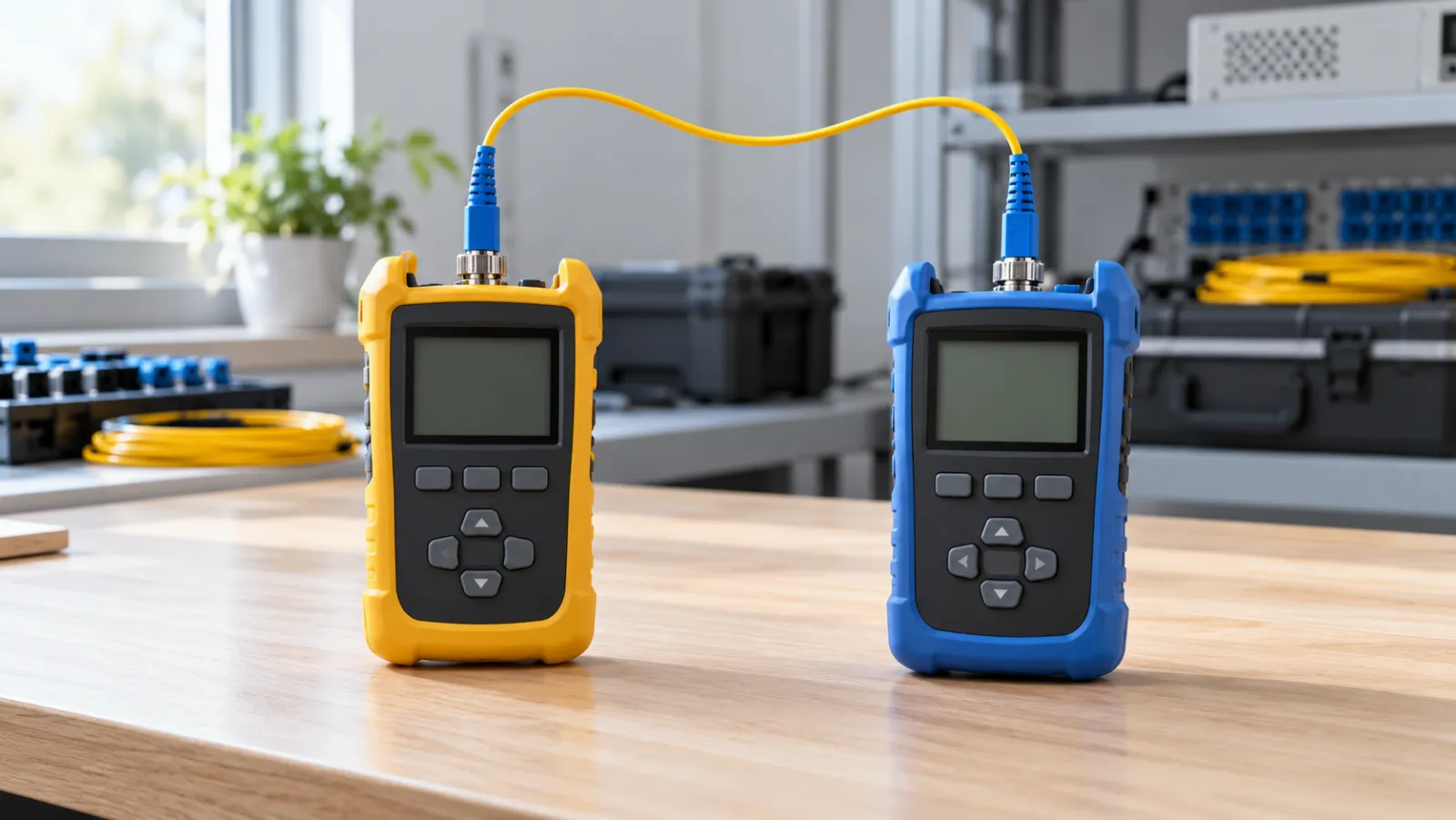
Optical Power Meter Wavelength Setting: Avoid Errors
Set optical power meter wavelength correctly, understand Auto-ID limits, and prevent calibration or reference mismatches from distorting results.
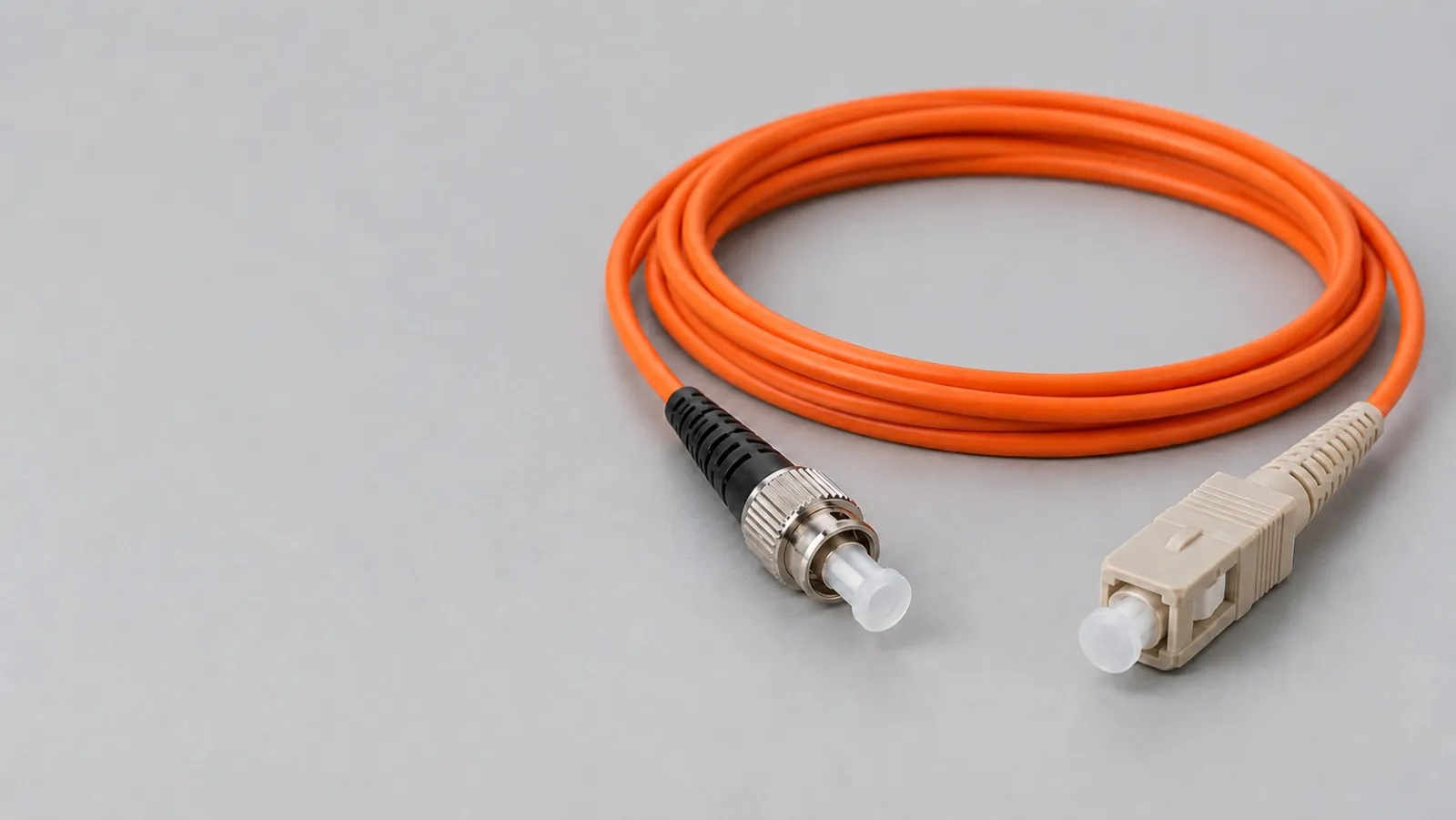
Hybrid Fiber Adapters vs Patch Cords: Selection Guide
Choose a hybrid fiber adapter or patch cord by checking local interfaces, optical junctions, polish compatibility and routing requirements.
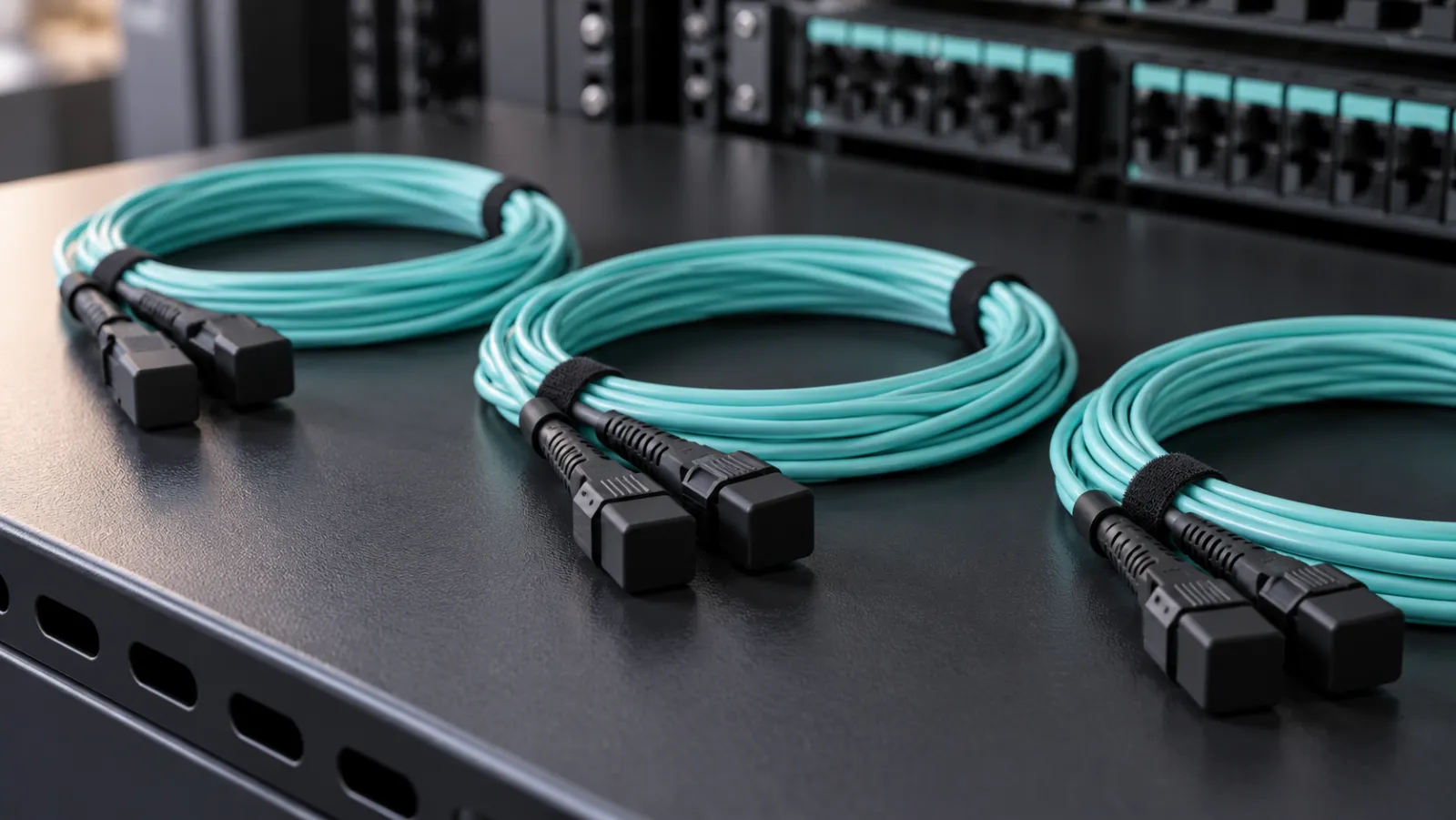
Base-8 vs Base-12 MPO: A Fiber Utilization Worksheet
Compare Base-8 and Base-12 MPO fiber utilization with a 96-fiber worksheet, conversion checks and a practical channel procurement checklist.
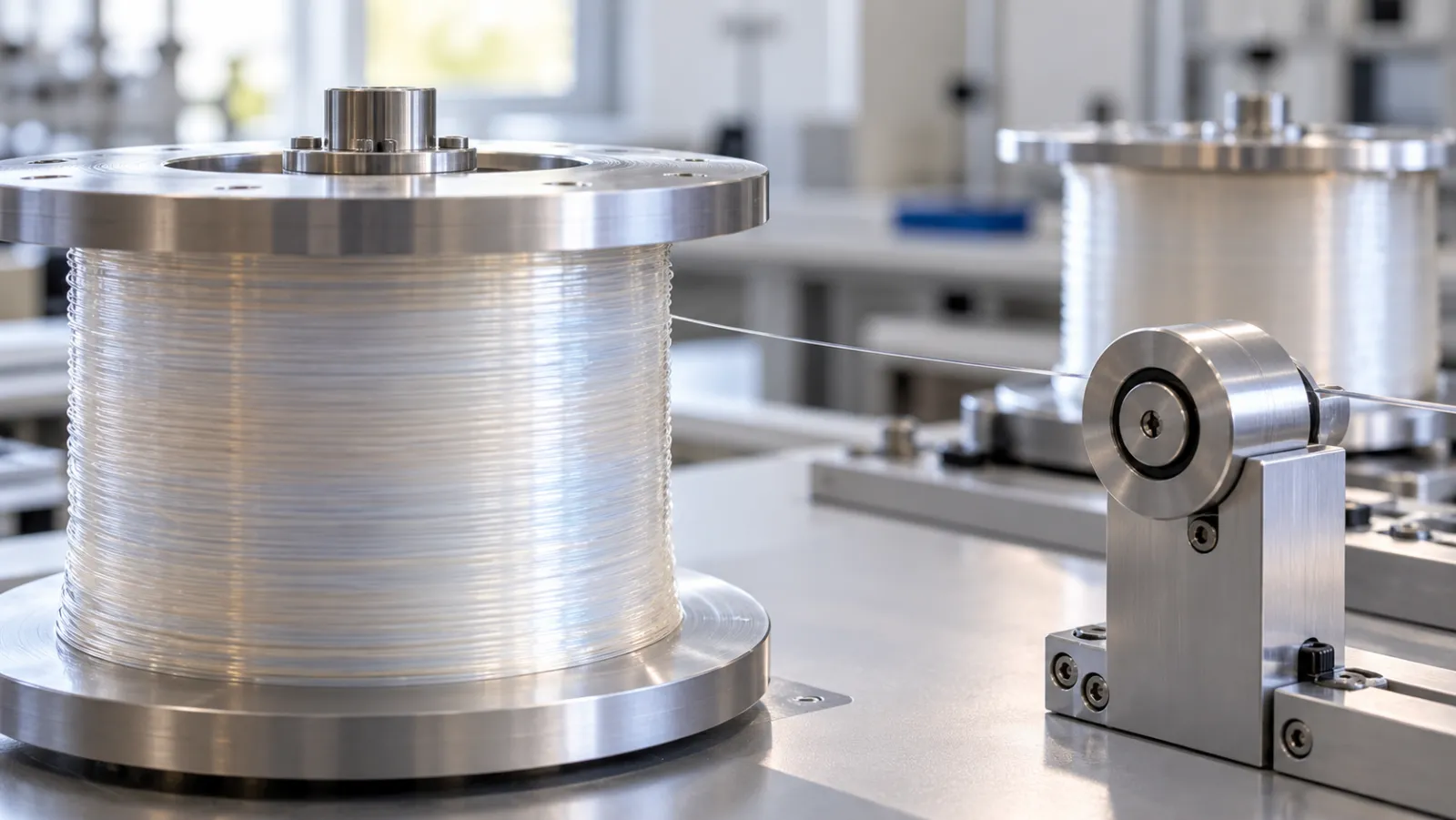
Fiber Proof Test at 100 kpsi: Stress vs Cable Pulling
Understand fiber proof test stress, convert 100 kpsi with stated assumptions, and keep glass screening separate from cable pulling limits.