The fiber-optic industry is witnessing a surge in investment as network operators race to meet the exploding demand for bandwidth. A recent example is Relativity Networks, which announced a $22 million funding round and a $40 million contract in August 2026. This news underscores the critical role that robust optical infrastructure plays in modern connectivity. For stakeholders and suppliers like Liqiba, such developments highlight the growing need for high-quality fiber components and solutions.

What Does the Relativity Networks Deal Mean for the Industry?
The investment and contract secured by Relativity Networks are not just company milestones—they reflect broader industry trends. As data consumption continues to skyrocket, driven by cloud computing, streaming, and AI, network operators are compelled to upgrade their backbone and access networks. This translates into direct demand for optical fiber, cables, and associated hardware.
Funding Fuels Network Expansion
The $22 million in funding will likely be used to accelerate network deployment, expand service areas, and enhance technology. This is a positive indicator for the entire supply chain, from fiber manufacturers to component distributors. When operators scale up, they order more fiber optic cable, patch cords, and other essential equipment.
Contract Validates Market Demand
Securing a $40 million contract demonstrates that there is tangible, long-term demand for Relativity Networks’ services. It also validates the business case for investing in next-generation fiber networks. For industry observers, this is a clear sign that the transition to fiber is not slowing down.
Key Drivers Behind the Fiber-Optic Boom
Several factors are converging to drive the current boom in fiber-optic infrastructure. Understanding these can help businesses and suppliers align their strategies.
- 5G and Edge Computing: The rollout of 5G networks requires dense fiber backhaul. Edge computing further increases the need for low-latency connections, which only optical fiber can provide.
- Data Center Interconnects: Hyperscale data centers rely on high-speed optical links to manage massive data flows. This drives demand for high-fiber-count cables and advanced connectivity solutions.
- Government Initiatives: Many governments are investing in broadband infrastructure to bridge the digital divide. These public projects often prioritize fiber-to-the-home (FTTH) and fiber-to-the-premises (FTTP) deployments.
- Consumer Demand: Streaming services, online gaming, and remote work have made reliable high-speed internet a necessity. Consumers expect fiber-like speeds, pushing ISPs to upgrade their networks.
The Role of High-Quality Fiber Components
As networks expand, the quality of individual components becomes paramount. A network is only as good as its weakest link. This is where suppliers like Liqiba play a crucial role. Providing reliable optical fiber, cables, and connectivity products ensures that networks can perform at their best.
Optical Fiber: The Foundation
At the heart of any network is the optical fiber itself. Low-loss, high-bandwidth fiber is essential for long-distance transmission. Liqiba offers a range of optical fiber products designed to meet various performance and application needs. From standard single-mode to bend-insensitive variants, the right fiber can optimize network efficiency.
Fiber Optic Cable: Protection and Performance
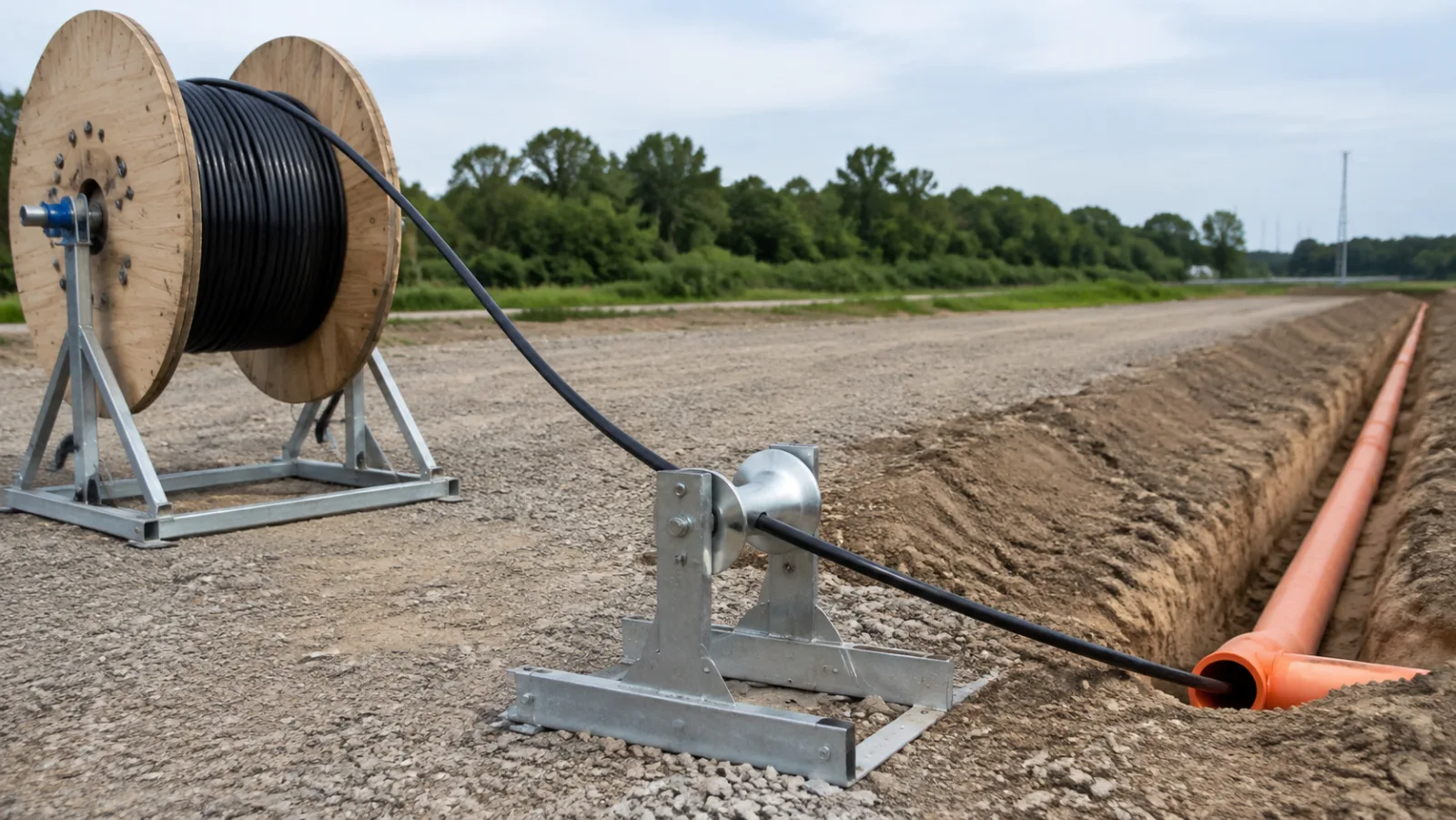
Fiber optic cables protect the delicate fibers while providing the necessary tensile strength and environmental resistance. Whether for aerial, duct, or direct burial installation, choosing the correct cable type is crucial. Liqiba provides robust fiber optic cable solutions that ensure signal integrity and longevity.
Connectivity Hardware: Patch Cords, Adapters, and More
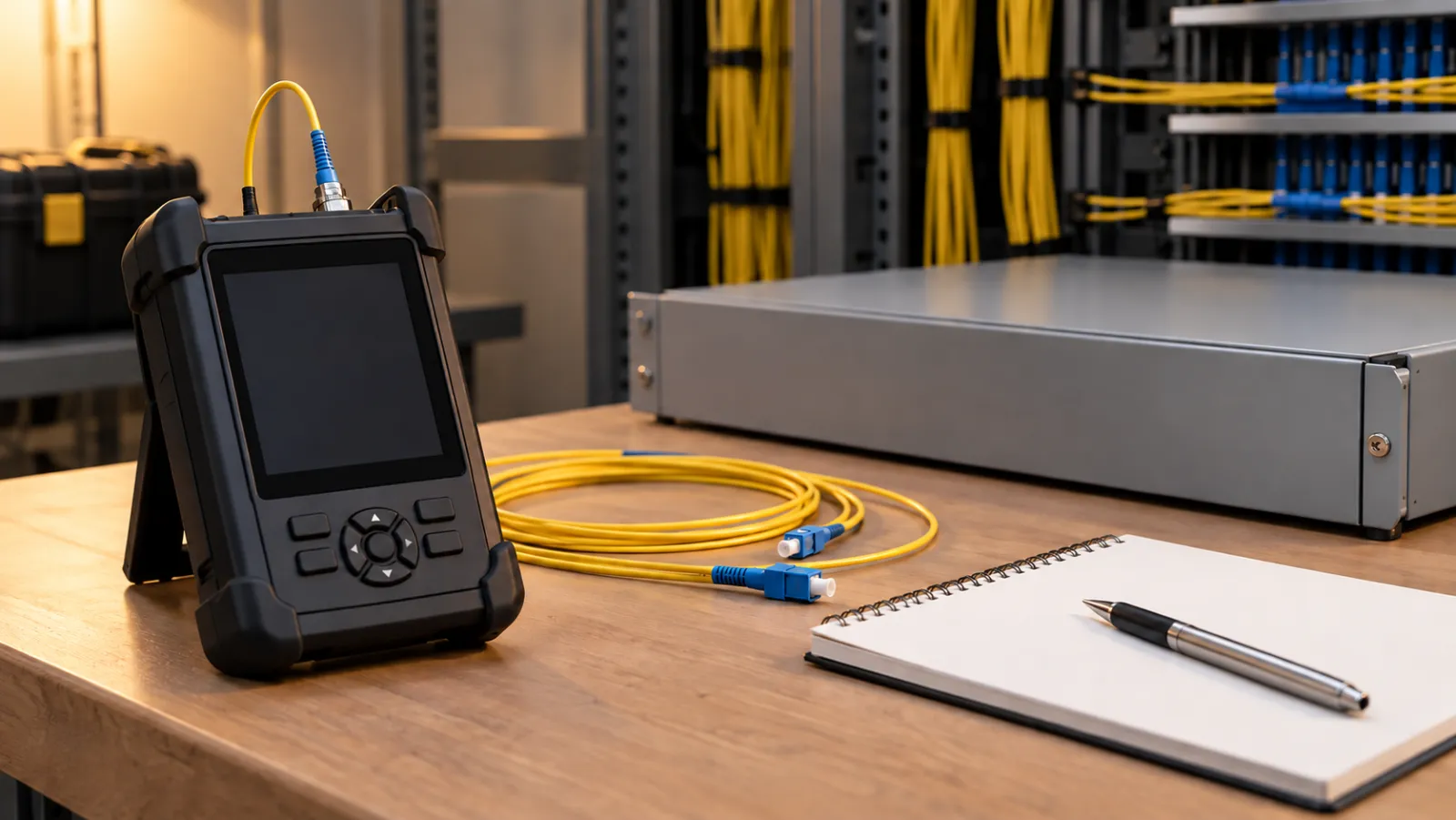
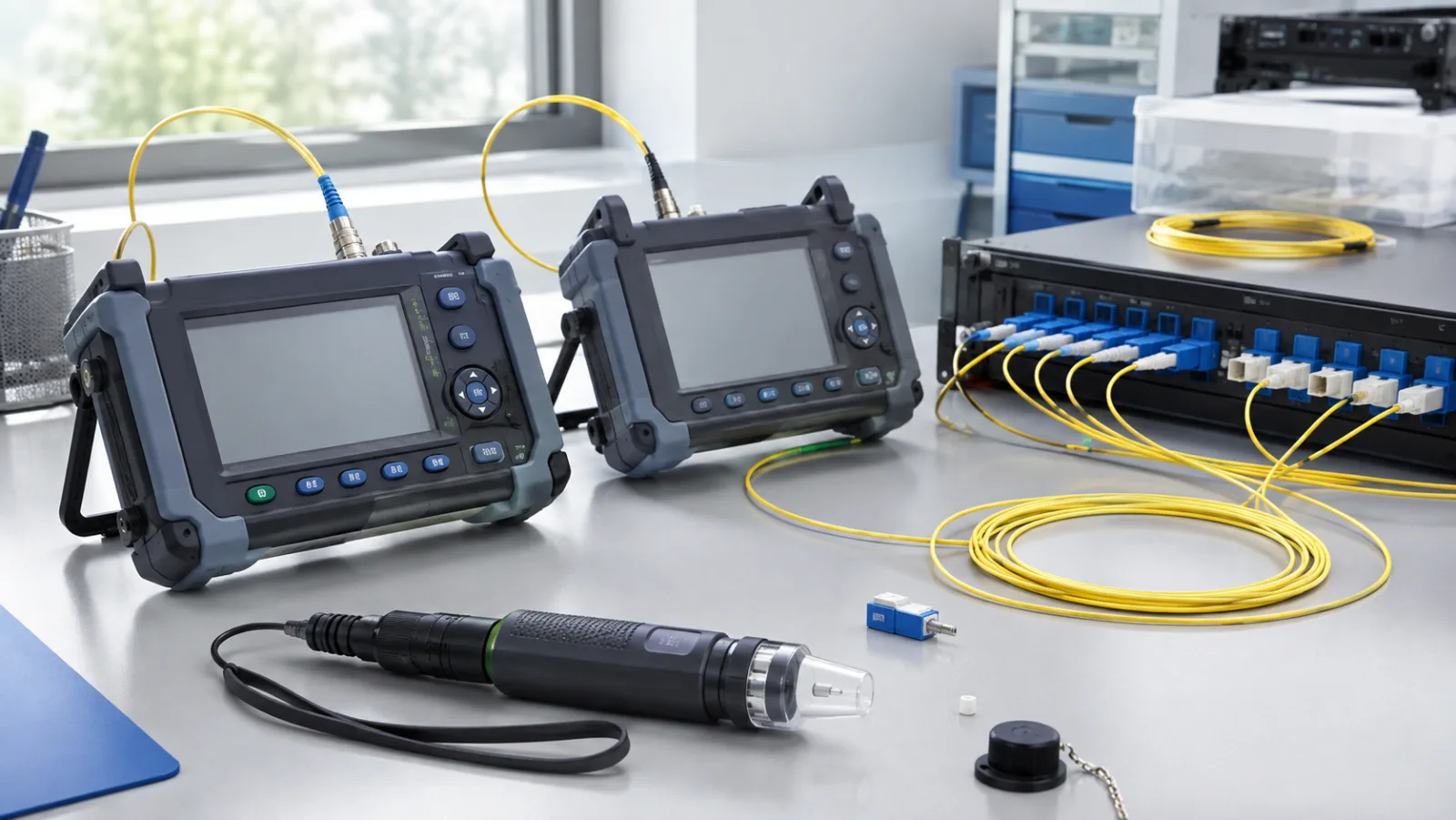
Every fiber network requires connectivity hardware to link devices and patch panels. High-quality patch cords, adapters, and other components minimize insertion loss and return loss, preventing signal degradation. Liqiba offers a comprehensive selection of patch cords and fiber optic adapters to ensure seamless connections.
Future Outlook: What’s Next for Fiber Optics?
The Relativity Networks announcement is just one of many signals that the fiber-optic market will continue to grow. Industry analysts predict sustained investment in network infrastructure over the next decade. Innovations like hollow-core fiber and multi-core fiber promise even higher capacities. For businesses, this means opportunities to deploy new services and for suppliers, a steady demand for cutting-edge products.
Preparing for the Next Generation
To stay ahead, network operators and suppliers must prepare for future standards and technologies. This includes adopting higher data rates, such as 800G and beyond, and ensuring that existing infrastructure can be upgraded with minimal disruption. Liqiba is committed to providing products that meet these evolving requirements.
Sustainability in Fiber Networks
Another emerging trend is the focus on sustainability. Energy-efficient networks and eco-friendly materials are becoming differentiators. Fiber optic networks are already more energy-efficient than copper for high-bandwidth data, but further improvements are possible. Suppliers are exploring recyclable materials and manufacturing processes that reduce carbon footprints.
Conclusion
Relativity Networks’ recent funding and contract win are a testament to the vitality of the fiber-optic sector. As networks expand to meet insatiable bandwidth demands, the importance of reliable, high-quality fiber components cannot be overstated. Companies like Liqiba are well-positioned to support this growth with a full range of fiber optic products. Whether you are a network operator or a system integrator, investing in the right components today will ensure the networks of tomorrow are ready.
Frequently Asked Questions
What does Relativity Networks’ funding mean for the fiber-optic industry?
It signals increased investment in network infrastructure, which directly boosts demand for fiber-optic components and solutions.
How does this affect companies like Liqiba?
It highlights the growing need for quality fiber products, as network operators will require more optical fiber, cables, and connectivity hardware.
What are the main drivers of fiber-optic network expansion?
5G, data centers, government broadband initiatives, and consumer demand for high-speed internet are key drivers.
Why is component quality important in fiber networks?
High-quality components reduce signal loss and reliability issues, ensuring optimal network performance.
What fiber products are essential for network deployment?
Optical fiber, fiber optic cables, patch cords, adapters, and fiber tools are all essential for successful deployment.
How can I learn more about Liqiba’s fiber products?
Visit our products page to explore our full range of fiber optic solutions.
Related: Quantum Keys Travel 18 km Across Hybrid Air-and-Fiber Network: What It Means for Fiber Optics