The final frontier is no longer a silent void of analog signals. As humanity pushes beyond low-Earth orbit with ambitious constellations, lunar bases, and deep-space probes, the need for high-bandwidth, radiation-tolerant, and extremely reliable data transmission has never been more critical. Next-generation space applications—from autonomous satellite clusters to interplanetary internet—demand a communications backbone that can withstand the harshest environment imaginable. This is where advanced fiber optic technology steps in, offering a paradigm shift from traditional RF and copper-based systems.
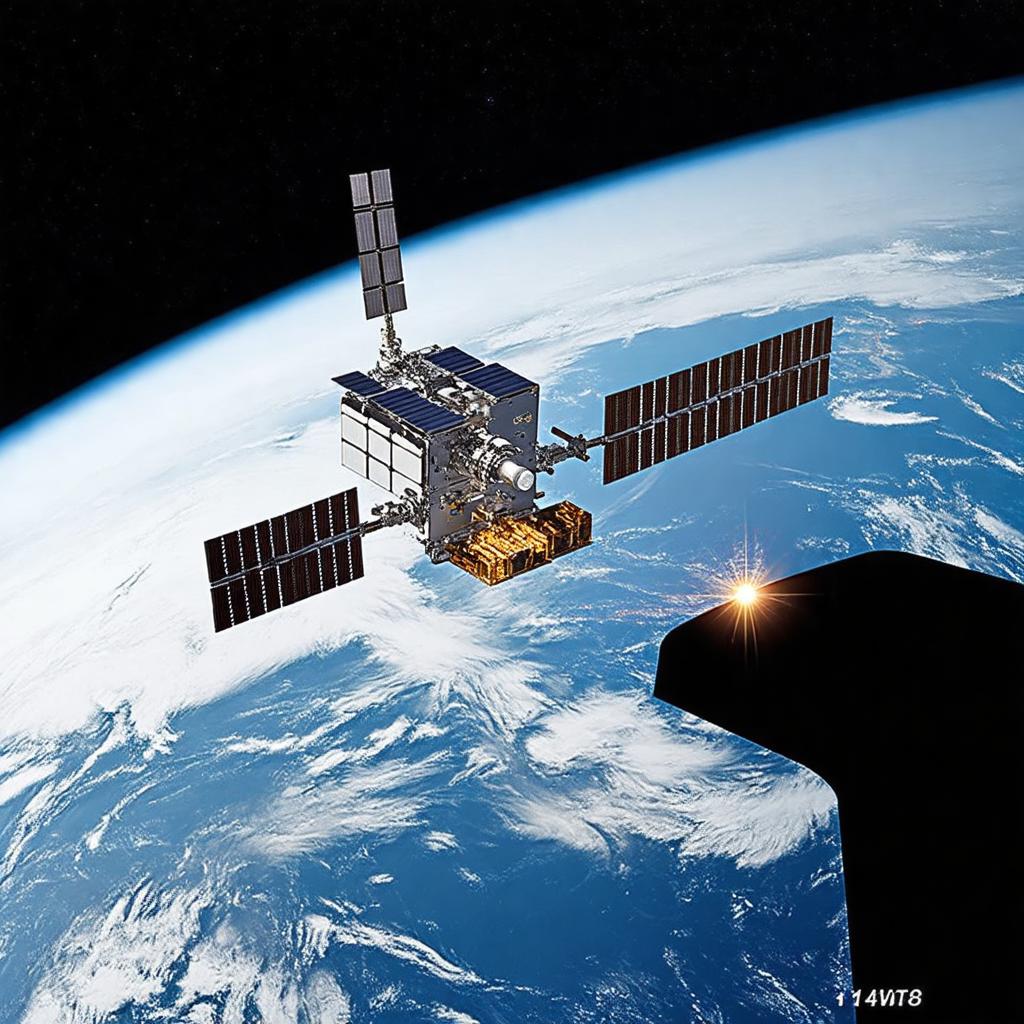
The Rise of Fiber in Orbit: Why Space Needs Light
Spacecraft and satellites have traditionally relied on radio frequency (RF) for communication, but RF bandwidth is limited and increasingly congested. Fiber optics provide a compelling alternative, offering terabit-per-second capacity, immunity to electromagnetic interference (EMI), lower weight, and reduced power consumption. As space missions become more data-intensive—think high-resolution Earth observation, real-time video from Mars rovers, and the burgeoning satellite internet—fiber is moving from a niche solution to a core infrastructure element.
Key Drivers for Fiber Adoption in Space
- Bandwidth Explosion: Instruments and sensors generate petabytes of data; fiber can handle it.
- Electromagnetic Immunity: Fiber is impervious to the EMI and crosstalk that plague copper in spacecraft’s dense wiring.
- Weight and Space Savings: Fiber cables are lighter and thinner, freeing up valuable mass for payloads.
- Security: Fiber is inherently more secure, with no radiating signals to intercept.
Radiation-Hardened Fiber: The Core Challenge
The space environment is unforgiving, with high-energy particles and cosmic rays that can degrade materials and disrupt electronics. Standard optical fibers suffer from radiation-induced attenuation (darkening) and embrittlement. Therefore, radiation-hardened fiber is engineered with specialty dopants (like fluorine) and pure silica cores to resist these effects. Companies like Corning and Prysmian have developed fibers that maintain low loss even after years in orbit.
Beyond Radiation: Thermal and Vacuum Considerations
Space-grade fiber must also operate across extreme temperature swings (-100°C to +200°C) and outgas nothing in vacuum. Advanced coatings and hermetic sealing protect the fiber from atomic oxygen and micro-meteoroid impacts. These engineering challenges are why space fiber is a specialty, not a commodity.
Architecting the Space Fiber Network
Designing a fiber-optic network for space is about more than just the glass. It involves a full ecosystem of components that must work flawlessly in orbit. Liqiba, as a leading supplier of fiber optic products, understands that reliability is paramount. Our fiber optic cables are manufactured with high precision, ensuring consistent performance even under duress.
Critical Components for Space Missions
- Optical Fibers: Single-mode fibers with low loss and radiation tolerance.
- Cables: Lightweight, ruggedized cables with anti-microcracking jackets.
- Connectors: High-density, low-insertion-loss connectors that withstand vibration.
- Adapters: Precision alignment for seamless mated pairs.
- Splitters: For distributing signals to multiple instruments or satellite subsystems.
For instance, our fiber optic adapters are designed with tight tolerances to ensure low loss and high repeatability—essential when a single connector failure could doom a mission. Similarly, PLC splitters offer reliable branching of optical signals, a common need in satellite payloads.
Case Studies: From LEO to Deep Space
Fiber optics are already proving their worth in space. The Optical Fiber Communication Conference has highlighted numerous advances in space-grade fiber. For example, the European Space Agency (ESA) has tested fiber gyroscopes and high-speed laser communication terminals. NASA’s Lunar Laser Communication Demonstration achieved record data rates using fiber-based receivers. These successes pave the way for integrated fiber networks on the Moon and Mars.
Satellite Constellations: The Ultimate Stress Test
Mega-constellations like Starlink and OneWeb are deploying thousands of satellites, each potentially using fiber interconnects internally and for inter-satellite laser links. This requires massive production of reliable components at an unprecedented scale. Liqiba’s manufacturing capabilities and quality assurance processes ensure that components meet the rigorous demands of such programs.
How Liqiba Contributes to Space-Grade Reliability
While Liqiba may not yet offer certified space-grade components, our manufacturing philosophy aligns with the industry’s stringent requirements. We understand that the foundation of any advanced application, including space, is robust and reliable infrastructure. Our optical fiber and patch cords are manufactured using high-grade materials and tested to ensure low loss, high return loss, and excellent environmental stability—characteristics that are prerequisites for space adaptation.
Testing and Quality Control
We apply rigorous testing to every product, similar to the standards recommended by the Fiber Optic Association. This includes insertion loss, return loss, and visual inspection. For space applications, the industry adopts MIL-SPEC and NASA standards, and we are continuously upgrading our processes to meet these higher tiers.
The Future: Fiber as the Nervous System of Space
As we look to the next decade, fiber optics will become even more integral to space exploration. Future missions will feature:
- Quantum Communication: Fiber-based quantum key distribution for secure space links.
- Distributed Sensor Networks: Fiber sensors for structural health monitoring of spacecraft.
- Optical Computing: Onboard photonic processors for faster data handling.
These innovations will require even more advanced fiber components, and manufacturers like Liqiba are poised to contribute by leveraging their expertise in fiber technology. Our patch cords and other cabling solutions are stepping stones toward the ultra-reliable systems needed for deep-space exploration.
Frequently Asked Questions
1. What makes fiber optics suitable for space?
Fiber optics offer high bandwidth, immunity to EMI, low weight, and low power consumption, making them ideal for the data-intensive and harsh environment of space.
2. How does radiation affect optical fiber?
Radiation can cause darkening (increased attenuation) and physical damage. Radiation-hardened fibers use special dopants and pure silica to resist these effects.
3. Can Liqiba products be used in space applications?
While Liqiba currently focuses on terrestrial and industrial applications, our products meet high standards of quality and reliability that are foundational for more demanding environments. We are continuously improving to meet space-grade specifications.
4. What are the main challenges for fiber optic systems in space?
Key challenges include radiation tolerance, extreme temperature cycling, vacuum outgassing, and mechanical resilience during launch and operation.
5. Are there existing examples of fiber optics in space?
Yes, fiber-optic gyroscopes are used in many satellites for attitude control, and laser communication terminals, which rely on fiber, have been tested on missions like NASA’s LCRD.
6. How can I learn more about space-grade fiber?
You can consult industry resources like the Lightwave online publication or participate in conferences like OFC.
At Liqiba, we are committed to advancing fiber optic technology. As the space industry evolves, we are ready to support the next generation of exploration with reliable, high-performance components. Contact us to discuss your project needs.
Related: Relativity Networks’ $22M Raise and $40M Contract: A Signal for Fiber-Optic Expansion