The Rally in Fiber Optic Stocks: A Signal for the Industry
In recent weeks, fiber optic stocks have experienced a remarkable surge, driven by a frantic catch-up rally as investors recognize the critical role of optical fiber in the digital infrastructure boom. This rally is not just a financial phenomenon; it reflects a profound shift in demand for fiber-optic products, fueled by the expansion of AI data centers, 5G rollouts, and nationwide broadband initiatives. For engineers and procurement professionals, understanding the drivers behind this surge is essential for making informed purchasing decisions in a market that is rapidly evolving.

The surge in fiber optic stocks is largely attributed to the explosive growth in data consumption and the need for high-speed, low-latency connectivity. According to industry analysts, the demand for optical fiber is outpacing supply, leading to price increases and extended lead times. As a result, buyers must navigate a more competitive landscape, where strategic sourcing and long-term planning become paramount.
This article provides an in-depth analysis of the factors fueling the fiber optic rally and offers practical guidance for engineers and purchasers on how to adapt. We’ll explore the engineering implications of this demand surge, including supply chain challenges, technological advancements, and strategic procurement approaches.
Drivers Behind the Fiber Optic Stock Surge
The current rally in fiber optic stocks can be traced to several interconnected drivers, each reinforcing the others to create a perfect storm of demand.
AI and Data Center Expansion
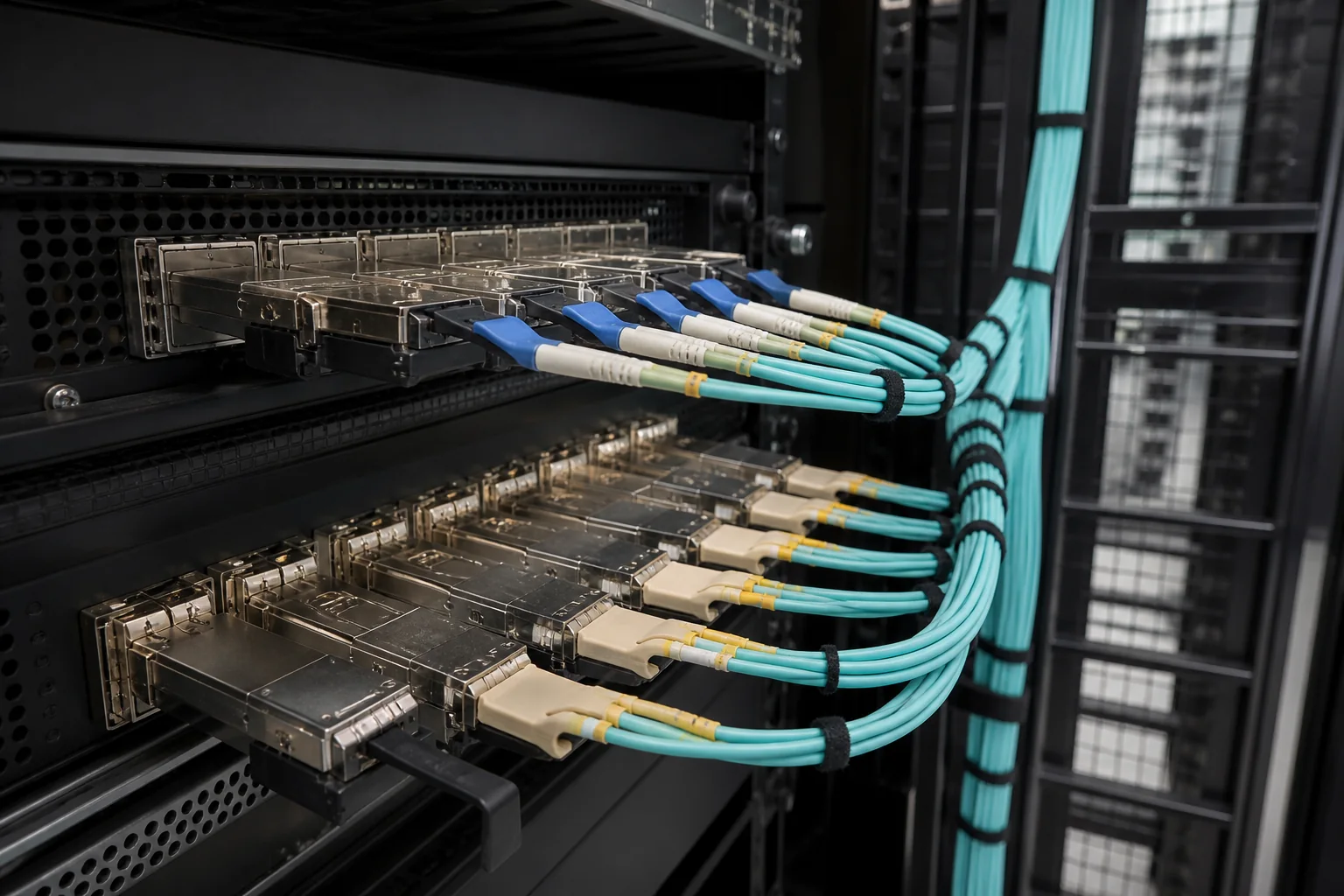
Artificial intelligence (AI) workloads, particularly large language models and machine learning training, require massive data transfers between servers. Data centers are increasingly deploying high-density fiber cabling to support these workloads. According to a report by Lightwave, AI data centers are expected to drive a compound annual growth rate of over 20% in optical transceiver shipments through 2028. This growth directly translates into increased demand for fiber optic cables, patch cords, and other components.
5G and Broadband Rollouts
The global push for 5G networks and fiber-to-the-home (FTTH) deployments continues to accelerate. Governments and telecom operators are investing heavily in fiber infrastructure to meet the demands of remote work, streaming, and IoT. For instance, the U.S. Broadband Equity, Access, and Deployment (BEAD) program allocates $42 billion to expand broadband access, much of which will be spent on fiber-optic infrastructure. This creates a sustained demand for fiber optic products over the next decade.
Supply Chain Constraints
The pandemic exposed vulnerabilities in the global supply chain, particularly for optical fiber and related components. Shortages of raw materials, such as high-purity silica and rare earth elements, have constrained production capacity. Additionally, the concentration of fiber manufacturing in a few countries has led to geopolitical risks. These constraints have contributed to price volatility and longer lead times, making it crucial for buyers to plan ahead.
Engineering Implications of the Surge
For fiber-optic engineers, the stock rally is not just a market trend; it has tangible engineering implications.
Material and Design Considerations
The increased demand for fiber is pushing manufacturers to innovate in fiber design and materials. For example, the adoption of G.657.A2 bend-insensitive fiber is rising because it allows for tighter bends in space-constrained environments like data centers and FTTH installations. Engineers must stay updated on the latest fiber standards to select the right product for their applications.
Supply Chain Management
With longer lead times, engineers must integrate supply chain considerations into their project planning. This may involve qualifying multiple suppliers, maintaining safety stock, or redesigning networks to use more readily available components. For instance, choosing standard single-mode fiber over specialty types can reduce procurement risk.
Testing and Quality Assurance
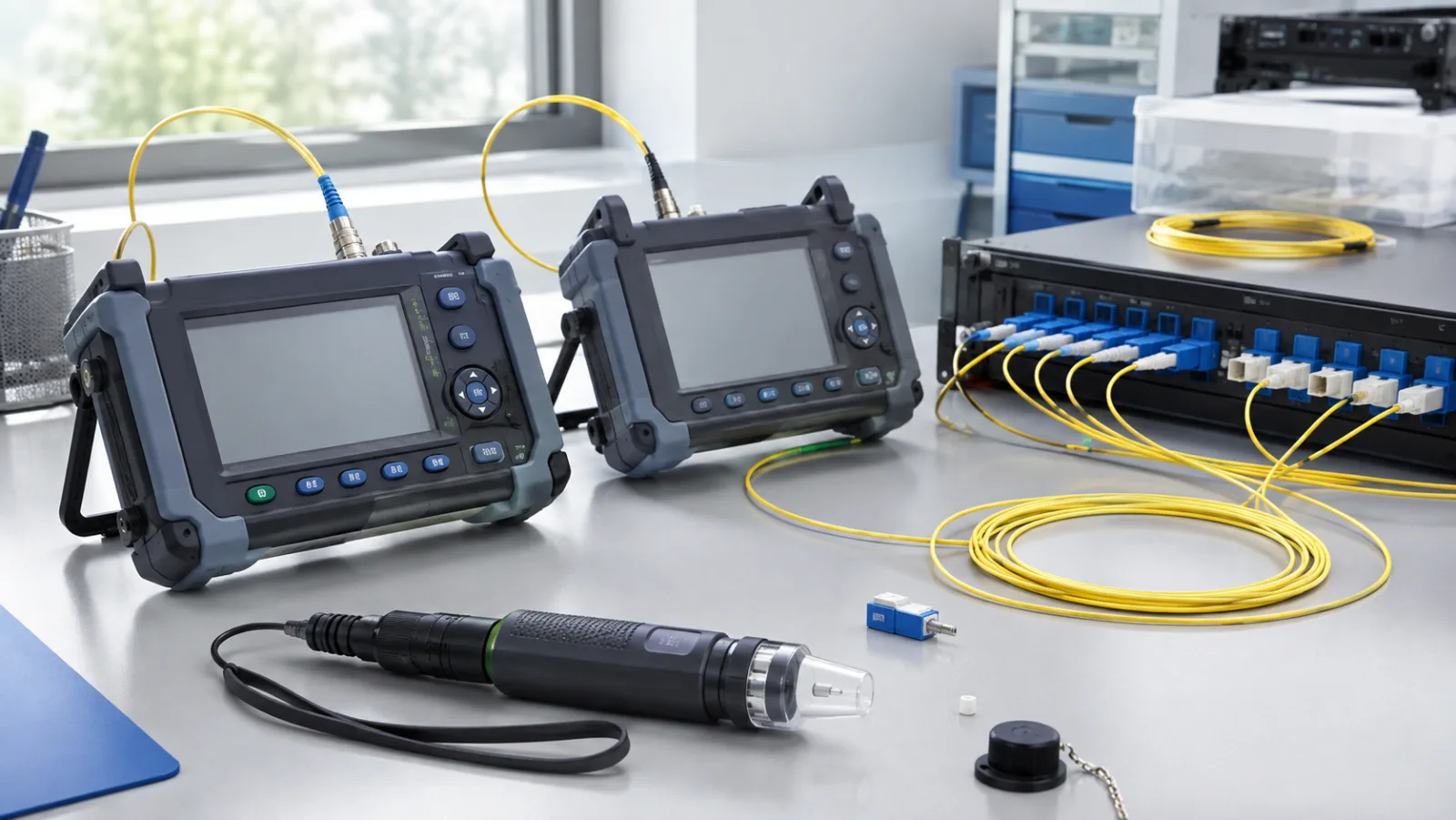
As demand surges, there is a risk that quality could be compromised in the race to deliver. Engineers must emphasize rigorous testing and adherence to international standards. For example, ensuring that fiber optic cables meet IEC and ITU specifications is critical to avoid costly failures in the field.
How Buyers Can Navigate the Fiber Optic Market Rally
Given the current market dynamics, buyers need a strategic approach to procurement. Here are some actionable tips:
- Forecast Demand Early: Collaborate with stakeholders to forecast fiber needs well in advance, considering project timelines and potential delays.
- Diversify Suppliers: Avoid relying on a single source for fiber optic products. Establish relationships with multiple suppliers to mitigate risk.
- Consider Wholesale Options: For large projects, wholesale purchasing can secure better pricing and availability. Explore fiber optic products wholesale options to optimize costs.
- Leverage Standardization: Use standard components (e.g., G.652.D fiber, LC connectors) to increase compatibility and reduce lead times.
- Invest in Testing: Ensure that every batch of fiber optic products is tested to meet specifications. This can be done in-house or through third-party labs.
Future Outlook: What’s Next for Fiber Optics?
The fiber optic rally is likely to continue as digital transformation accelerates. Emerging technologies such as 6G, quantum computing, and edge computing will further drive demand for high-capacity fiber networks. However, the industry must address challenges such as sustainability and raw material scarcity. Innovations in fiber recycling and alternative materials are underway, but they are not yet scalable.
For engineers and buyers, staying informed about these trends is essential. By understanding the market drivers and adapting procurement strategies, organizations can thrive in this dynamic environment.
To learn more about fiber optic products and solutions, visit our products page or explore our range of fiber optic cables and patch cords.
Related: How Multi-Use Corridors Are Reshaping Fiber Optic Infrastructure