The Vision Behind Multi-Use Corridors
The U.S. Department of Transportation has proposed a transformative approach to infrastructure: converting major highways and railroads into multi-use corridors that simultaneously support transportation, energy, and digital communications. This initiative, known as ‘America’s Great Corridors of Commerce,’ aims to maximize the value of existing rights-of-way by accommodating multiple utilities and technologies, including fiber optic networks. For telecom operators, utility companies, and infrastructure contractors, this represents a significant opportunity to deploy fiber more efficiently and cost-effectively.
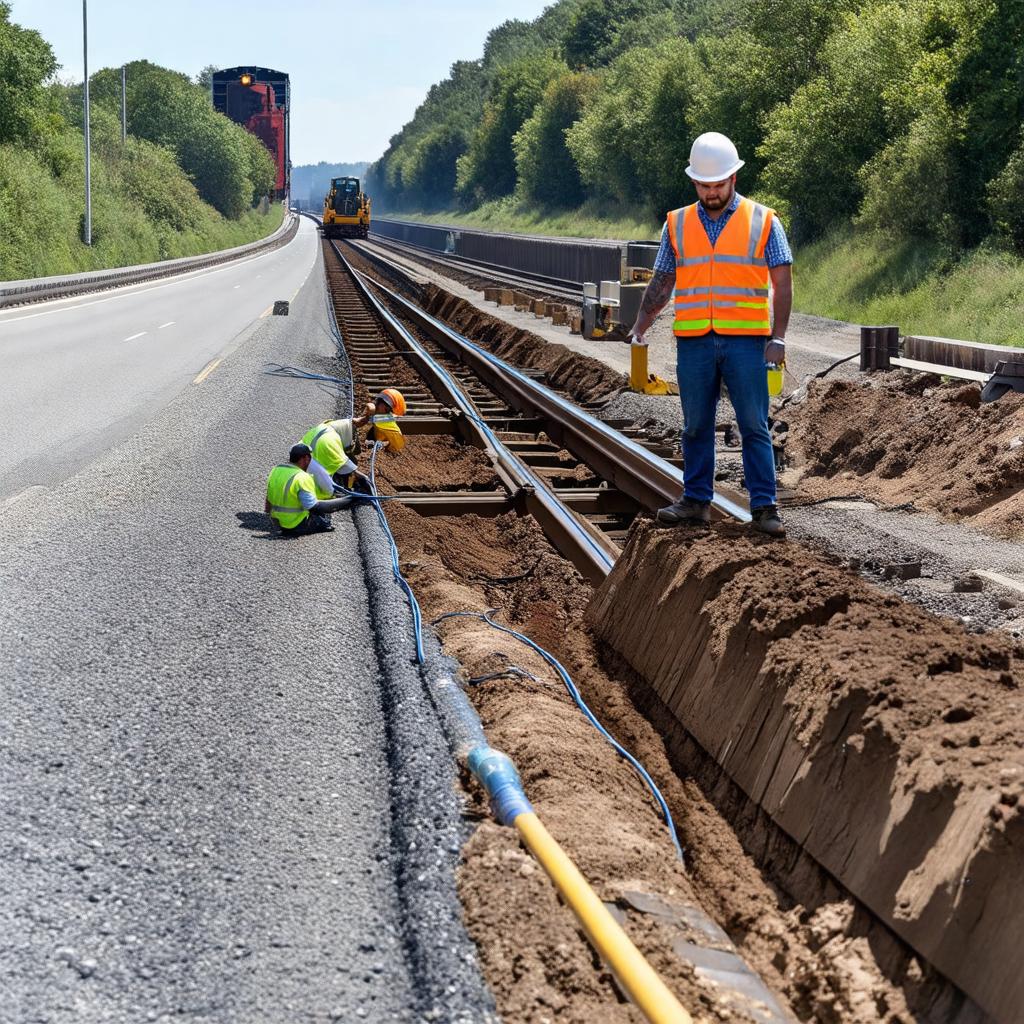
By co-locating fiber optic cables along transportation routes, we reduce the need for separate trenching and permitting, accelerating network deployment. However, such co-location introduces complex engineering challenges related to vibration, temperature extremes, electromagnetic interference, and maintenance access. This article explores the technical implications for fiber optic engineers and procurement specialists, offering guidance on cable selection, installation, and testing.
Engineering Challenges of Fiber in Transportation Corridors
Environmental Stress and Cable Protection
Fiber optic cables installed along highways and railroads are exposed to harsh conditions: constant vibration from traffic, temperature swings, and potential physical damage from maintenance activities. For example, near rail lines, cables must withstand repeated micro-bending and macro-bending stresses. Engineers must select cables with appropriate tensile strength, crush resistance, and flexibility. Armored cables or those with gel-filled loose tubes may be necessary to protect fibers.
The ITU-T L-series recommendations provide guidance on cable construction and installation for outside plant, including aerial and buried installations. For rail corridors, additional shielding may be required to prevent electromagnetic interference from traction power systems.
Right-of-Way and Co-location Considerations
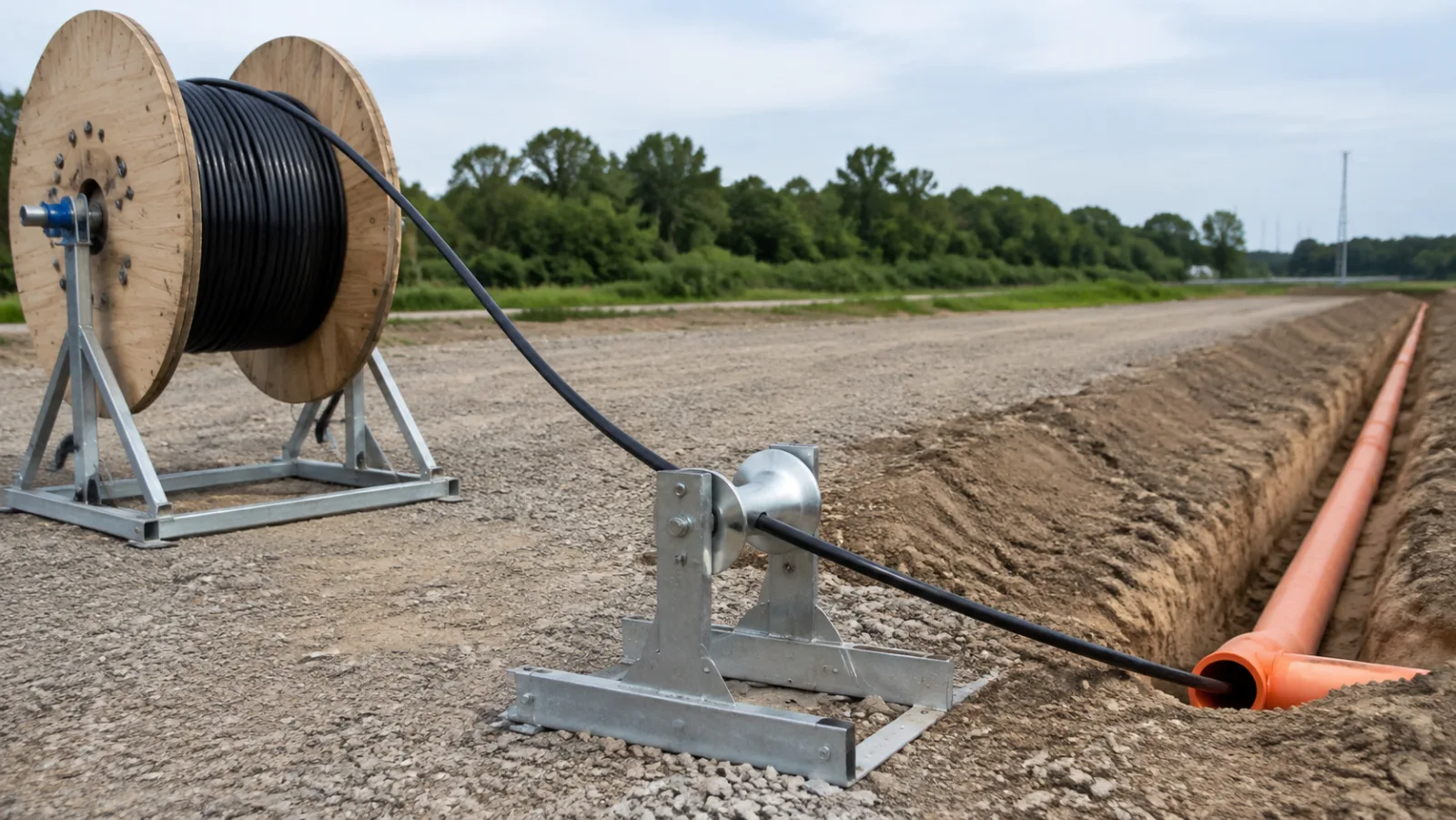
Co-locating fiber along transportation corridors requires detailed planning to avoid conflicts with other utilities and future construction. Engineers must design cable routes with sufficient separation from high-voltage power lines and ensure access points for splicing and maintenance. Depending on the corridor type, different installation methods are used: direct burial, conduit, or aerial lashing. Each has distinct cost and reliability profiles.
For example, on highway bridges, fiber may be routed through existing conduits or attached to structural elements, requiring careful thermal expansion analysis. In railroad tunnels, fire-resistant cables and robust mounting brackets are mandatory. These factors influence the choice of fiber optic cable types, such as loose-tube vs. tight-buffered designs.
Reliability and Maintenance Access
Transportation corridors are often remote, making maintenance challenging. To minimize downtime, engineers must plan for redundant paths and easy access points. This may involve installing handholes or pedestals at regular intervals, and using remote monitoring systems. Distributed fiber optic sensing (DFOS) can also be used to detect vibrations or temperature changes along the route, providing early warning of potential damage.
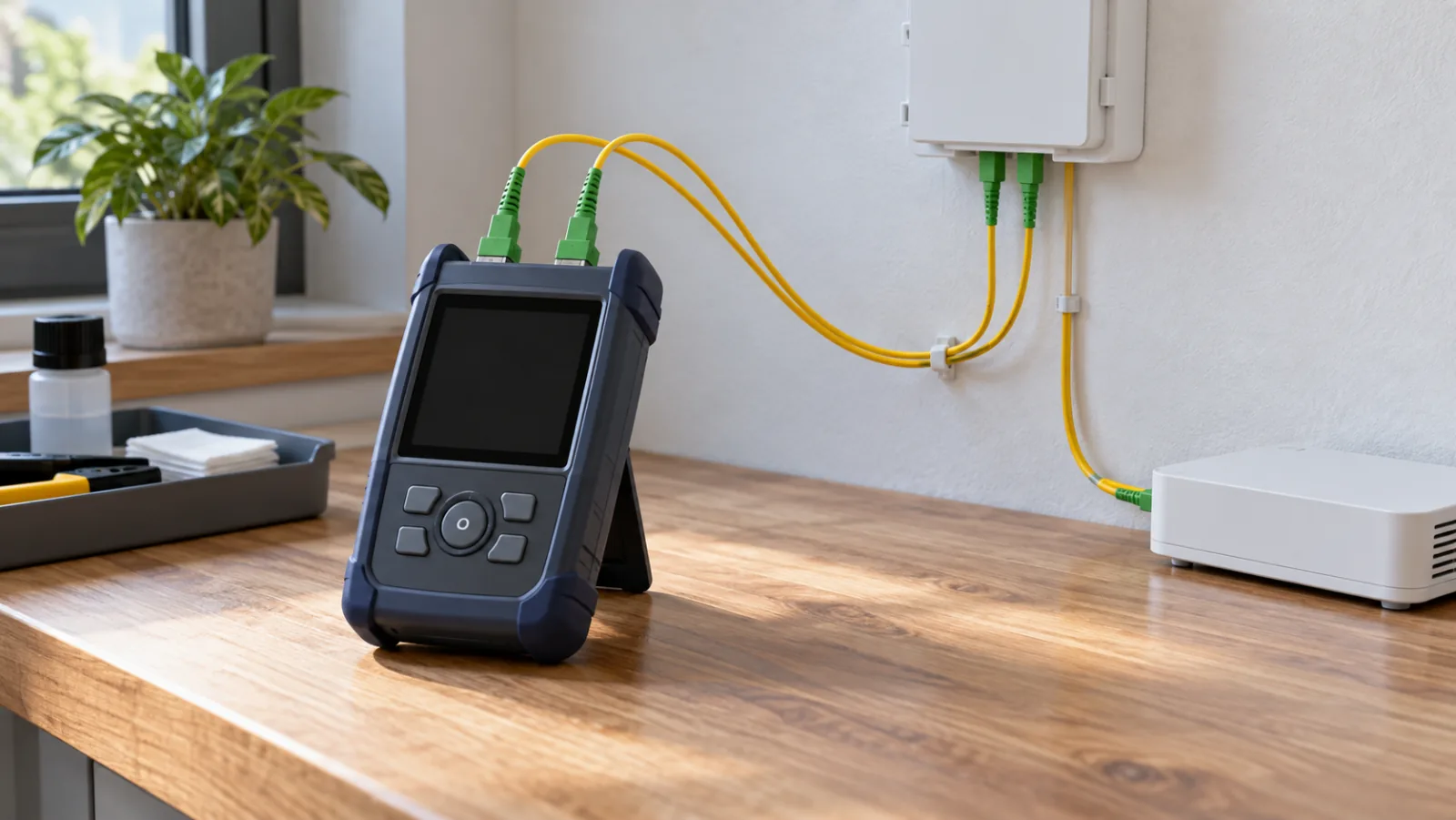
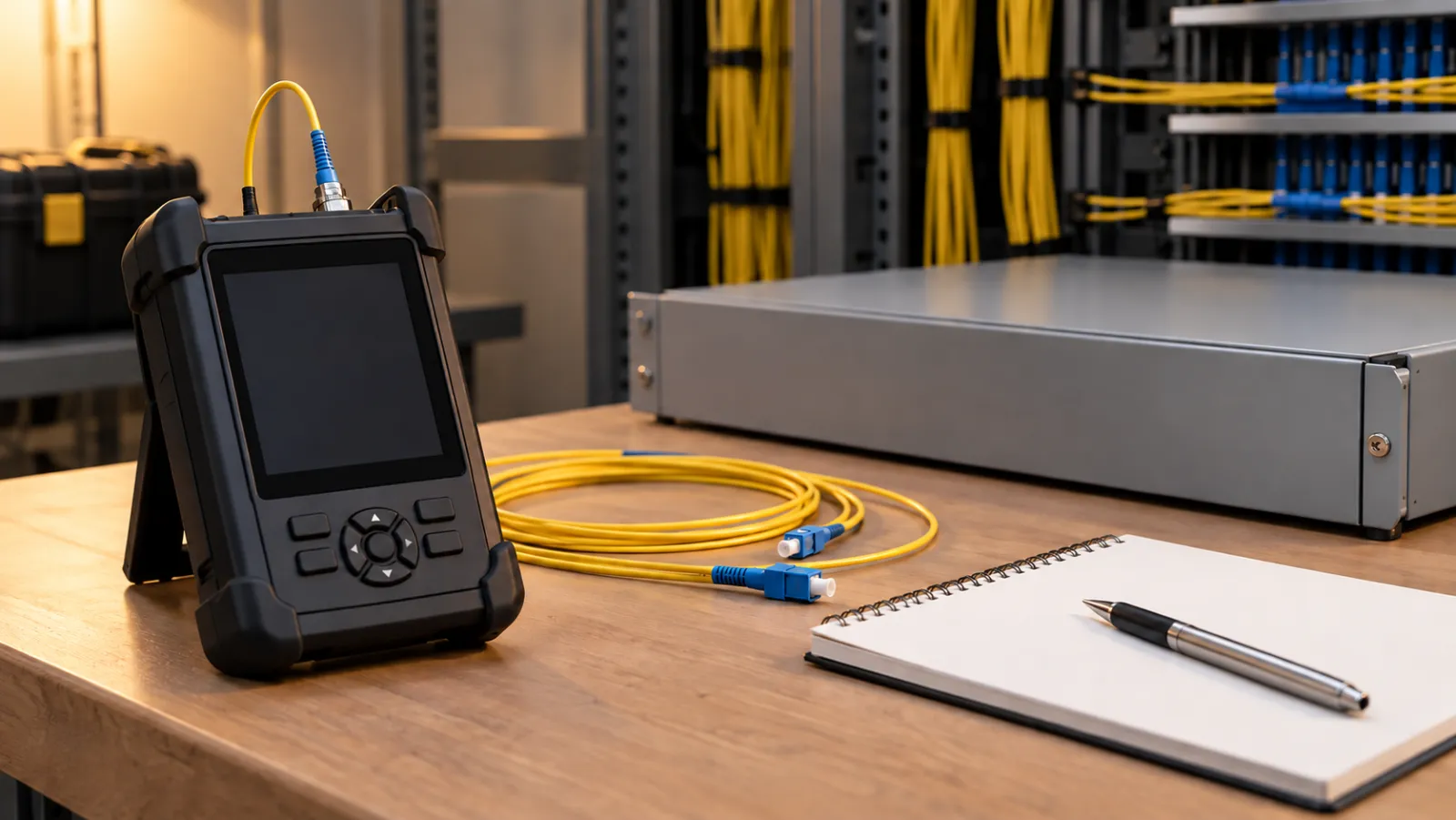
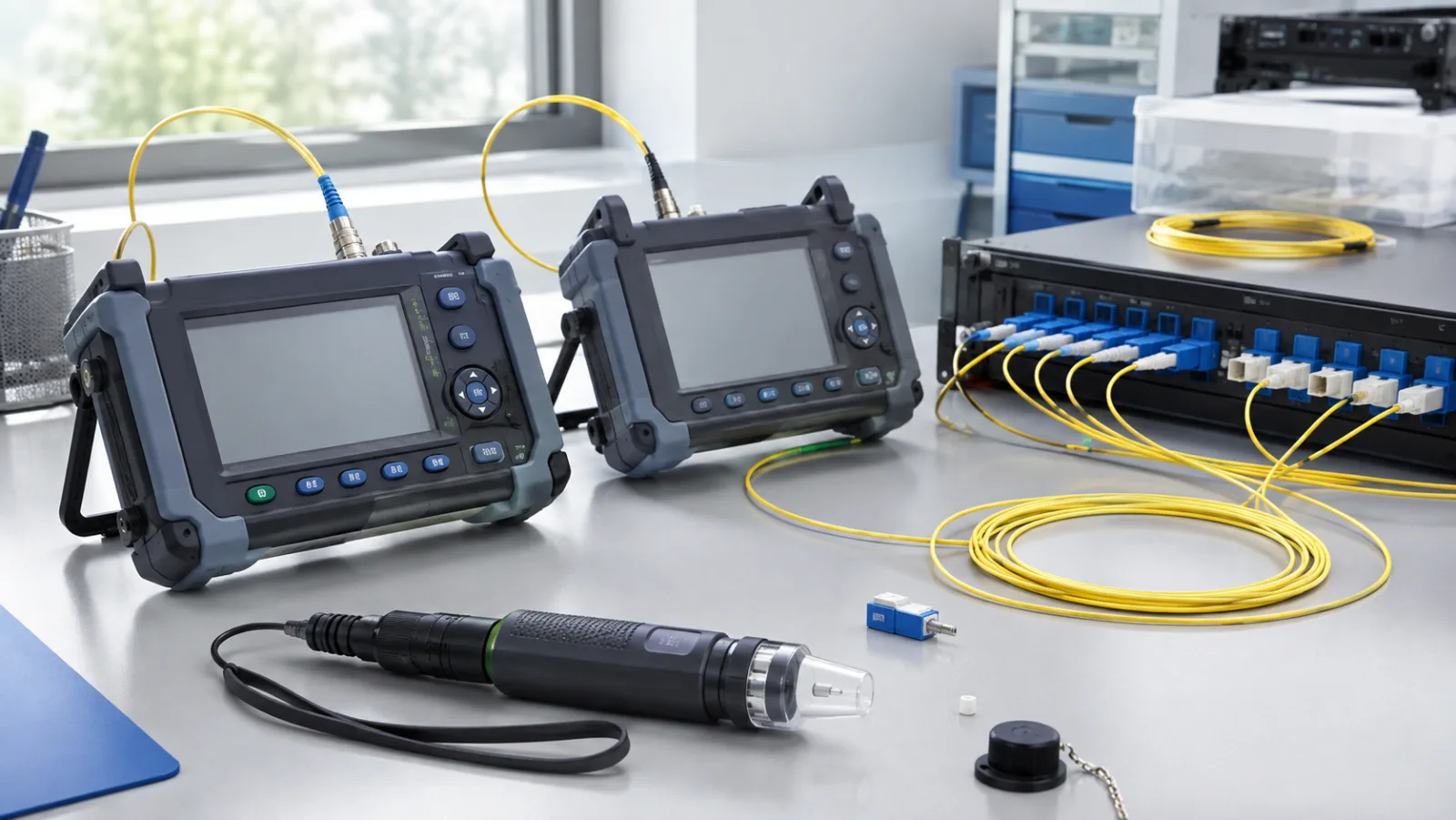
Given the critical nature of these networks, testing and acceptance procedures are more stringent. OTDR testing from both ends with launch cables is recommended to characterize splice loss and overall link loss accurately.
Standards and Specifications for Corridor Fiber
When specifying fiber for multi-use corridors, adherence to international standards is essential. The ITU-T G-series recommendations define optical fiber characteristics, such as G.652.D for standard single-mode fiber, G.657.A1/A2 for bend-insensitive fiber, and G.655 for dispersion-shifted fiber. For long-haul corridors, G.652.D is typical, but G.657.A2 may be preferred in tight bends.
Additionally, the IEC 60794 series specifies cable construction and test methods. Buyers should verify that cables meet relevant IEC standards for tensile, crush, impact, and temperature cycling. For example, IEC 60794-1-2 outlines test procedures for mechanical and environmental performance.
In the United States, the Fiber Optic Association provides training and certification that can be valuable for contractors working on such projects.
Cable Selection and Deployment Strategies
Choosing the Right Fiber and Cable Type
For highway and rail corridors, the following factors are critical:
- Fiber count: Future-proofing is essential; consider 48 to 144 fibers to accommodate growth.
- Cable design: Loose-tube cables offer better protection against moisture and temperature, while tight-buffered cables are easier to terminate in indoor environments.
- Armoring: Steel tape or wire armor provides additional crush resistance but increases weight and cost.
- Fire rating: In tunnels, use low-smoke, zero-halogen (LSZH) cables to meet safety codes.
For aerial installations, ADSS (All-Dielectric Self-Supporting) cables are popular because they are non-metallic and immune to lightning, but they require careful sag and tension calculations. OPGW (Optical Ground Wire) is used on power lines, but not typically on transportation corridors.
Installation Techniques
Depending on the corridor, installation may involve:
- Direct burial: Use a cable with gel-filled core and outer PE jacket; place on a sand bed and cover with warning tape.
- Conduit: Provides easier future replacement; use innerducts to organize multiple cables.
- Microtrenching: A narrow slot cut into pavement, often used on highways; requires specialized equipment and rapid-cure backfill.
- Sub-ducting: For existing ducts, blowing or pulling fiber.
Each method has trade-offs in cost, speed, and reliability. For example, microtrenching is fast but may lead to higher repair costs if the cable is damaged.
Engineering Value Module: Cable Selection Specification Table
The following table summarizes typical specifications for cables used in multi-use corridors. Values are based on industry standards and are for illustration only; actual product specifications should be confirmed with manufacturers.
| Cable Type | Fiber Count | Maximum Tensile Load (N) | Crush Resistance (N/100mm) | Temperature Range (°C) | Recommended Use |
|---|---|---|---|---|---|
| Loose-tube, PE jacket, gel-filled | 48–144 | 2700 | 2200 | -40 to +70 | Direct burial along highways |
| Armored (steel tape), loose-tube | 24–96 | 4000 | 5000 | -40 to +70 | Railroad tracks, high-risk areas |
| Tight-buffered, LSZH | 12–48 | 600 | 1000 | -20 to +70 | Inside tunnels or buildings |
| ADSS (all-dielectric) | 12–72 | Varies by span | N/A | -40 to +70 | Aerial installations along poles |
Note: Values are illustrative based on typical commercial products and may not match specific brands. Always refer to manufacturer datasheets.
When selecting cables, consider the installation environment and future maintenance. For example, armored cables may be worth the extra cost in areas prone to excavation damage.
Procurement and Wholesale Considerations
For large corridor projects, purchasing fiber optic products in bulk can significantly reduce costs. Working with a reliable wholesale supplier ensures consistent quality and timely delivery. At fiber optic products wholesale, you can find a wide range of cables, connectors, and tools suited for infrastructure projects.
When sourcing, verify that the supplier provides test results and certificates of conformance to relevant standards. It’s also wise to request samples for pre-qualification testing. For more information on our manufacturing capabilities and quality control, visit our About Us page and Quality page.
Additionally, consider using standardized components to simplify spares and repairs. For example, using pre-terminated patch cords can save installation time, but for long runs, fusion splicing is often preferred.
Conclusion and Future Outlook
The integration of fiber optics into multi-use corridors is a logical step toward a more connected and efficient infrastructure. By planning carefully and using robust engineering practices, stakeholders can leverage existing rights-of-way to build resilient networks that support smart transportation, 5G, and future technologies.
As the initiative unfolds, staying abreast of standards and best practices will be crucial. For engineers and procurement professionals, understanding the unique challenges of corridor deployment is the first step toward successful project execution.
Frequently Asked Questions
What corridor-specific information belongs in the fiber cable specification?
Document whether each segment is buried, ducted, bridged or exposed, together with water exposure, mechanical loads, crossings and maintenance access. Select cable construction from those route conditions rather than treating a highway or railway label as a specification.
What must be agreed before sharing a transport corridor?
Identify the corridor owner and relevant authorities, then document access, work windows, separation requirements and repair responsibilities for that route. This article does not establish permission to install in any particular jurisdiction.
Related: How Distributed Fiber-Optic Sensing Maps Glacial Crevasses—and What It Teaches Engineers