Recent news from Columbia, South Carolina, reported that a fiber optic installation crew accidentally struck a natural gas line, causing a leak and forcing evacuations. While such incidents are rare, they underscore the critical importance of safe digging practices and careful planning in fiber-optic construction. For engineers, contractors, and utility owners, understanding the risks and implementing robust prevention measures is not just a legal obligation—it is a moral imperative.
The Growing Demand for Fiber and the Rise of Utility Strikes
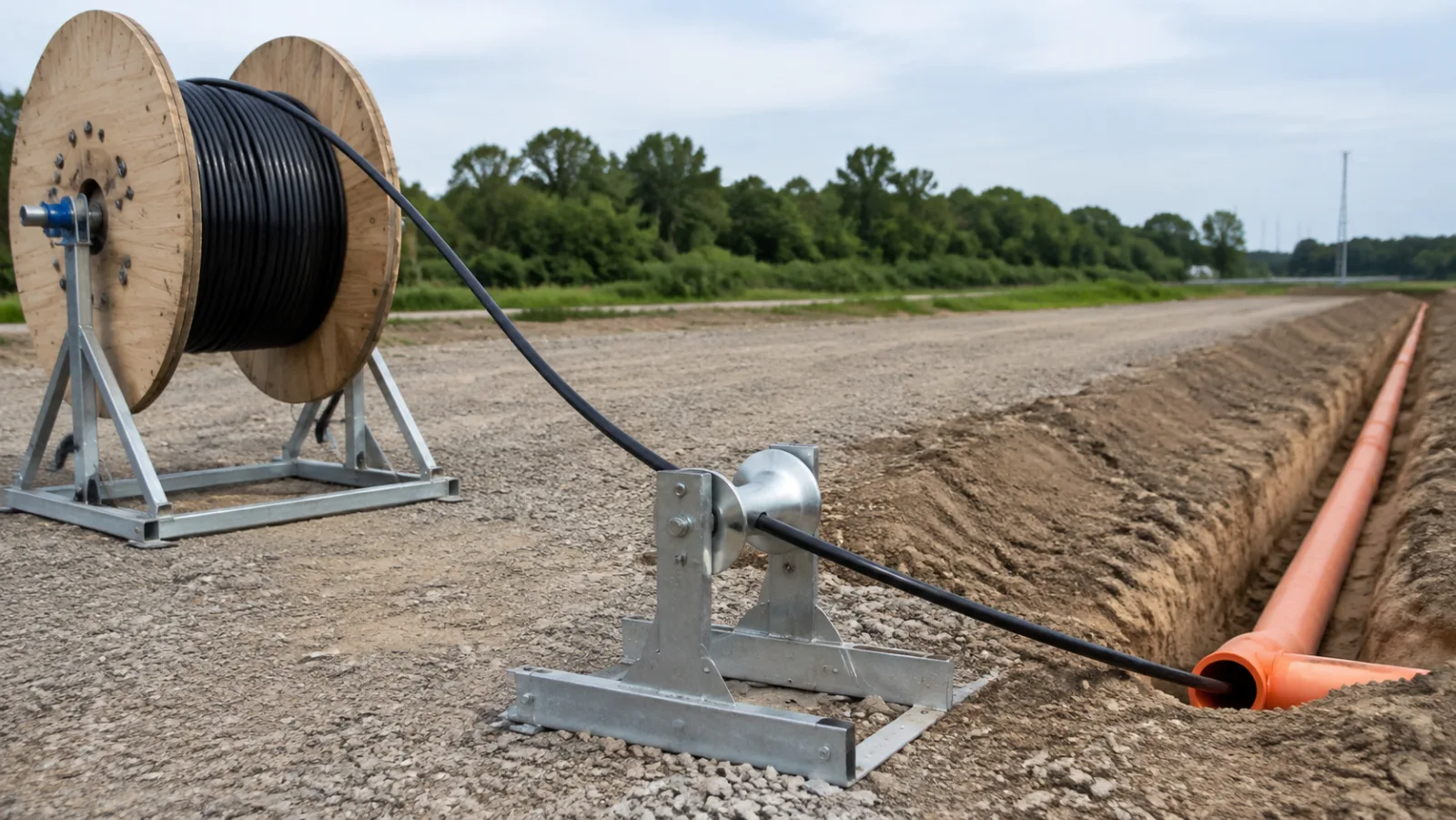
As the world races to expand broadband access, fiber optic networks are being deployed at unprecedented speed. According to the Fiber Broadband Association, fiber deployments continue to break records, with millions of homes passed each year. However, this rapid expansion brings a hidden risk: underground utility strikes. When a fiber cable is installed via trenching, plowing, or horizontal directional drilling (HDD), there is a chance of hitting existing utilities like gas lines, water pipes, or electric conduits.
Gas line strikes are particularly dangerous because they can lead to explosions, fires, and toxic exposure. In the WLTX report, the incident resulted in a gas leak that required emergency response and the evacuation of nearby residents. Fortunately, no injuries were reported, but the potential for catastrophe is real.
Why Do Fiber Installations Hit Gas Lines?
- Inaccurate Utility Locates: Despite legal requirements to call 811 (in the U.S.) before digging, utility markings are not always accurate. Sometimes lines are not mapped, or markings are misplaced.
- Insufficient Depth: Gas lines may be buried shallower than expected, especially older installations. Fiber cables typically require depths of 24–36 inches, but HDD can deviate from planned paths.
- Lack of Verification: Engineers sometimes rely solely on drawings without performing potholing (test holes) to physically verify the location of existing utilities.
- Pressure to Finish: In competitive broadband rollouts, crews may rush and skip safety steps.
Engineering Controls to Prevent Gas Line Strikes
Prevention starts with a robust engineering approach. Here are key measures every fiber-optic project should incorporate.
1. Comprehensive Utility Locating and Surveying
Before any digging, conduct a thorough utility survey. Use ground-penetrating radar (GPR) and electromagnetic locators to map all buried utilities. Combine this with existing records from the Fiber Optic Association and local one-call systems. Always request locates, and allow enough time for accurate marking.
2. Potholing and Hand Digging
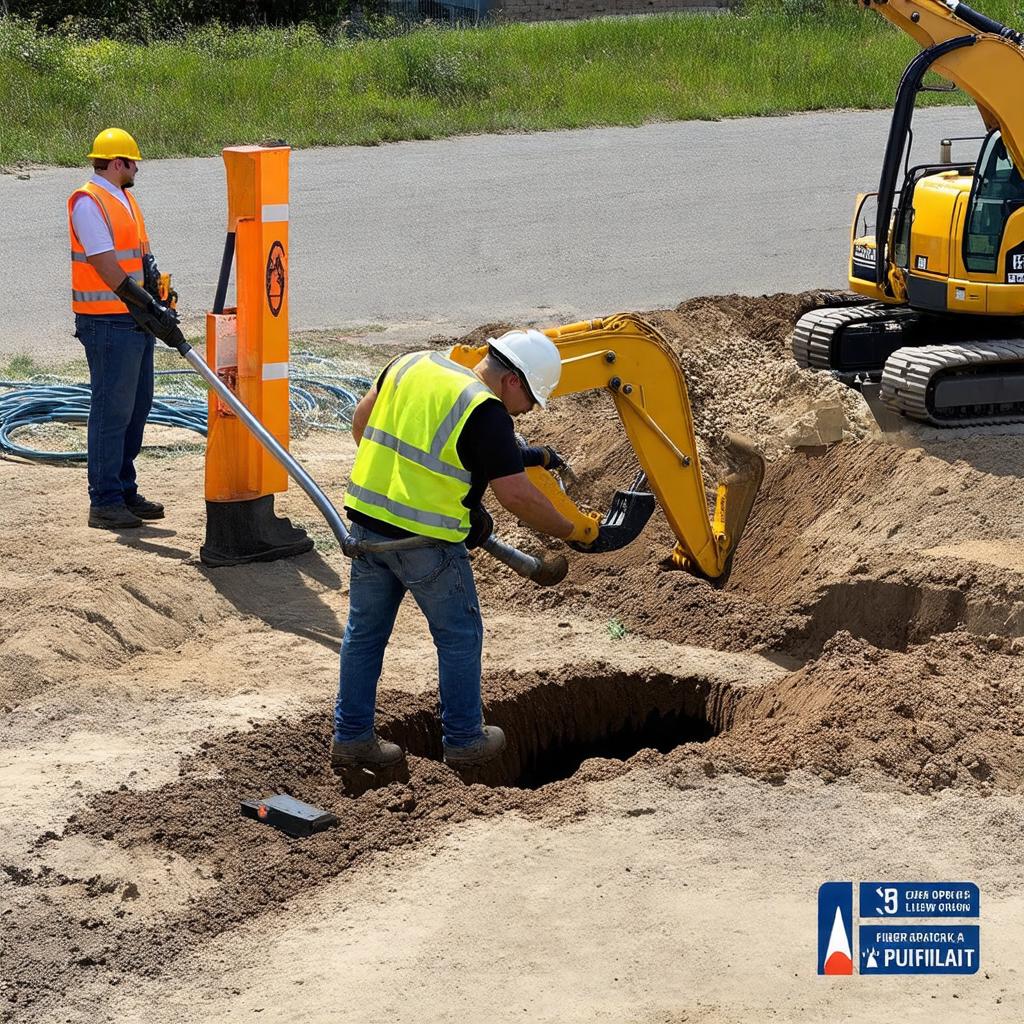
Where utility crossings are suspected, use vacuum excavation (potholing) to expose the lines. This is not optional—it is a best practice that prevents costly and dangerous mistakes. The cost of potholing is trivial compared to the liability of a gas line strike.
3. Design Routing to Avoid Conflicts
When designing the fiber route, use available utility maps to plan a path that minimizes crossings. Maintain safe separation distances from gas lines—typically 12–18 inches horizontally and 12 inches vertically. If crossings are unavoidable, plan to cross at right angles and use caution.
4. Horizontal Directional Drilling (HDD) Best Practices
HDD is often used for fiber installations because it minimizes surface disruption. However, HDD poses unique risks because the bore path is not visible. Use a steering tool with a locator to track the drill head in real time. Set a clearance target (e.g., 24 inches) from known utilities and stop if the signal is lost.
5. Real-Time Monitoring and Surveillance
During excavation, have a dedicated spotter who watches for signs of existing utilities, such as discolored soil or pavement cuts. Use remote monitoring for large projects, and have emergency procedures in place.
Standards and Regulations Governing Safe Excavation
Fiber-optic engineers must be familiar with national and international standards that govern underground construction. In the United States, the Common Ground Alliance (CGA) publishes Best Practices, and OSHA regulations under 29 CFR 1926 Subpart P address excavation safety. Internationally, the ITU-T L-series recommendations cover the construction and installation of optical fiber cables, emphasizing safe practices.
Specification Table: Recommended Separation Distances for Buried Fiber vs. Gas Lines
Below is a typical engineering guideline table (not a substitute for local codes). Always verify with your local regulations.
| Utility Type | Minimum Horizontal Separation | Minimum Vertical Separation | Notes |
|---|---|---|---|
| High-Pressure Gas (over 60 psi) | 24 inches | 18 inches | May require casing or concrete encasement |
| Low-Pressure Gas (under 60 psi) | 12 inches | 12 inches | Crossings at right angles preferred |
| Water/Sewer | 12 inches | 12 inches | Same as typical |
| Electric (direct buried) | 12 inches | 12 inches | Local codes may increase |
Note: These are illustrative values based on common utility practices. Always consult local authorities and the utility owner.
Case Study: Lessons from a Real Incident
In the Columbia incident, the fiber contractor was installing conduit using a directional drill when they struck a 2-inch polyethylene gas line. The line was marked, but the drill path deviated from the planned route. The result was a gas leak that required the fire department to shut off the gas and evacuate a block. The incident caused significant project delays and repair costs. This example highlights the importance of continuous tracking and the need to stop work if the drill head is not where it should be.
Procurement Considerations: Choosing the Right Cable and Duct
While safety is paramount, the choice of fiber optic cable and duct also affects installation safety. For example, using a rugged cable with a gel-free, all-dielectric design can reduce the risk of damage during pulling. If you are planning a fiber project, consider high-quality products from a reputable supplier. Liqiba offers a wide range of fiber optic cables and fiber optic products wholesale that meet industry standards. For specific components like patch cords, ensure they are compatible with your network design.
Training and Communication: The Human Factor
Even with the best engineering, human error can occur. Regular safety training for all crew members is essential. Ensure that every worker understands the importance of utility locates and knows how to respond to a gas leak. Clear communication between the design team, construction crew, and utility operators is critical. Hold pre-construction meetings to review utility maps and agree on safe work practices.
Conclusion
Fiber optic installation is essential for modern connectivity, but it must be done safely. By following established engineering practices, adhering to standards, and investing in proper training and materials, contractors can minimize the risk of damaging gas lines. The recent incident in Columbia serves as a stark reminder that safety cannot be compromised. For your next fiber project, choose reliable products and work with experienced professionals.
FAQ
1. What should I do if I hit a gas line during fiber installation?
Stop work immediately. Evacuate the area, call 911 and the gas company, and do not operate any equipment or create sparks. Follow your company’s emergency response plan.
2. How deep are fiber optic cables typically buried?
Direct-buried fiber cables are usually placed at a depth of 24 to 36 inches, depending on local codes and soil conditions. Aerial and duct installations vary.
3. Is horizontal directional drilling safe near gas lines?
Yes, if done correctly. HDD requires accurate locating, real-time tracking, and proper clearance from existing utilities. Always pothole at crossings.
4. What standards apply to fiber optic installation safety?
In the U.S., OSHA regulations and CGA Best Practices apply. Internationally, ITU-T L-series recommendations provide guidance. Also, the IEC has standards for cable quality.
5. Can fiber optic cable damage gas lines if installed too close?
Yes, the digging process itself can strike a gas line. Even without direct contact, excessive soil compaction or heat from HDD could potentially damage a pipe. Maintain safe distances.
6. How can I ensure my fiber installation crew is safe?
Provide regular safety training, enforce the use of utility locate services, require potholing at crossings, and have emergency procedures in place.
Frequently Asked Questions
What should I do if I hit a gas line during fiber installation?
Stop work immediately. Evacuate the area, call 911 and the gas company, and do not operate any equipment or create sparks. Follow your company's emergency response plan.
How deep are fiber optic cables typically buried?
Direct-buried fiber cables are usually placed at a depth of 24 to 36 inches, depending on local codes and soil conditions. Aerial and duct installations vary.
Is horizontal directional drilling safe near gas lines?
Yes, if done correctly. HDD requires accurate locating, real-time tracking, and proper clearance from existing utilities. Always pothole at crossings.
What standards apply to fiber optic installation safety?
In the U.S., OSHA regulations and CGA Best Practices apply. Internationally, ITU-T L-series recommendations provide guidance. Also, the IEC has standards for cable quality.
Can fiber optic cable damage gas lines if installed too close?
Yes, the digging process itself can strike a gas line. Even without direct contact, excessive soil compaction or heat from HDD could potentially damage a pipe. Maintain safe distances.
How can I ensure my fiber installation crew is safe?
Provide regular safety training, enforce the use of utility locate services, require potholing at crossings, and have emergency procedures in place.
Related: Why Fiber Optic Stocks Are Surging: A Buyer's Guide to the Optical Fiber Rally