ADSS vs OPGW Fiber Cable: The Short Answer
When choosing between ADSS (All-Dielectric Self-Supporting) and OPGW (Optical Ground Wire) fiber optic cables for aerial networks, the decision comes down to whether you need a combined ground/optical conductor or a standalone all-dielectric cable. OPGW integrates optical fibers into an overhead ground wire, serving a dual function; ADSS is a fully dielectric cable that can be installed on existing structures without electrical continuity. For most utility and telecom projects, the choice hinges on electrical requirements, structural loading, and installation constraints.
Precise Definitions and Core Differences
What Is OPGW?
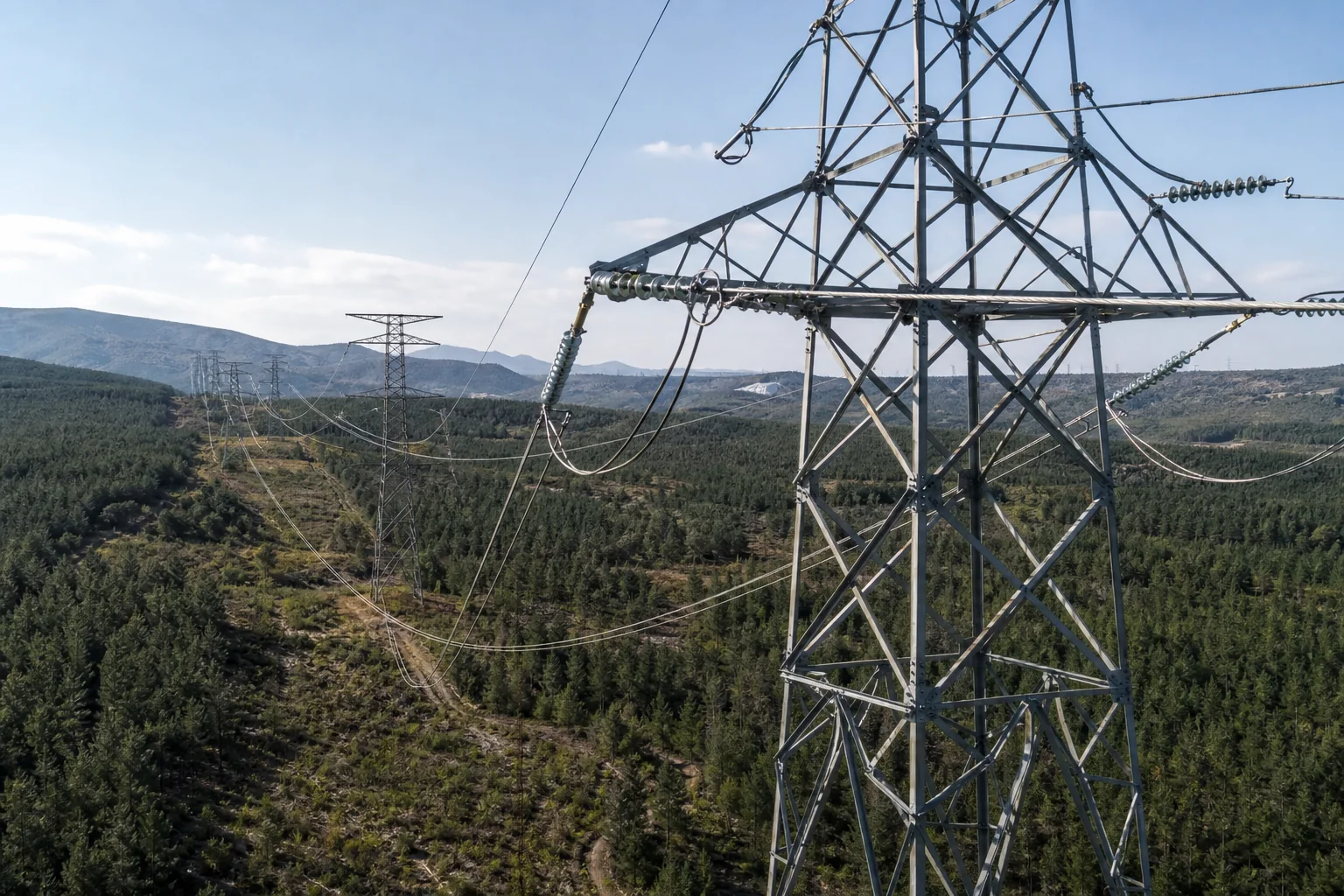
OPGW is a type of overhead cable that combines the functions of a ground wire (shield wire) and a fiber optic communication link. It consists of optical fibers housed within a protective structure, typically surrounded by aluminum-clad steel wires or aluminum alloy wires. The cable is designed to be electrically conductive and is installed at the top of transmission towers, serving as a lightning shield and a path for fault currents.
What Is ADSS?
ADSS is a self-supporting fiber optic cable made entirely of dielectric (non-metallic) materials. It contains no metallic components, which makes it immune to electromagnetic interference and eliminates the need for grounding. ADSS cables are designed to be installed on existing utility poles or transmission towers, often in the same corridor as power lines, without the need for electrical isolation.
Key Technical Differences
- Electrical Conductivity: OPGW is conductive and serves as a ground wire; ADSS is non-conductive.
- Installation Environment: OPGW is typically used on new or upgraded transmission lines where a ground wire is required; ADSS can be added to existing structures without affecting electrical performance.
- Mechanical Strength: OPGW has high tensile strength due to metallic components, suitable for long spans; ADSS relies on aramid yarns and is designed for spans up to a few hundred meters, depending on wind and ice loads.
- Fiber Count: Both can support high fiber counts, but OPGW often has lower fiber counts due to space constraints within the metallic structure.
When the ADSS vs OPGW Question Matters
This decision is critical during the planning phase of any aerial fiber network, especially for utilities, telecom providers, and infrastructure developers. You need to answer this question when:
- You are designing a new overhead transmission line and need a ground wire that also carries communication fibers.
- You want to add fiber optic capacity to an existing power line without replacing the ground wire.
- You are deploying a fiber-to-the-tower (FTTT) network and need to connect cell towers along power corridors.
- You are upgrading a substation communication network and require a reliable, high-bandwidth link between facilities.
Choosing the wrong cable type can lead to safety hazards, regulatory non-compliance, or excessive costs. For instance, using ADSS on a line that requires a ground wire would leave the line unprotected against lightning strikes. Conversely, installing OPGW on an existing structure not designed for its weight could overload the poles or towers.
Core Technical Differences in Depth
Electrical and Safety Considerations
OPGW is designed to handle fault currents and lightning strikes, providing a low-impedance path to ground. Its metallic components must be properly grounded at every structure. ADSS, being all-dielectric, does not conduct electricity, which eliminates the risk of induced voltages and makes it safer to handle during installation and maintenance. However, ADSS must be installed with proper clearance from power conductors to avoid dry-band arcing, especially in polluted environments.
Mechanical and Environmental Performance
OPGW cables are engineered to withstand the mechanical loads of a transmission line, including ice, wind, and vibration. They have a high tensile strength and are often used on spans exceeding 500 meters. ADSS cables are lighter and more flexible, but their span length is limited by sag and tension calculations. For long spans, ADSS may require additional supports or a heavier construction, which can increase costs.
Installation and Maintenance
OPGW installation requires specialized equipment and trained crews because it involves live-line work and coordination with the electrical grid. ADSS installation is simpler and can often be done without de-energizing the power lines, as long as safe clearances are maintained. Maintenance for OPGW includes periodic inspection of splices and grounding connections; ADSS requires less frequent maintenance but may need cleaning to prevent contamination.
Cost and Lifecycle
OPGW tends to have a higher initial material cost due to the metallic components, but it eliminates the need for a separate ground wire, which can offset some costs in new builds. ADSS is generally less expensive per meter, but installation costs can rise if existing structures need reinforcement. Both cables have a design life of 30+ years, but OPGW may be more susceptible to corrosion in coastal areas, while ADSS can suffer from UV degradation if not properly jacketed.
In summary, the choice between ADSS and OPGW is not a simple one-size-fits-all. It requires a thorough analysis of your network’s electrical requirements, structural constraints, and long-term operational goals. By understanding the core technical differences, you can make an informed decision that balances performance, safety, and cost.
ADSS vs OPGW Fiber Cable: Side-by-Side Comparison Table
To make the ADSS vs OPGW fiber cable decision clearer, the table below summarizes the most important engineering and commercial factors. Values marked “typical” are common in practice but not mandated by standards; always verify with the cable manufacturer and project specifications.
| Parameter | ADSS | OPGW |
|---|---|---|
| Primary function | Dedicated fiber-optic cable | Combines ground wire (shield) and fiber-optic cable |
| Electrical role | None (dielectric, non-conductive) | Conducts fault current and acts as lightning shield |
| Typical installation span | Up to 100–150 m (typical, can be longer with special designs) | Matches power line spans, often 200–500 m |
| Voltage proximity | Must maintain safe clearance from live conductors; designed for specific electric field strength | Installed on the topmost position of the tower, directly connected to high-voltage conductors |
| Mechanical strength | Strength members (e.g., aramid yarns) provide tensile strength; sag/tension calculations required | Aluminum-clad steel or aluminum alloy wires provide high tensile strength and sag performance |
| Fiber capacity | Typical 12–48 fibers, but higher counts possible | Typical 12–72 fibers, but higher counts possible |
| Grounding requirement | No grounding needed (non-conductive) | Must be grounded at every tower or as per utility practice |
| Installation complexity | Requires careful handling to avoid contact with conductors; often installed with tension stringing | Installed like a traditional ground wire; requires specialized hardware and tensioning |
| Relative cost (typical) | Lower cable cost; but may require additional hardware for clearance | Higher cable cost; but may replace existing ground wire, offsetting some cost |
| Typical applications | Distribution lines, lower-voltage transmission lines, or where no ground wire exists | High-voltage transmission lines, especially where a new ground wire is needed |
Note: Standards such as IEC 60794-1 for optical cables and IEEE 1138 for OPGW define performance requirements, but specific span lengths and fiber counts are project-specific.
Decision Criteria: How to Choose Between ADSS and OPGW
When evaluating ADSS vs OPGW fiber cable, the decision hinges on a few key factors. Use the following criteria as a checklist.
1. Existing Infrastructure
- Is there already a ground wire? If yes, replacing it with OPGW is often straightforward and cost-effective. If no, ADSS may be simpler because it does not require electrical integration.
- Voltage level: OPGW is typically used on high-voltage (HV) and extra-high-voltage (EHV) lines. ADSS is common on distribution lines (e.g., 11 kV to 33 kV) and some lower-voltage transmission lines.
2. Electrical and Safety Requirements
- Fault current and lightning protection: OPGW is designed to carry fault current and provide shielding. If the existing ground wire must be maintained, OPGW is the natural choice.
- Induced voltages: ADSS must be installed at a safe distance from live conductors to avoid dry-band arcing. This is a critical design consideration.
3. Mechanical and Environmental Conditions
- Span length and sag: OPGW can handle longer spans due to its metallic construction. ADSS may require more supports or shorter spans.
- Ice and wind loading: Both cables must be rated for local conditions. OPGW typically has higher tensile strength, but ADSS with aramid yarns can also be engineered for severe loads.
4. Cost and Lifecycle
- Initial cost: ADSS is often cheaper per meter, but installation hardware and clearance requirements may add cost.
- Maintenance: OPGW requires grounding and periodic inspection of the metallic components. ADSS is maintenance-free electrically but may need sag checks.
- Future upgrades: Both can be designed with extra fibers for future capacity.
Worked Example: Choosing for a 110 kV Transmission Line
Let’s apply the criteria to a realistic scenario.
Situation: A utility needs to add fiber-optic communication to an existing 110 kV transmission line. The line has an existing steel ground wire that is nearing the end of its life. Span lengths average 300 m, and the area experiences moderate ice loading.
Evaluation:
- Existing ground wire: Since a ground wire already exists, replacing it with OPGW is a natural fit. This avoids the need for additional hardware and maintains the line’s lightning protection.
- Voltage level: 110 kV is considered HV, where OPGW is commonly used. ADSS could be used, but it would require careful clearance calculations and might be less cost-effective because you would still need a ground wire.
- Mechanical: The 300 m spans are well within OPGW’s typical capability. ADSS could handle them, but the required sag and clearance might necessitate taller poles or additional supports, increasing cost.
- Cost: While OPGW cable itself is more expensive, the cost of installing a separate ADSS plus maintaining the existing ground wire would likely be higher in this case.
Decision: Choose OPGW. It replaces the aging ground wire, provides fiber connectivity, and meets the mechanical and electrical requirements efficiently.
Selection Guidance: A Simple Flowchart Approach
If you are still unsure, follow this step-by-step logic.
- Is there an existing ground wire that needs to be replaced or upgraded? If yes, OPGW is usually the best choice.
- Is the line voltage above 69 kV? If yes, OPGW is more common; if no, ADSS is often used.
- Are span lengths greater than 150 m? If yes, OPGW is typically preferred due to its strength; ADSS may still work but requires more engineering.
- Are there clearance or electric field concerns? If the ADSS would be too close to live conductors, OPGW is safer.
- If none of the above apply, ADSS may be the more economical choice.
Always consult with cable manufacturers and follow relevant standards (e.g., IEC, IEEE) to ensure a safe and reliable design. The final decision should be based on a detailed engineering study, not just a simple rule of thumb.
Installation and Testing Implications
Choosing between ADSS and OPGW affects not only the cable itself but also the installation crew, equipment, and testing procedures. Understanding these practical differences early can prevent costly delays and rework.
Installation Practices for ADSS
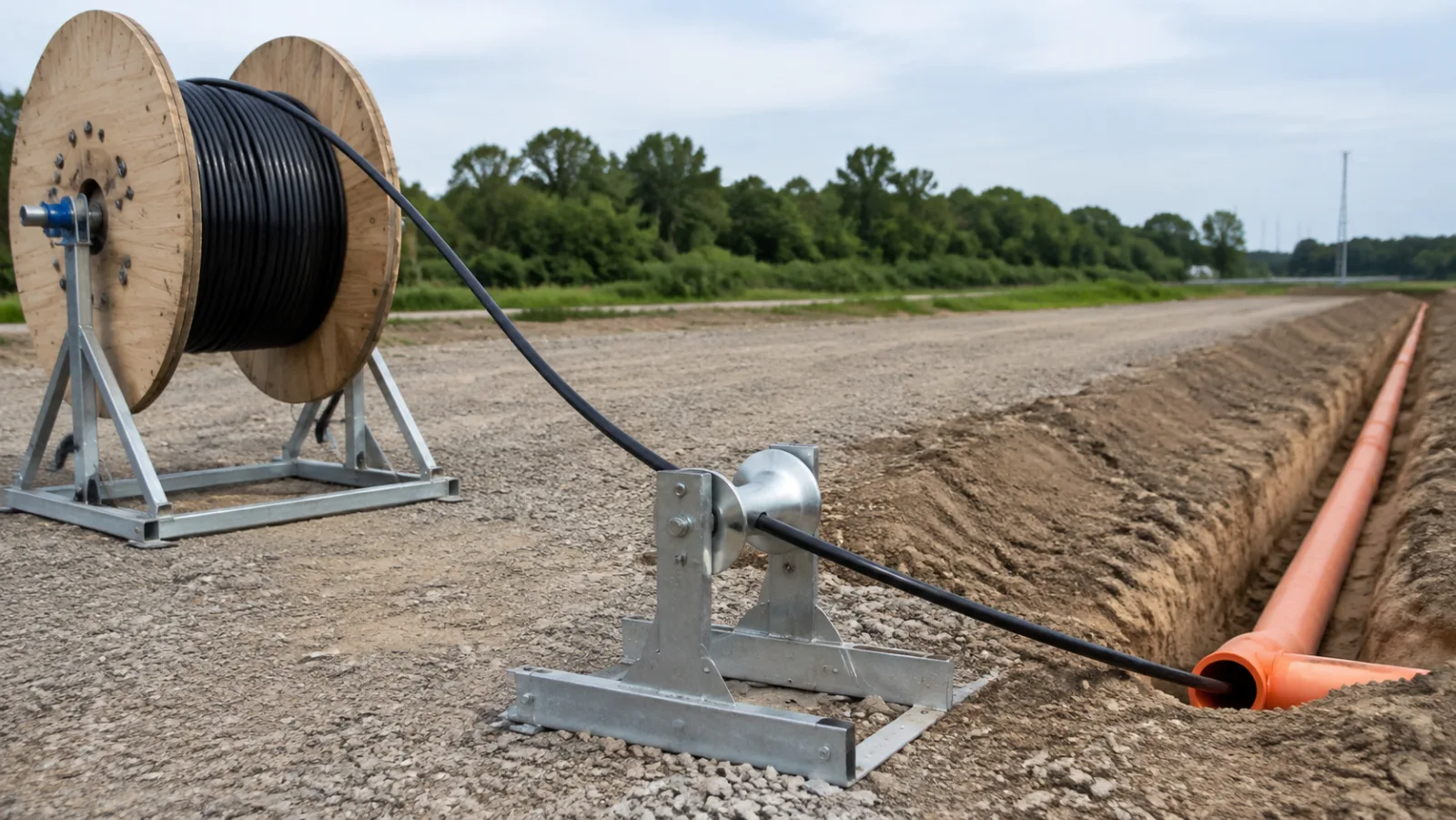
ADSS is designed to be installed on existing overhead lines without interrupting service. Because it is an all-dielectric cable, it can be pulled over pulleys and attached to poles or towers using standard hardware. However, the installation crew must be careful to avoid abrasion to the outer sheath, especially at sharp bends or where the cable crosses other conductors.
Key installation steps include:
- Route survey: Verify clearances and identify any points where the cable could rub against structures.
- Pulley placement: Use appropriately sized pulleys to maintain the minimum bend radius during pulling.
- Attachment: Install spiral vibration dampers or other hardware as specified by the engineer to prevent wind-induced motion.
- Sagging: Adjust tension to achieve the design sag, which must account for temperature and ice loading.
One common mistake is using metallic lashing or clamps that can damage the dielectric sheath. Always use non-metallic hardware designed for ADSS.
Installation Practices for OPGW
OPGW replaces a traditional ground wire, so its installation is typically part of a transmission line construction or upgrade project. It must be handled with the same care as a conductor, and the installation crew must be qualified to work on live or de-energized high-voltage lines.
Critical installation points:
- Continuity of the ground path: Every splice must maintain electrical continuity; otherwise, the shield function is compromised.
- Dead-end and suspension assemblies: These must be rated for the full mechanical load of the cable, including ice and wind.
- Earthing: Proper earthing of the OPGW at each tower is mandatory to ensure safety and lightning protection.
A frequent error is neglecting to verify the compatibility of the OPGW’s outer diameter with existing clamps and hardware when retrofitting. Always check hardware specifications before installation.
Testing After Installation
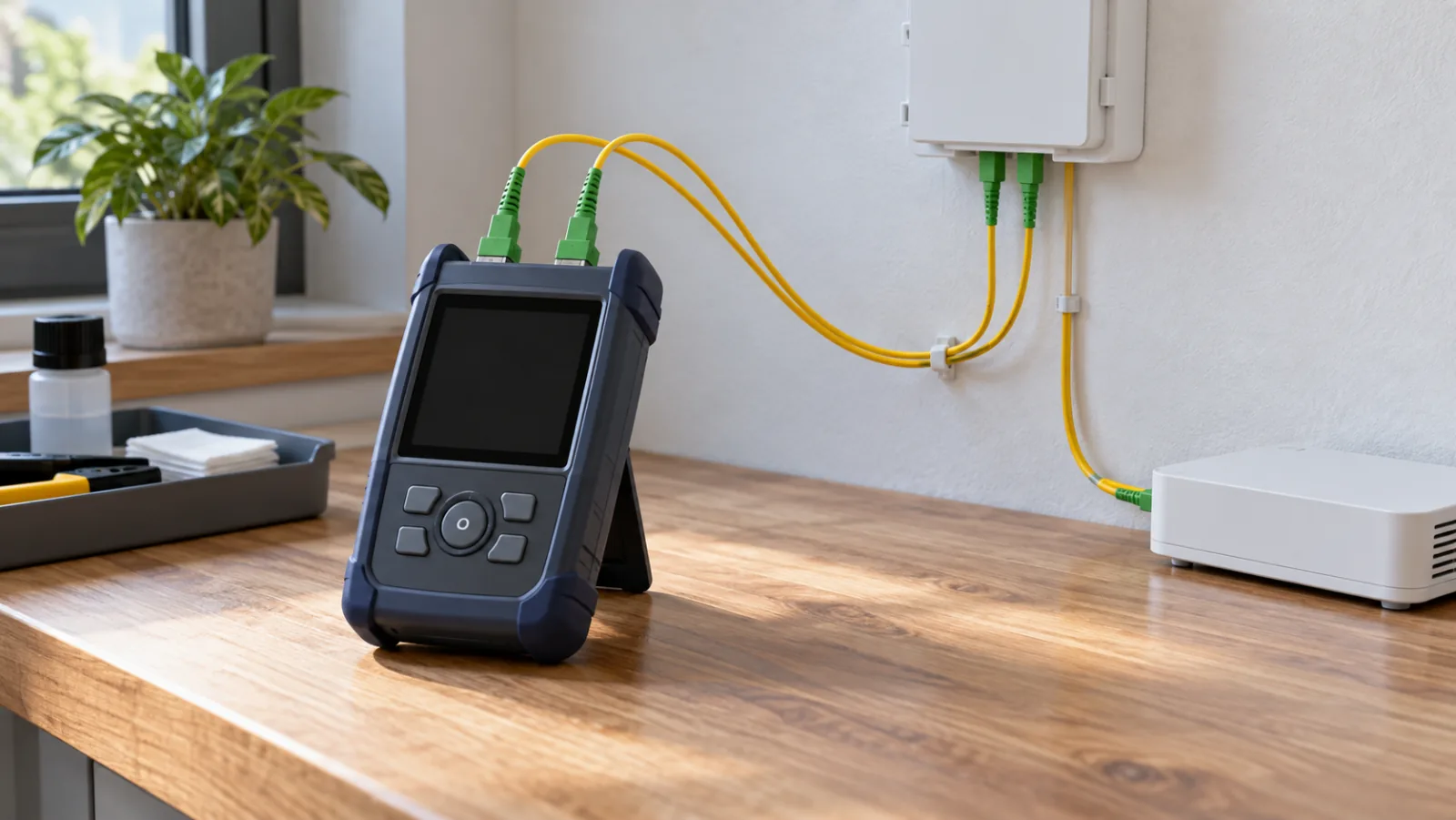
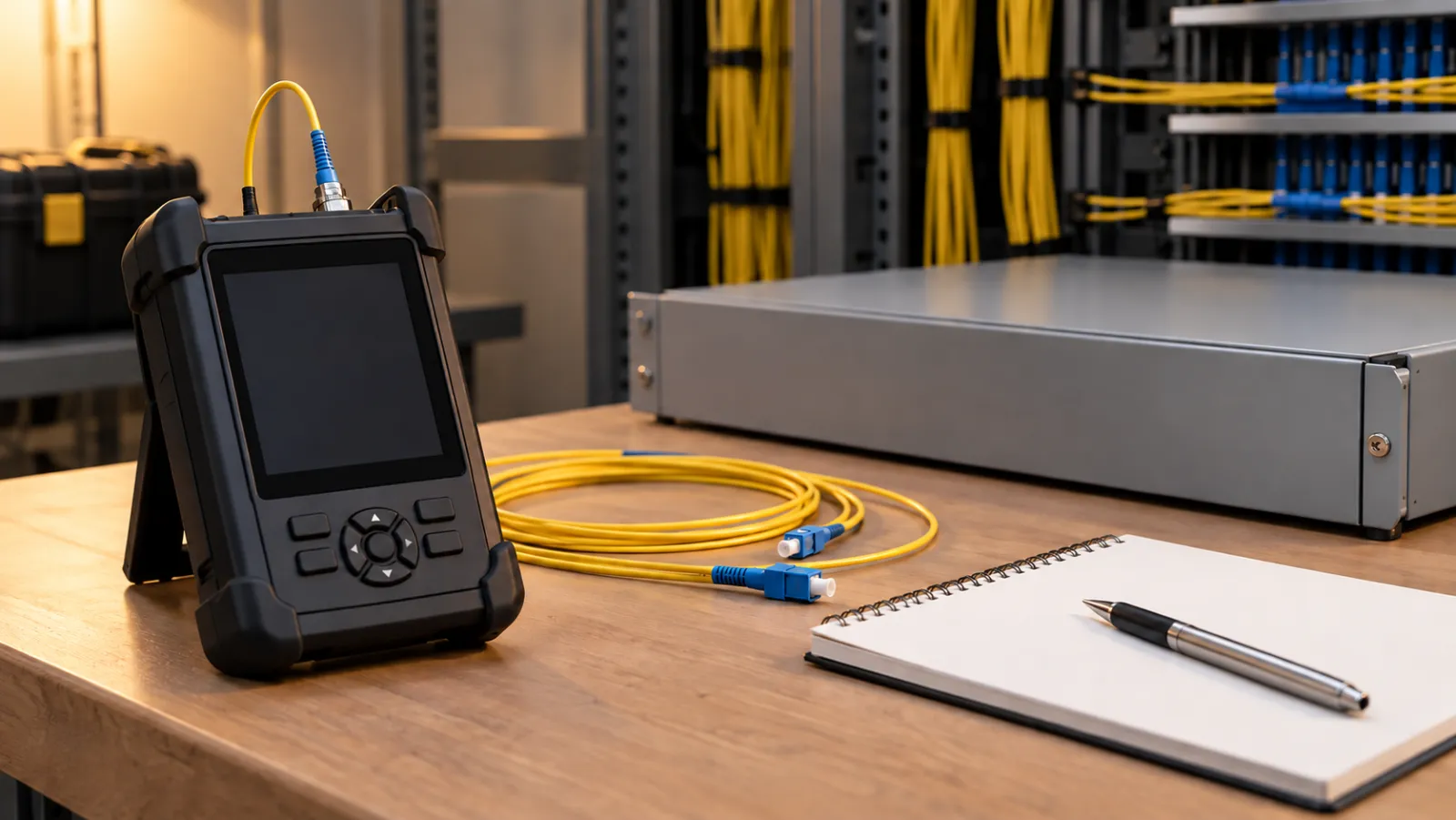
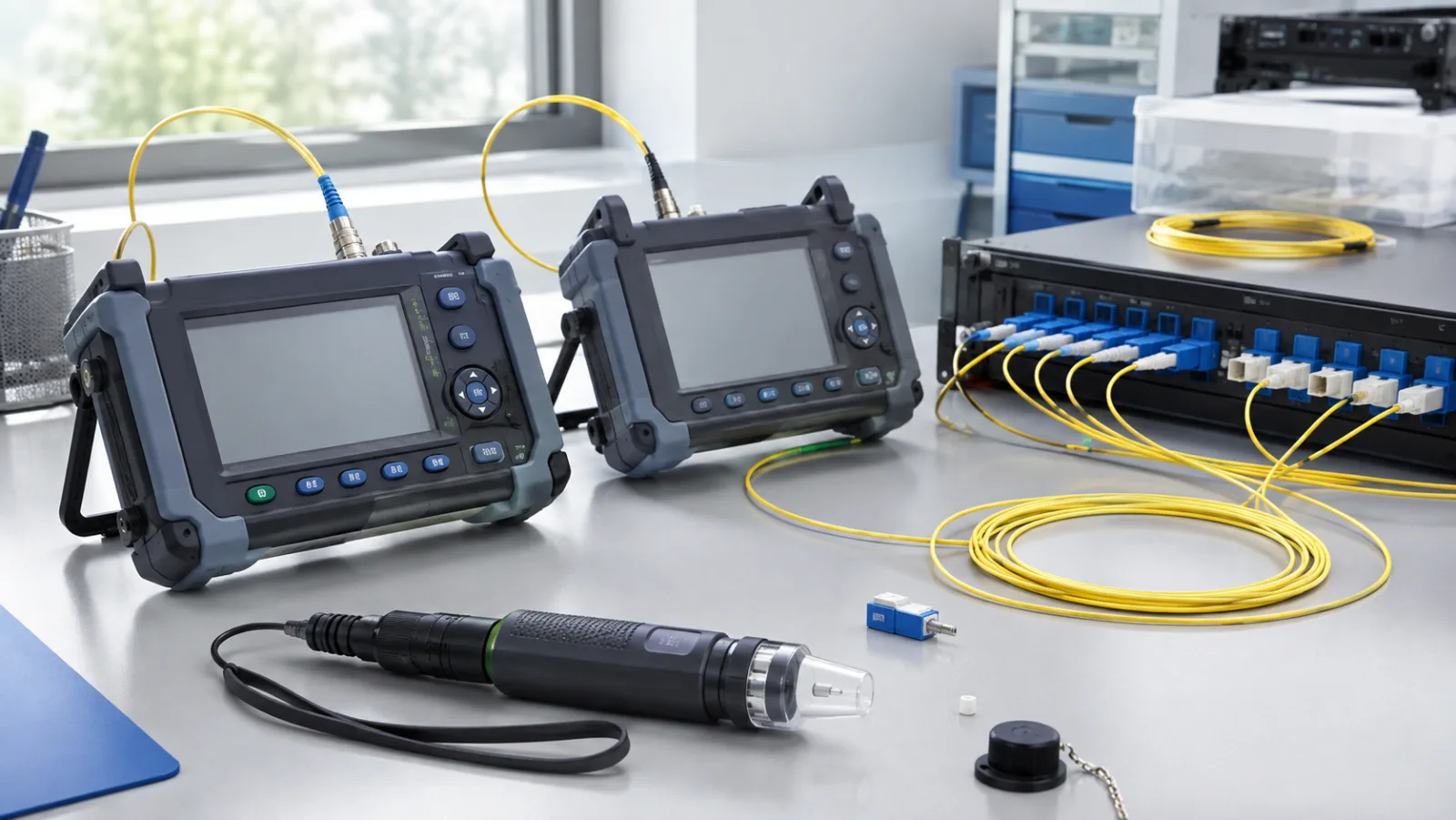
Both cable types require optical time-domain reflectometer (OTDR) testing after installation to confirm that fiber attenuation is within acceptable limits and that no fibers were damaged during pulling. For OPGW, additional electrical tests are necessary:
- Ground continuity test: Ensures the metallic components form a continuous path.
- Insulation resistance test: Checks that the cable’s insulation is intact, especially after splicing.
These tests are not standardized by a single international norm, but they follow common utility practices. Always refer to the cable manufacturer’s recommendations and the project specification.
Common Mistakes and How to Avoid Them
Even experienced engineers can fall into traps when selecting or installing ADSS or OPGW. Here are the most frequent pitfalls:
Mistake 1: Ignoring the Electrical Environment
ADSS is non-conductive, but it still operates in the electric field of nearby power lines. Over time, dry-band arcing can degrade the cable if the tracking resistance of the outer sheath is insufficient. Always specify an appropriate track-resistant jacket for the voltage level and pollution environment.
Mistake 2: Overlooking Mechanical Loads
Both cables must withstand wind, ice, and temperature variations. Using a cable with inadequate tensile strength can lead to excessive sag or even failure. Check the maximum allowable working tension and compare it with the calculated loads for your specific span.
Mistake 3: Assuming OPGW Is Always the Best Choice
OPGW is excellent for new transmission lines, but it is not always suitable for retrofitting an existing line with low ground clearance. ADSS can be installed below the live conductors, avoiding the need to de-energize the line, which is a major operational advantage.
Mistake 4: Poor Splice Planning
Every splice adds loss and is a potential failure point. Plan splice locations carefully, and ensure that the splice closure is rated for the environment (e.g., waterproof, UV-resistant). For OPGW, the splice must also maintain electrical continuity.
Buyer Checklist and Practical Recommendation
Use this checklist when evaluating ADSS vs OPGW fiber cable for your project:
- Line voltage and fault current: If the line is above 110 kV or has high fault currents, OPGW is often preferred because it can handle induced currents and provide a low-resistance ground path.
- Existing infrastructure: If you are adding fiber to an existing line without replacing the ground wire, ADSS is usually the only practical option.
- Clearance and right-of-way: ADSS can be installed lower on the structure, but check that it does not violate minimum clearance regulations.
- Mechanical loading: Calculate the maximum span length and required tensile strength. Both cable types have limits; choose the one that fits your span profile.
- Installation cost and downtime: ADSS can often be installed without de-energizing the line, saving significant costs. OPGW installation typically requires a planned outage or careful live-line work.
- Future expansion: Consider the number of fibers needed now and in the future. Both cable types can be ordered with various fiber counts.
- Testing and maintenance: OPGW requires electrical testing in addition to optical testing, which may add to maintenance complexity.
Practical Recommendation
For most new transmission lines above 110 kV, OPGW is the industry standard because it combines the ground wire function with high-fiber-count communications. However, for distribution lines, lower-voltage subtransmission lines, or retrofits where the existing ground wire is in good condition, ADSS offers a cost-effective and less disruptive solution.
Always consult with a structural engineer to verify that your poles or towers can support the additional load of the new cable. And never compromise on the quality of hardware and accessories—they are as important as the cable itself.
Conclusion: Making the Final Choice
The ADSS vs OPGW fiber cable decision ultimately comes down to your specific application, budget, and operational constraints. There is no universal “best” option; the right choice depends on a careful analysis of electrical, mechanical, and installation factors.
If you are still uncertain, a practical approach is to request a detailed proposal from reputable manufacturers, including technical specifications and installation guidelines. This will help you compare apples to apples and make an informed decision that ensures reliable, long-term performance for your aerial fiber network.
Frequently Asked Questions
What are the main differences between ADSS and OPGW fiber optic cables for aerial networks?
ADSS (All-Dielectric Self-Supporting) is a non-metallic cable that is installed on existing poles or towers, independent of power lines. OPGW (Optical Ground Wire) integrates optical fibers into the overhead ground wire, serving as both a lightning shield and communication line. OPGW is typically used on high-voltage transmission lines, while ADSS is suitable for lower-voltage distribution or communication-only routes.
How do I choose between ADSS and OPGW for my aerial network project?
Consider the existing infrastructure and voltage levels. If you need to add fiber to an existing transmission line without replacing the ground wire, ADSS is often easier and cheaper. If you are building new high-voltage lines or need to replace the ground wire, OPGW is a dual-purpose solution. Also evaluate factors like span length, sag, ice/wind loading, and electromagnetic interference.
Can ADSS cable be installed on the same towers as high-voltage power lines?
Yes, ADSS can be installed on power towers, but it must be positioned in a low electric field zone to avoid dry-band arcing. The cable's sheath must be rated for the electrical environment. Typically, ADSS is installed below the phase conductors or on a separate messenger. Always consult the cable manufacturer and follow IEC/Telecordia guidelines for clearance and field strength calculations.
What are the key installation differences between ADSS and OPGW?
OPGW is installed as part of the overhead ground wire, requiring specialized stringing equipment and tensioning to meet sag and clearance requirements. ADSS is installed with its own hardware, such as helical fittings and suspension clamps, and is tensioned to a specified sag. ADSS is lighter and easier to handle, but both require careful attention to minimum bending radius and pulling tension.
How do I test ADSS and OPGW cables after installation?
After installation, perform OTDR (Optical Time-Domain Reflectometer) testing to verify fiber continuity, splice loss, and overall link loss. For OPGW, also verify the continuity of the ground wire and its resistance. For ADSS, check for any sheath damage. Additionally, conduct a visual inspection of hardware and sag. Use appropriate test procedures per IEC 60794 and IEEE 1234.
What are the procurement considerations for ADSS vs OPGW?
Specify the fiber count, type (e.g., G.652D), and operating wavelength. For OPGW, define the short-circuit current capacity and the ratio of optical fiber to metallic cross-section. For ADSS, specify the span length, wind/ice loading, and required dielectric strength. Ensure suppliers provide detailed datasheets and compliance with relevant standards (IEC, IEEE). Also consider lead time and cost per fiber-km.
Complete topic guide: Fiber Optic Cable Types: The Complete Selection Guide.