When a fiber optic cable is accidentally cut, the impact can be immediate and widespread. In a recent incident in Converse and Natrona County, Wyoming, a damaged fiber line caused a network outage that affected local services, highlighting how vulnerable even modern communication networks can be to a single point of failure. While the source article focuses on the event itself, this article takes an engineering perspective: what are the common causes of fiber outages, how do they propagate, and—most importantly—how can network operators and infrastructure buyers reduce the risk and minimize downtime?
Why a Single Fiber Cut Can Disrupt an Entire Region
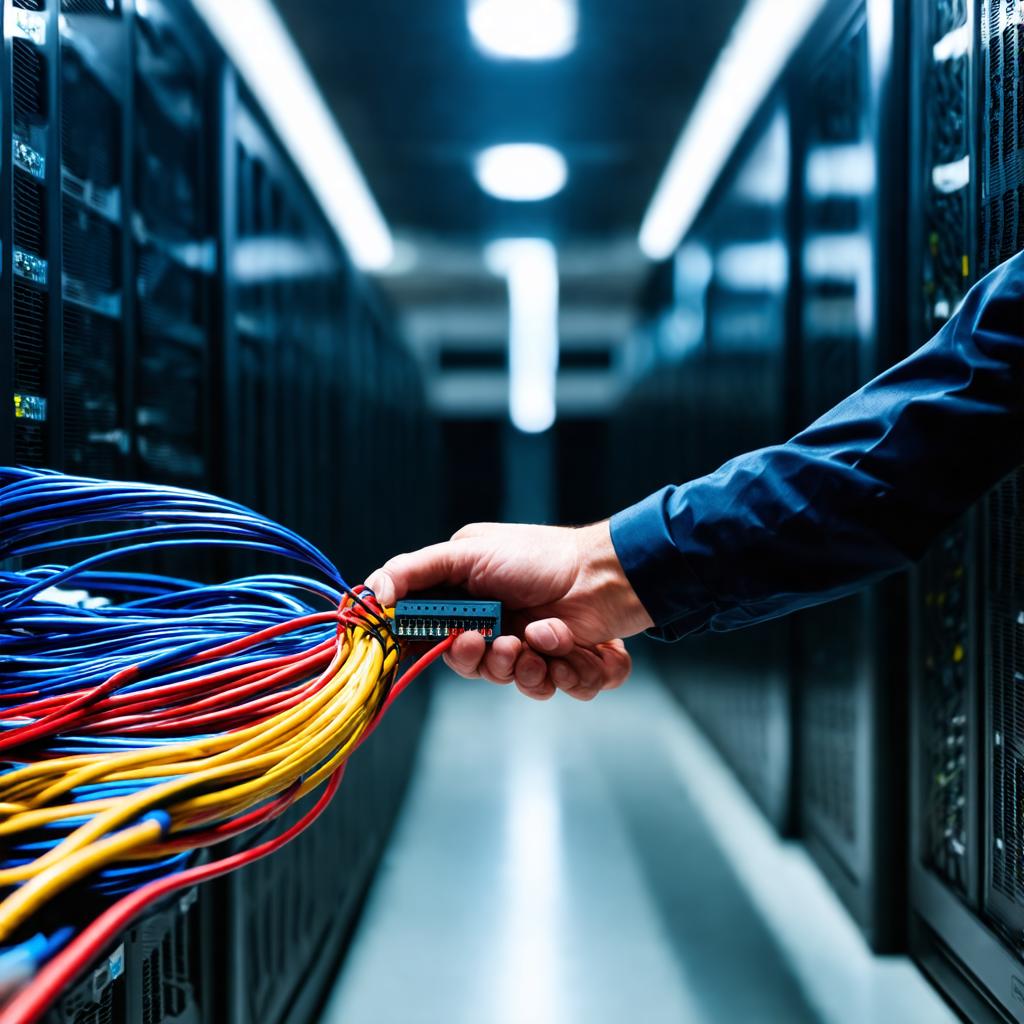
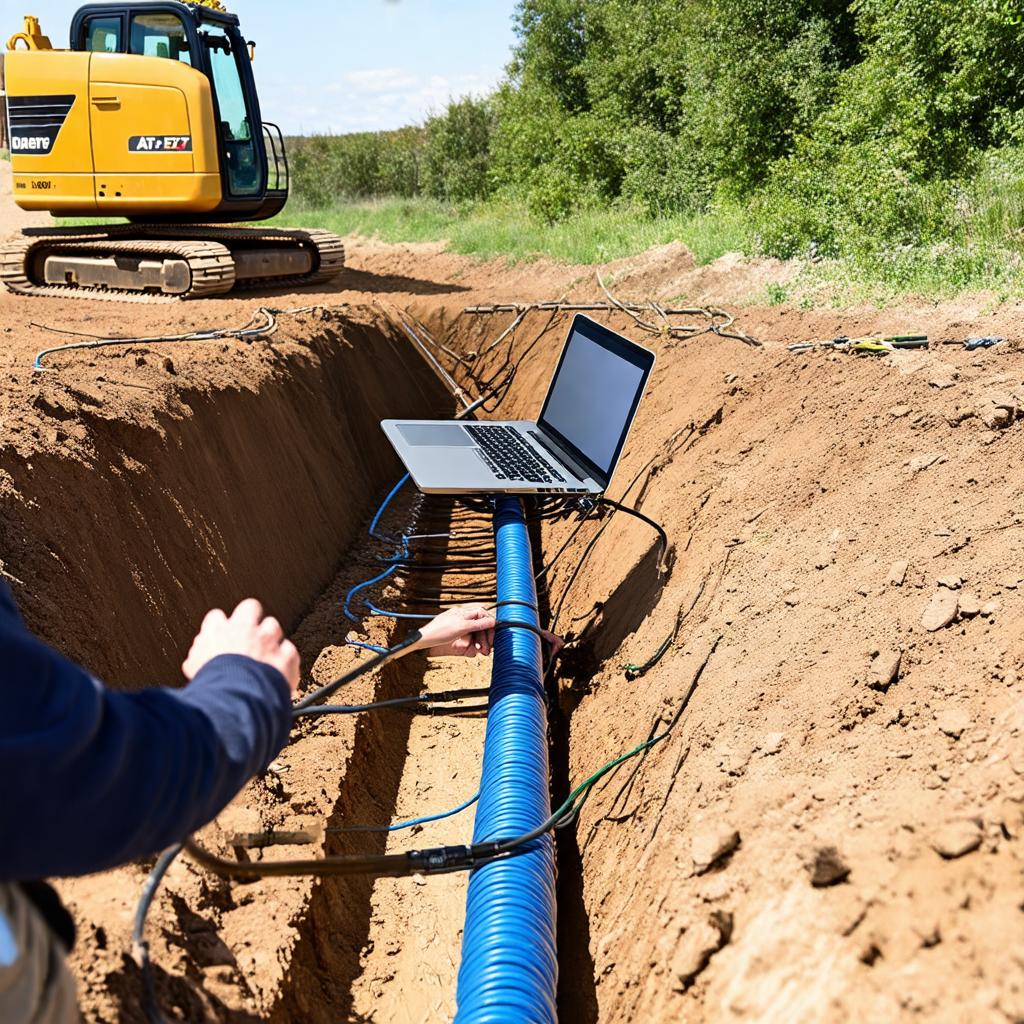
Fiber optic cables are remarkably durable, but they are not indestructible. Construction digging, vehicle accidents, animal gnawing, and even extreme weather can damage cables. When a cable is severed, the optical signal is interrupted, and all services that rely on that link—telephone, internet, and data—are lost. The severity depends on the network topology. If a network relies on a single fiber route, a cut means total outage. In the Wyoming case, the outage affected multiple counties, suggesting that the damaged cable was a critical backbone link.
The Role of Network Topology
Redundancy is the key factor that determines whether a cable cut causes a complete outage or a brief service degradation. Networks designed with ring or mesh topologies can reroute traffic through alternative paths. In contrast, a point-to-point link without backup paths is a single point of failure. For regional networks, this is a critical design consideration.
Common Causes of Fiber Cuts
- Excavation and Construction: The most frequent cause is accidental digging. Even with call-before-you-dig services, mistakes happen.
- Natural Disasters: Floods, landslides, and ice storms can shift soil and stress cables.
- Vandalism and Theft: Copper cables have been stolen, but fiber is also targeted for its perceived value.
- Animal Damage: Rodents have been known to gnaw on cables, especially in rural areas.
How Fiber Optic Outages Are Detected and Repaired
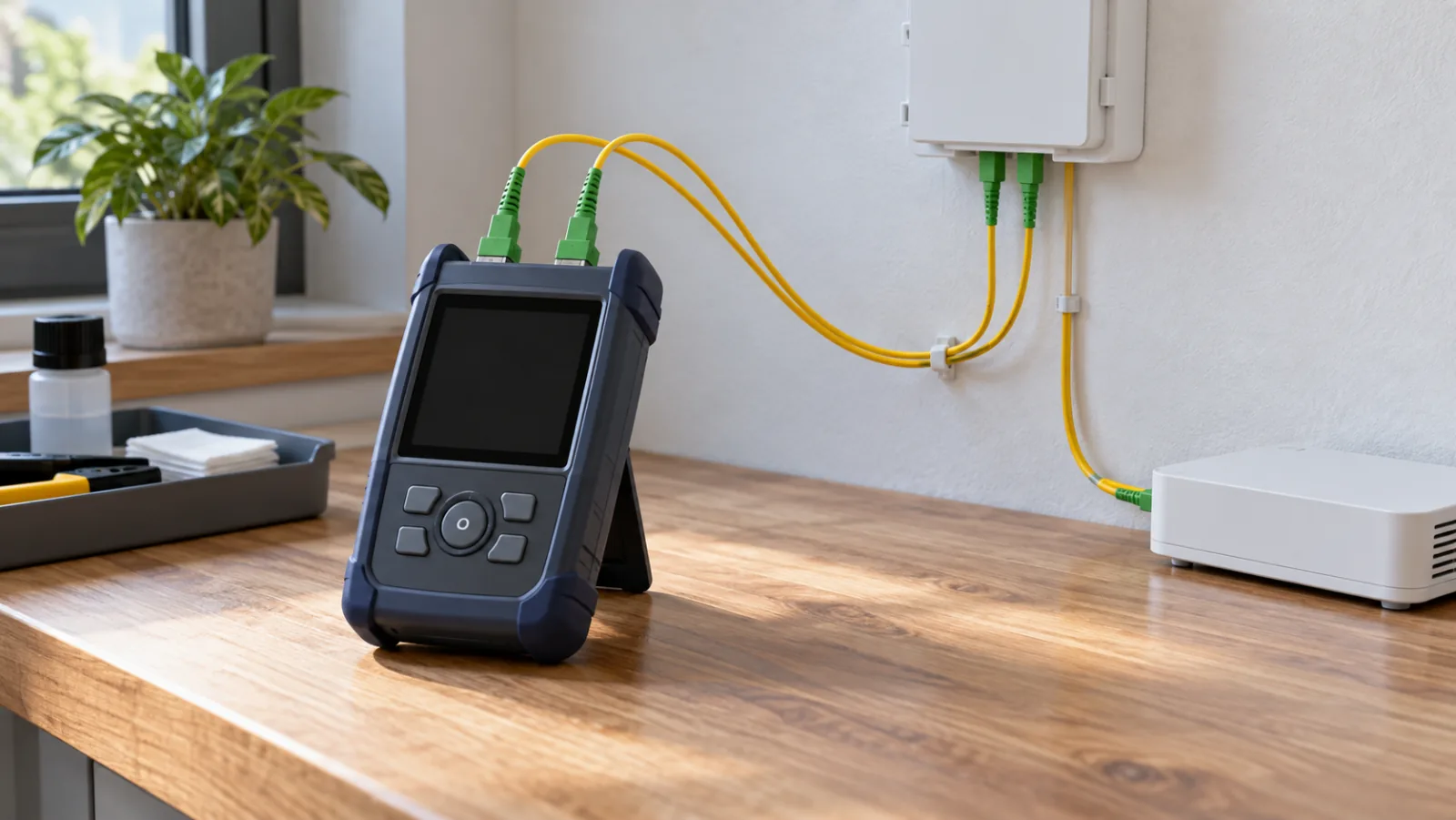
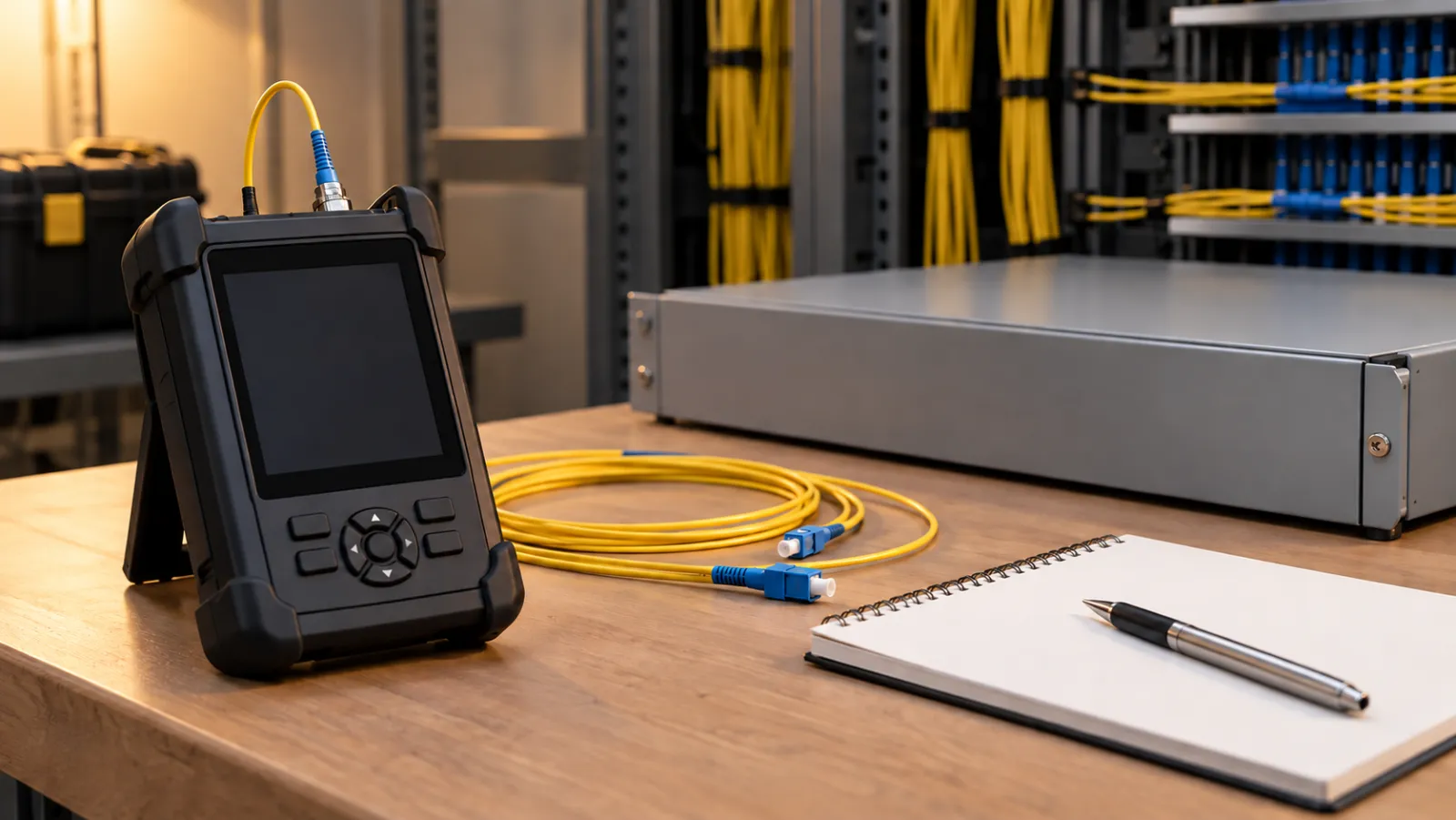
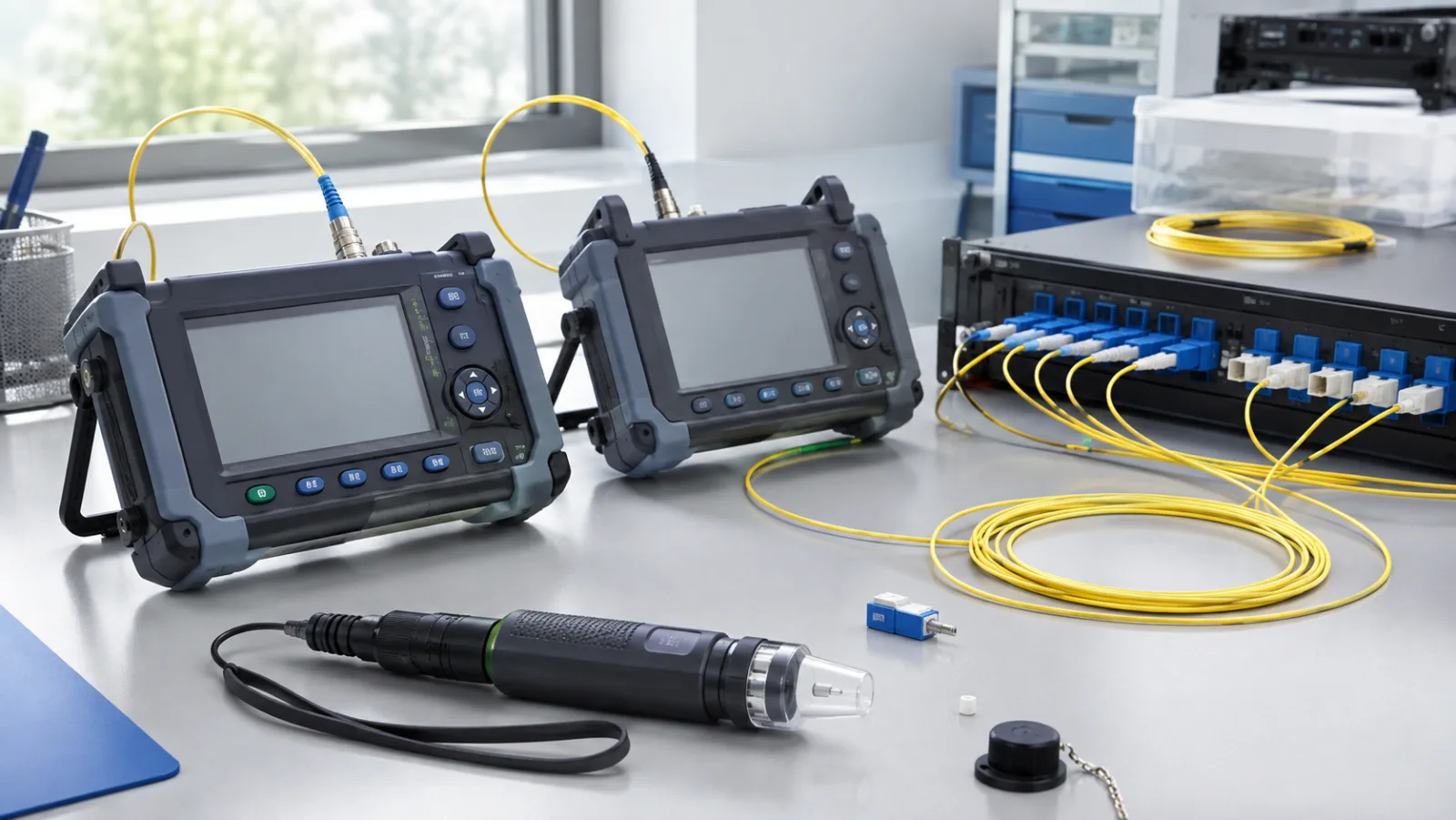
When a cable is cut, the network monitoring system detects a loss of signal. To locate the break, technicians use an Optical Time-Domain Reflectometer (OTDR). The OTDR sends a light pulse down the fiber and measures the backscattered light. The time delay between the pulse and the reflection indicates the distance to the break. This allows repair crews to be dispatched to the exact location, often without having to visually inspect the entire route.
OTDR Testing: A Critical Tool
OTDR testing is not only used for fault location; it is also essential during installation and maintenance. A pre-installation OTDR trace provides a baseline of the fiber’s health. After a repair, OTDR testing verifies that the splice loss is within acceptable limits. For network operators, having accurate OTDR records of all fiber spans is crucial for rapid troubleshooting.
Repair Strategies
Repairing a fiber cut involves splicing the broken fibers together. Fusion splicing is the preferred method because it provides low insertion loss and high mechanical strength. However, if the cable is damaged over a long section, the damaged portion may need to be replaced entirely. This can take hours or even days, depending on the location and accessibility.
Engineering Solutions to Minimize Outage Impact
While it is impossible to prevent all fiber cuts, careful engineering can significantly reduce the impact. Here are key strategies.
Route Diversity and Redundancy
Designing networks with diverse physical routes ensures that if one cable is cut, traffic can be rerouted through another path. The routes should be geographically separated so that a single event (like a construction project) does not affect both. For critical connections, multiple redundant links are common.
Underground vs. Aerial Installation
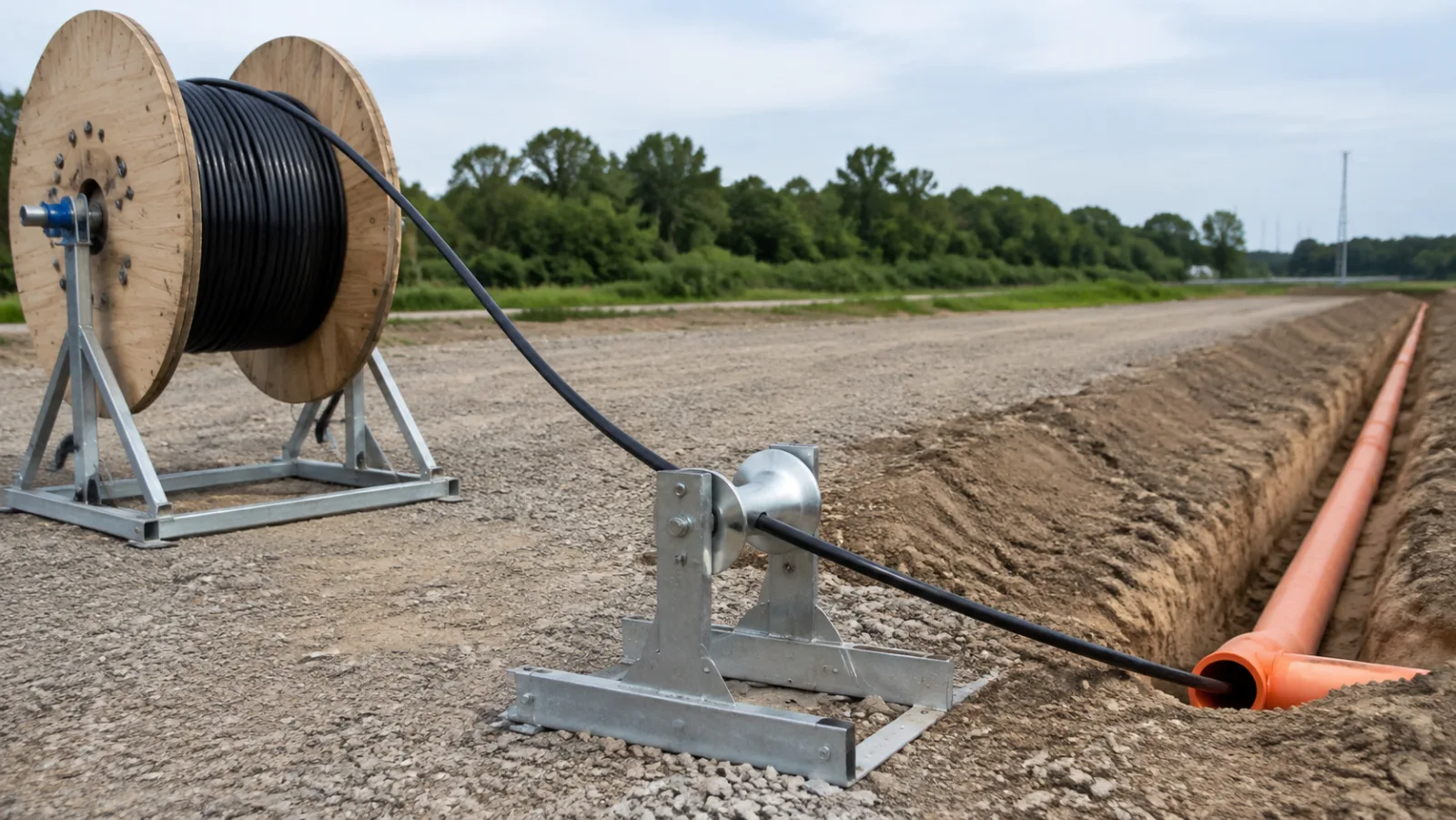
Choosing the right installation method can also reduce risk. Underground cables are less exposed to weather and animals but are vulnerable to excavation. Aerial cables are easier to access for repair but can be damaged by falling trees or vehicles. Some networks use a mix of both.
Monitoring and Alarm Systems
Modern network monitoring systems can detect a fiber cut within milliseconds and automatically trigger rerouting. These systems often use optical time-domain reflectometry to continuously monitor the fiber health, providing real-time alerts.
Cable Selection: Choosing the Right Fiber Optic Cable
The type of fiber optic cable used can influence the frequency and severity of outages. For outdoor installations, cables must be designed to withstand environmental stresses.
Loose Tube vs. Tight Buffered
Loose tube cables are ideal for outdoor use because they protect fibers from moisture and mechanical stress. Tight buffered cables are better suited for indoor use. Selecting the correct cable construction is a fundamental decision.
Armored Cables
For areas with high animal activity or where cables are buried shallowly, armored cables provide extra protection. The armor can be made of steel or aluminum and prevents rodent bites and accidental cuts.
Fiber Type: Single-Mode vs. Multimode
For long-distance backbone links, single-mode fiber is standard because it supports higher bandwidth and longer distances. Multimode fiber is typically used for shorter runs within buildings. The choice affects the overall network design.
Standards and Best Practices for Fiber Reliability
International standards provide guidelines for cable construction, testing, and installation. Adhering to these standards is essential for ensuring reliability.
ITU-T Recommendations
The International Telecommunication Union (ITU) publishes recommendations such as G.652 for single-mode fiber and L-series for cable construction. These documents specify performance criteria and test methods.
IEC Standards
The International Electrotechnical Commission (IEC) also publishes standards like IEC 60794 for optical fiber cables. These standards define mechanical and environmental tests that cables must pass.
Practical Consequences
Buying cables that comply with these standards ensures that they have been tested for tensile strength, crush resistance, and temperature cycling. This reduces the risk of premature failure in the field.
Cost of Outages vs. Investment in Redundancy
The cost of a network outage can be enormous—lost revenue, productivity, and customer trust. In contrast, the cost of adding redundancy is relatively small compared to the potential losses. Network operators should conduct a risk assessment to determine the appropriate level of redundancy for each link.
For engineers and buyers, this Wyoming incident underscores the importance of selecting high-quality fiber optic cables and implementing robust network designs. When upgrading or expanding a network, consider using fiber optic products wholesale to source reliable cables and components.
In addition, having proper documentation and testing equipment is vital. For example, an OTDR is an essential tool for any fiber maintenance team. When building a network, consider investing in fiber optic tools to ensure you can maintain and troubleshoot your network effectively.
Conclusion
Fiber cuts are inevitable, but their impact can be mitigated through thoughtful engineering. By understanding the causes, implementing redundancy, and selecting robust cables, network operators can ensure that a single fiber cut does not bring down an entire region. The Wyoming outage serves as a reminder that we must always plan for the unexpected.
For more information on fiber optic cable types and selection, see our fiber optic cable page. We also offer a range of patch cords and other components to support your network.
Frequently Asked Questions
What are the most common causes of fiber optic outages?
The most common causes are accidental cuts during excavation (often called 'backhoe fade'), natural disasters like floods or landslides, animal gnawing, and vandalism. The specific cause can vary by location and installation method.
How do network operators detect a fiber cut?
Network monitoring systems detect a loss of signal. To locate the break, technicians use an OTDR (Optical Time-Domain Reflectometer) that sends a light pulse and measures the reflection to determine the distance to the fault.
What is route diversity and why is it important?
Route diversity means having multiple physical paths for network traffic. If one path is damaged, traffic can be rerouted through another. It is crucial for high availability because it eliminates single points of failure.
How can I reduce the risk of fiber cuts in my network?
Use armored cables in high-risk areas, bury cables deeply or use conduit, and choose routes away from construction zones. Regular monitoring and maintenance also help identify potential issues before they cause outages.
What is the difference between single-mode and multimode fiber for outdoor backbones?
Single-mode fiber is preferred for outdoor backbones because it supports longer distances and higher bandwidth. Multimode fiber is typically used for shorter indoor runs. The choice depends on the required distance and data rate.
Related: What an 18-Mile Metro Fiber Link Teaches Engineers and Buyers