
Fiber Optic News
Daily fiber optic news, engineering analysis, deployment trends, and practical insights covering broadband, optical networks, components, and emerging applications.

Fiber Optic News Page 5
Daily fiber optic news, engineering analysis, deployment trends, and practical insights covering broadband, optical networks, components, and emerging applications.
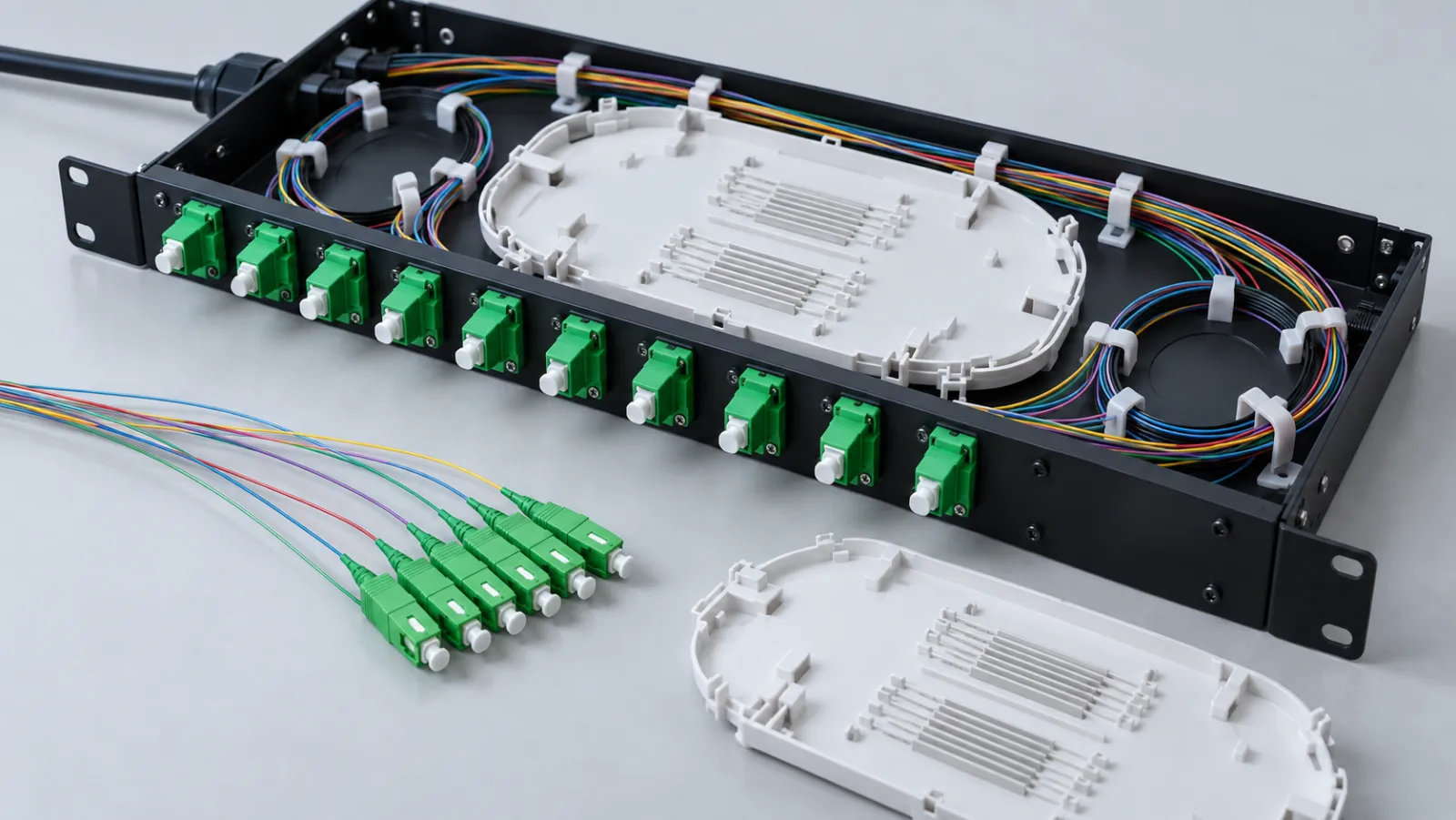
250 vs 900 Micron Fiber Pigtails: Panel Selection Guide
Select 250 or 900 micron fiber pigtails by checking buffer construction, protected routing, preparation tools and the actual panel length schedule.

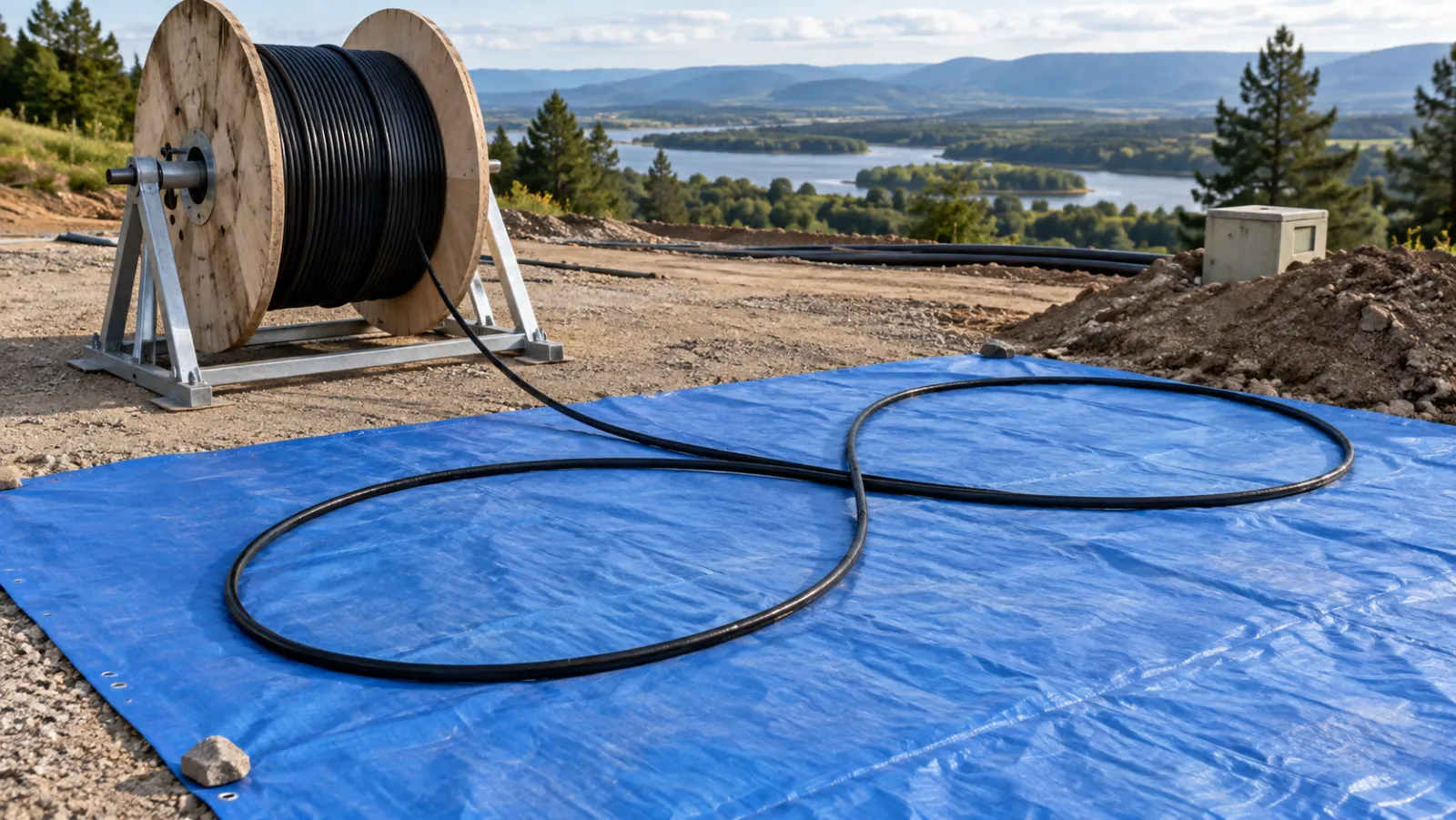
Figure-Eight Fiber Cable Handling: A Site Planning Guide
Plan figure-eight fiber cable handling with a clear payout sequence, cable-specific bend limits, a protected work area and documented stop conditions.
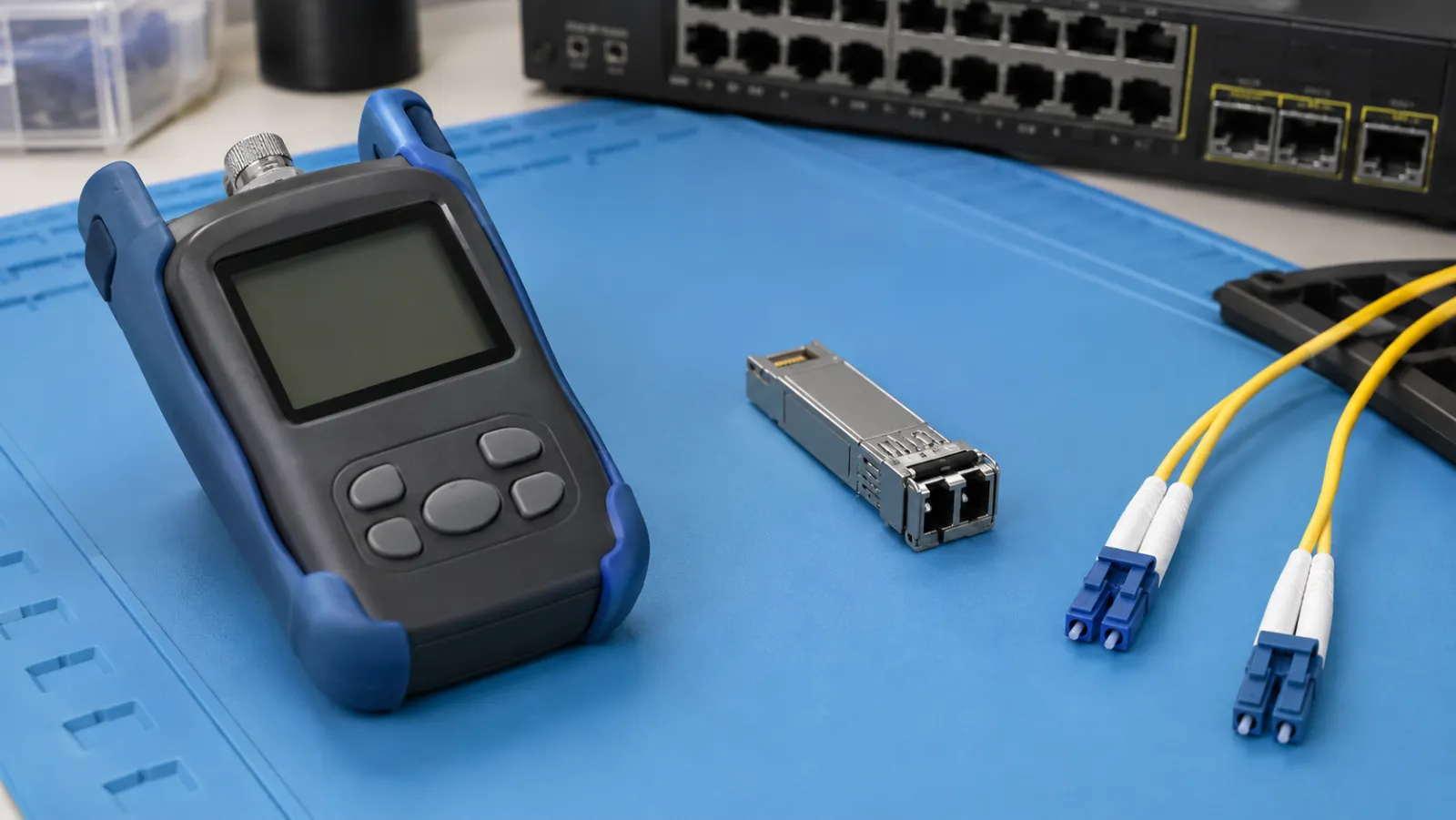
DOM vs Optical Power Meter: Resolve Reading Differences
Compare DOM and optical power meter readings at the same optical boundary, checking units, wavelength, operating state and measurement uncertainty.
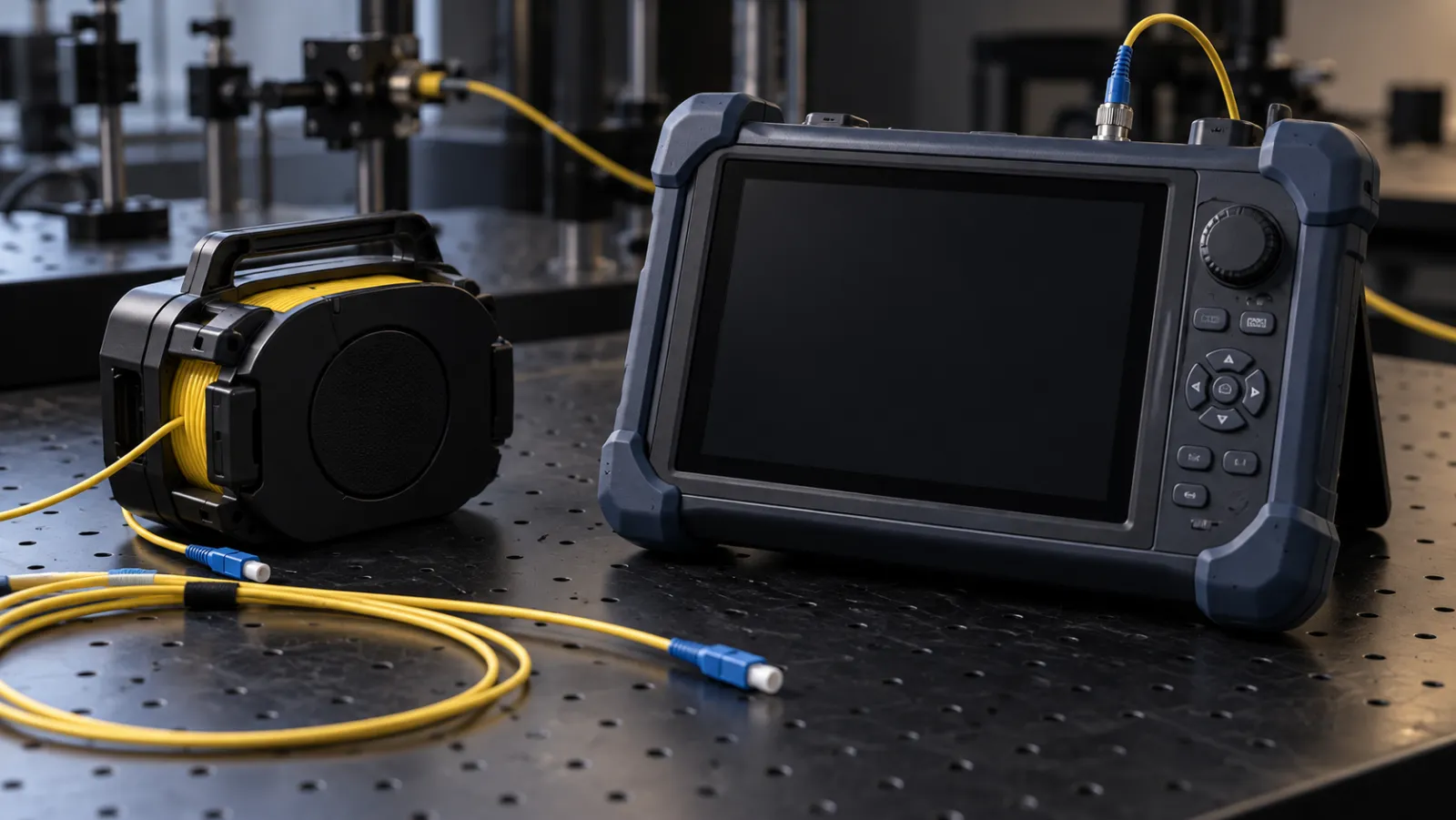
OTDR Averaging Time: A Noisy-Trace Acquisition Guide
Choose OTDR averaging time with controlled trace comparisons, clear stop rules and a workload calculation covering every fiber and test direction.
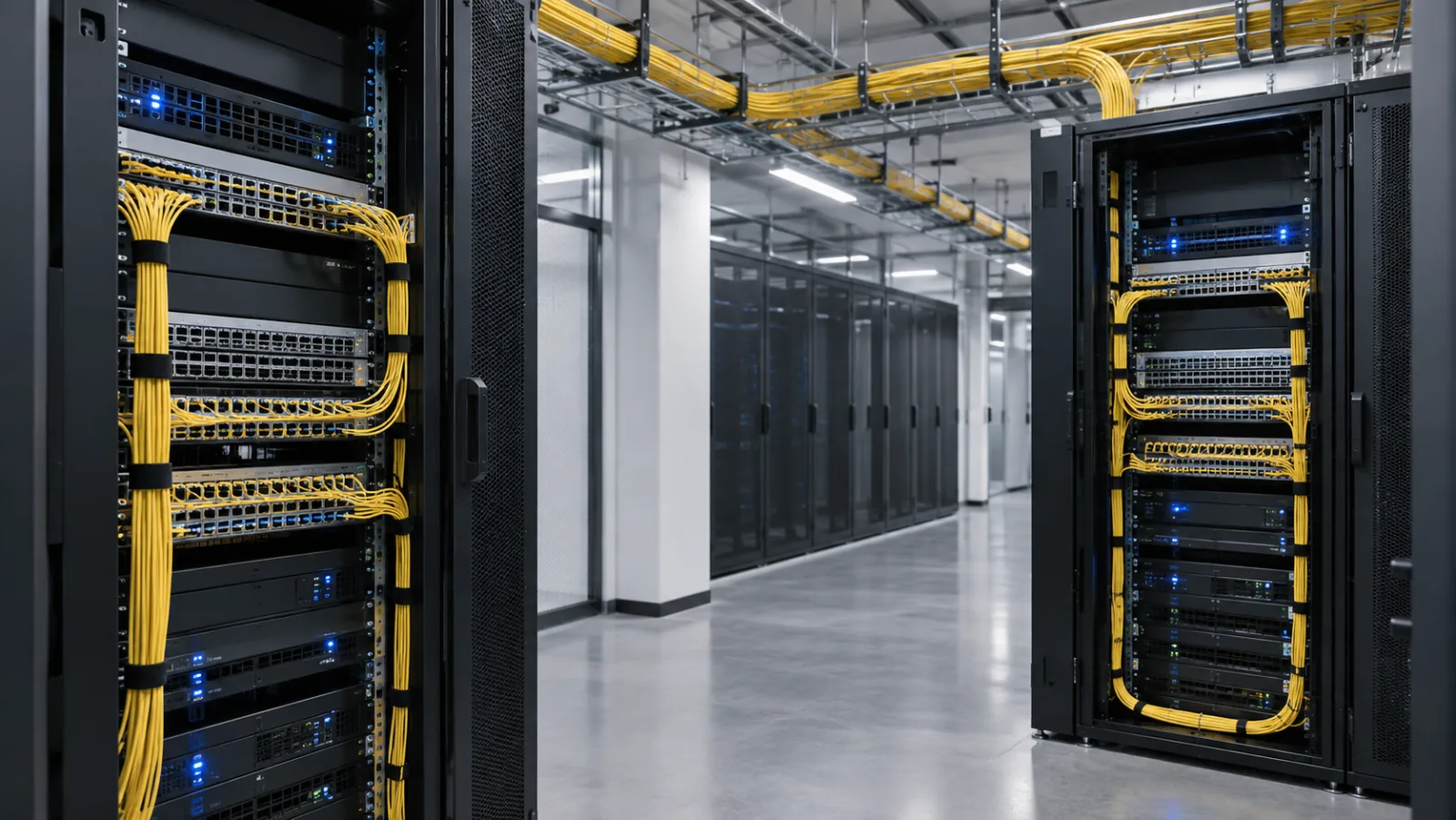
Fiber Latency per Kilometer: A Route Budget Worksheet
Calculate fiber propagation delay from route length and group index, then add equipment delay and check primary and backup path latency.
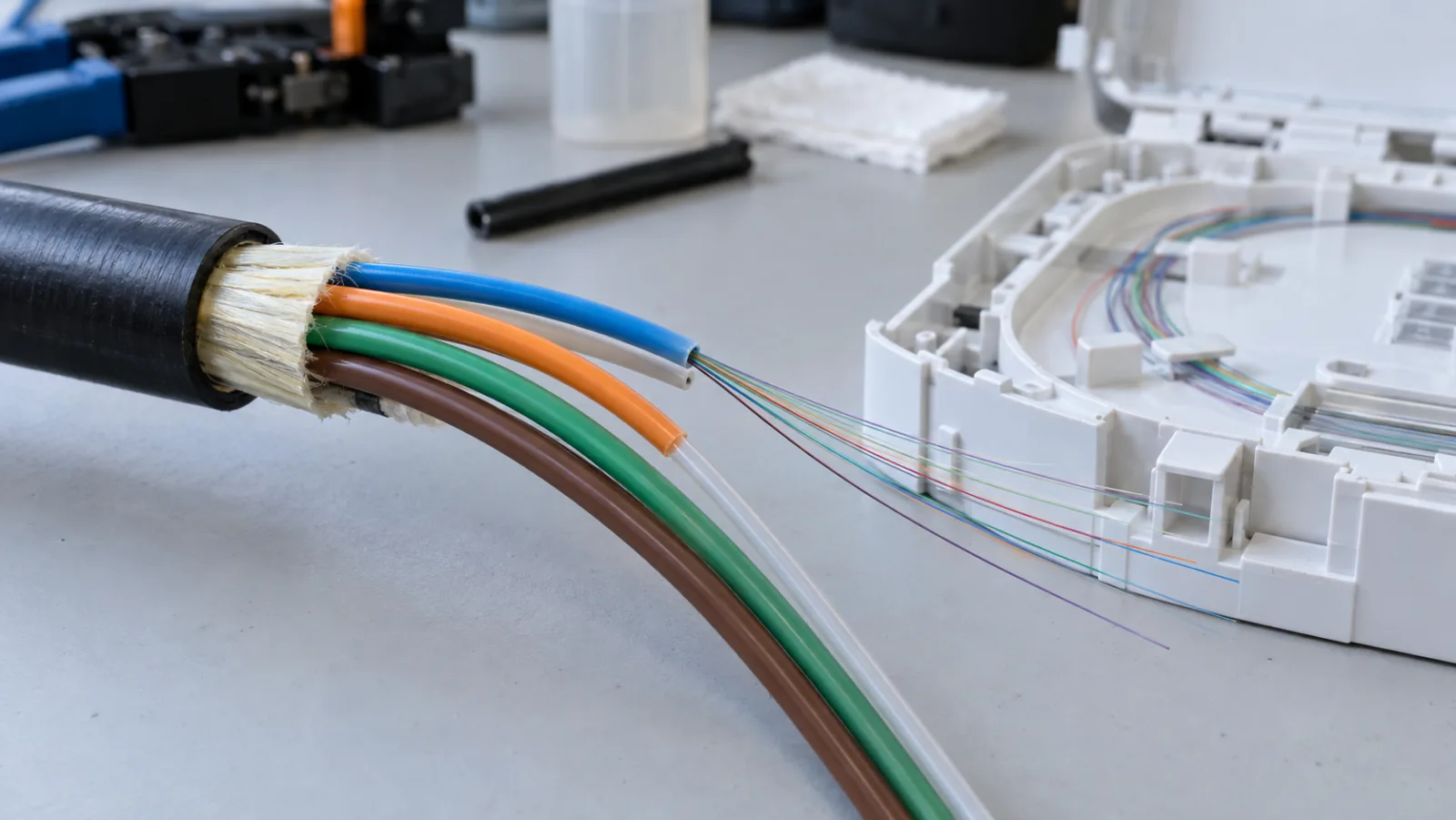
144 Fiber Cable Color Code: Tube and Fiber Numbering
Map tube colors to global fiber numbers in a 144-fiber cable using a twelve-by-twelve worksheet, boundary checks and an explicit splice schedule.
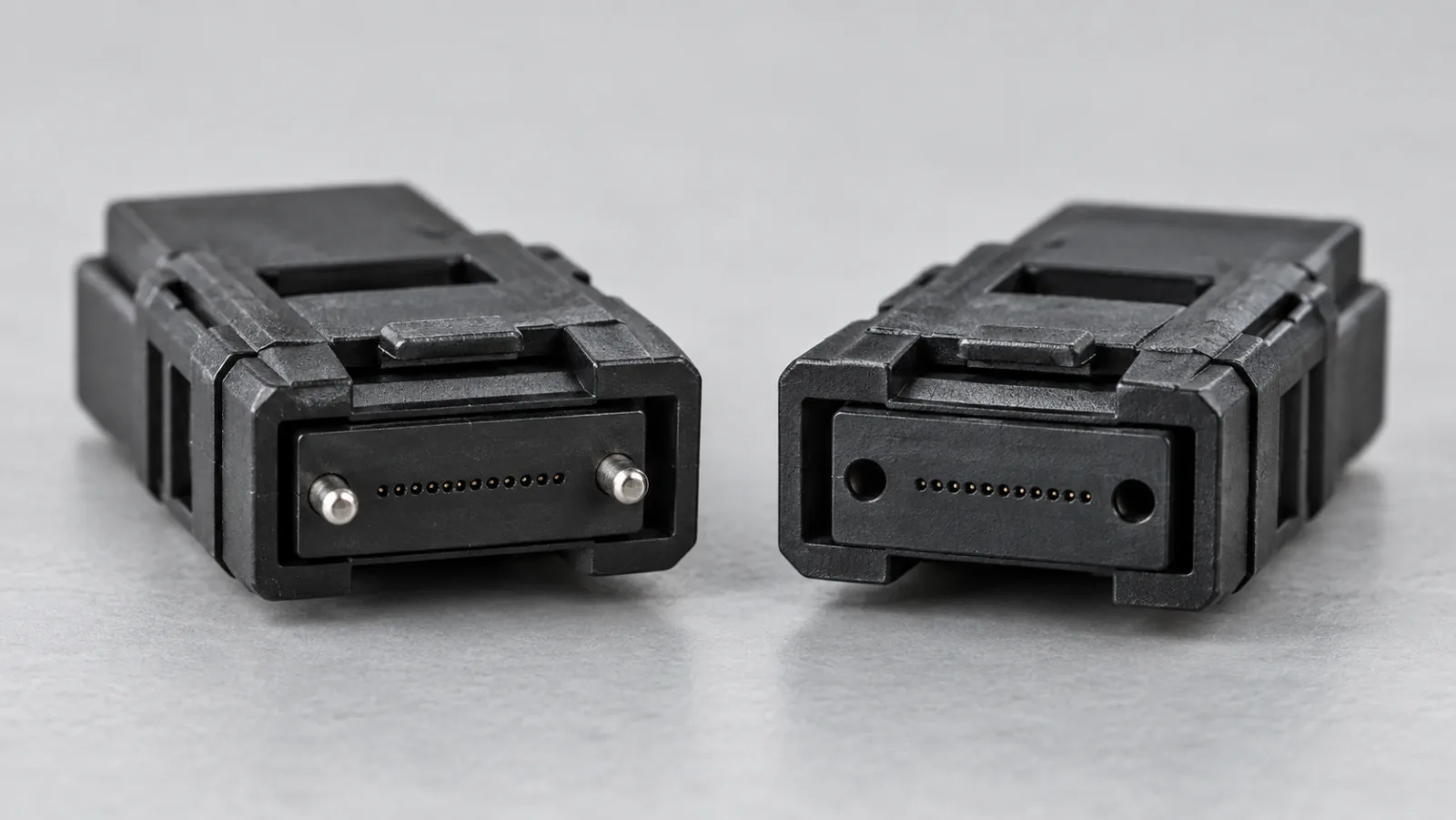
MPO Male vs Female: Connector Compatibility Checklist
Verify MPO male and female connector compatibility with a junction matrix covering pins, ferrule type, polish and separate polarity checks.
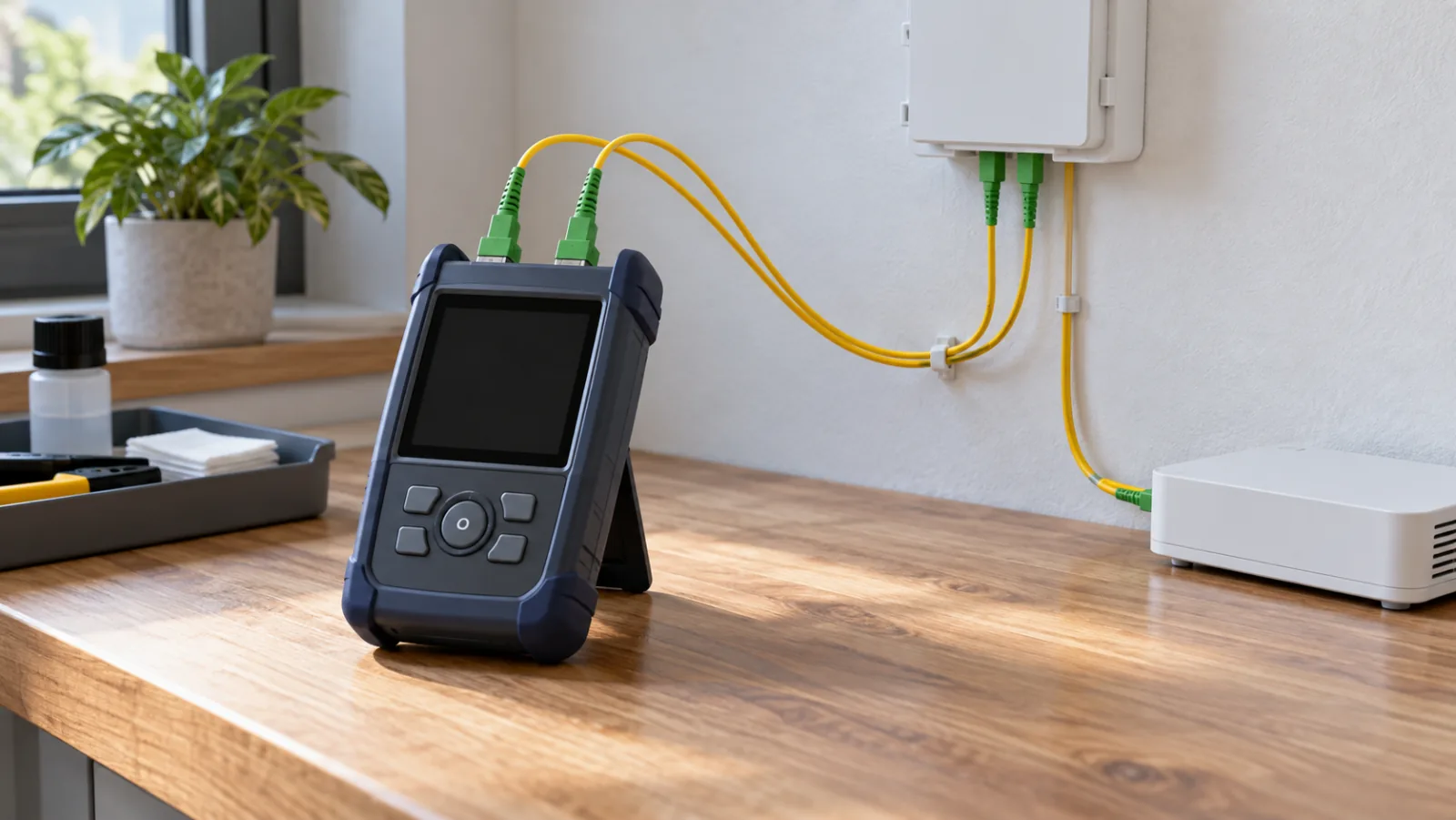
GPON and XGS-PON Power Testing: Coexistence Checklist
Check GPON and XGS-PON power separately with wavelength filtering, upstream burst capture and a clear reference plane for each reading.
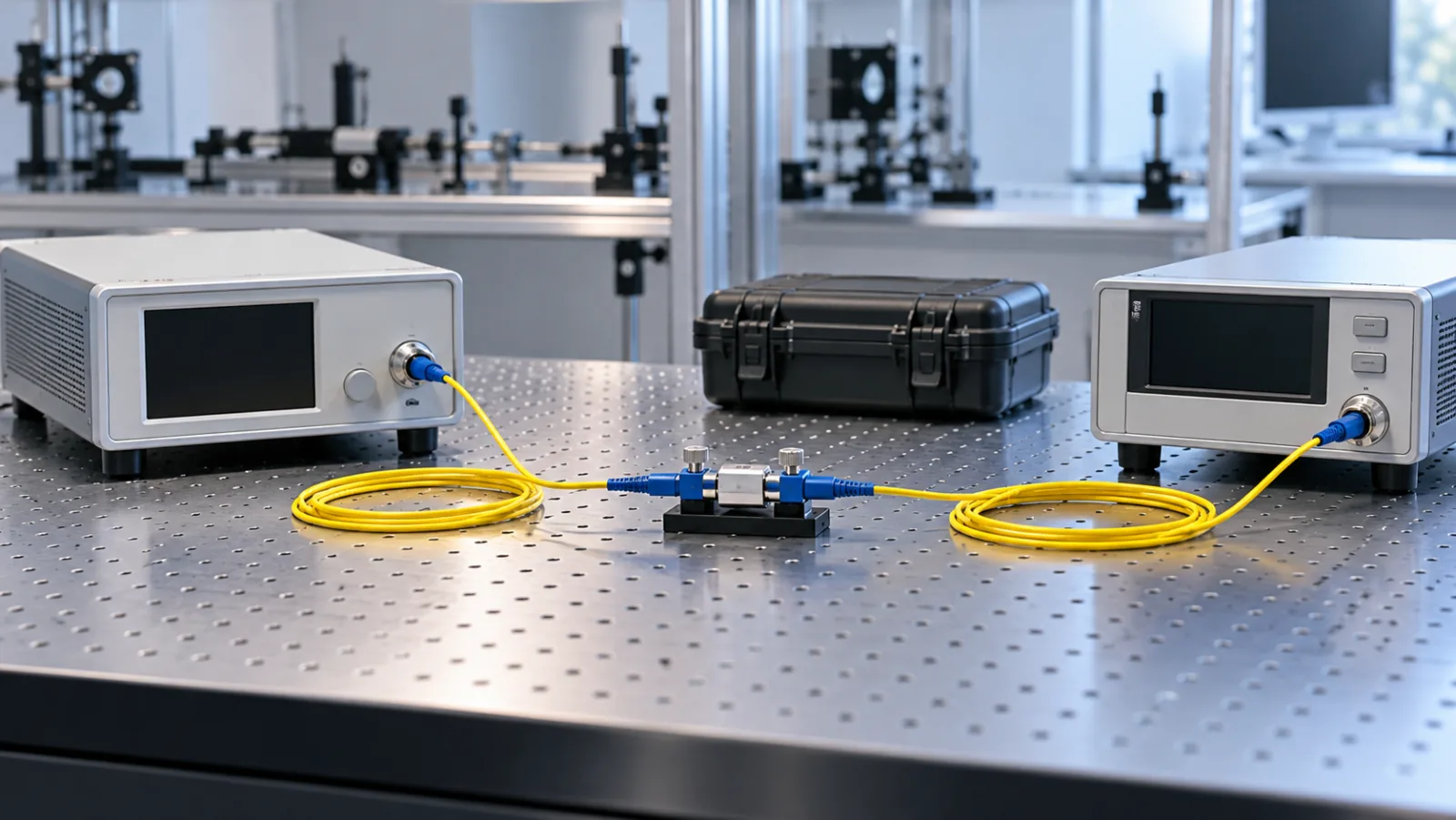
Fiber Loss Measurement Uncertainty: Acceptance Guide
Build a fiber loss measurement uncertainty budget covering source stability, meter linearity, reference cords and a defensible pass rule.
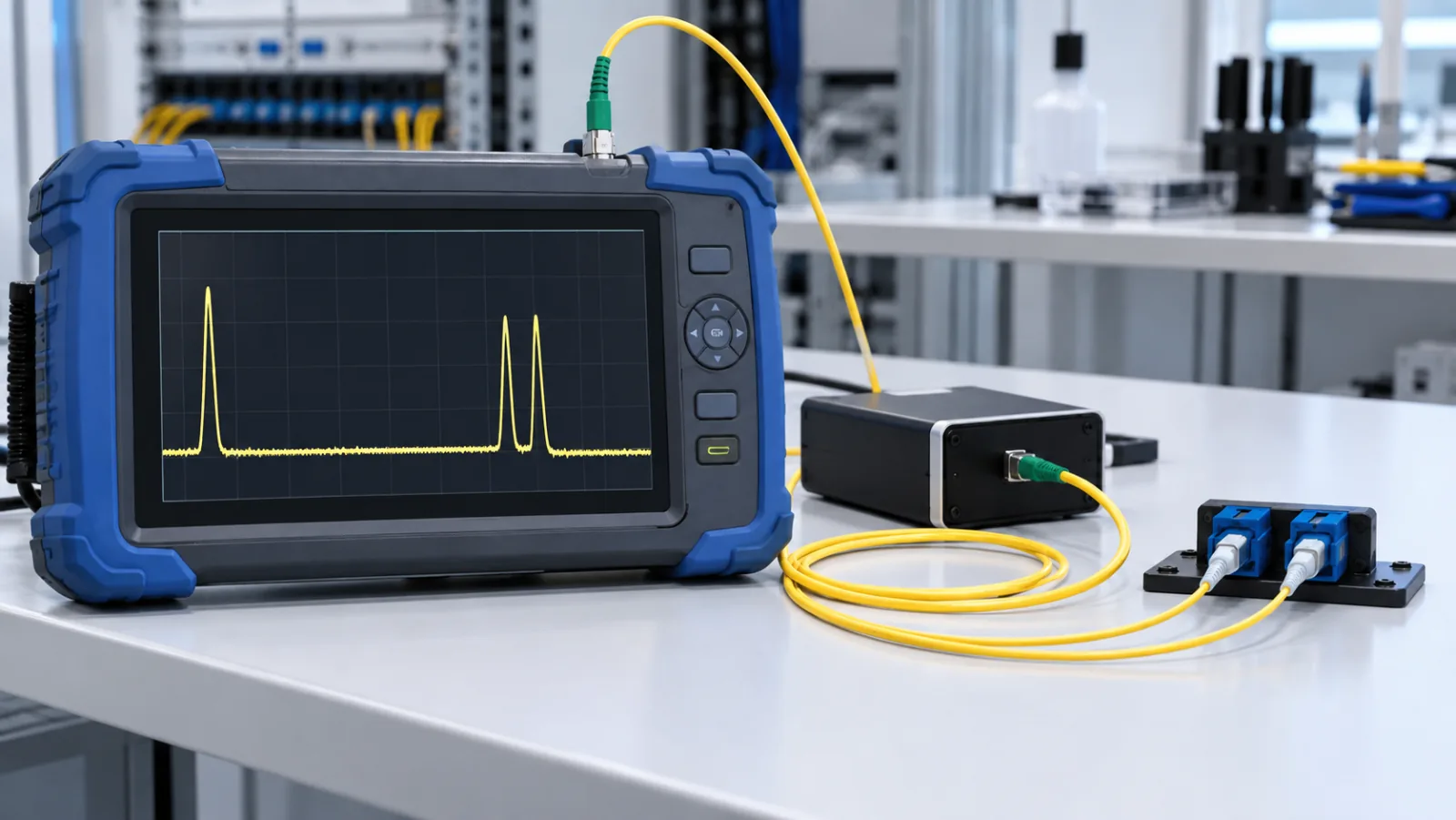
OTDR Event vs Attenuation Dead Zone: Selection Guide
Compare OTDR event and attenuation dead zones, calculate required spacing and specify pulse, reflectance and launch-fiber conditions.